

Article Summary: Choosing the right knife sheath involves more than appearance. Users need a reliable way to protect the blade, maintain secure retention, carry a knife comfortably, and keep equipment ready for changing environments. A Kydex Knife Sheath is worth considering because this thermoplastic material can be molded into a rigid, close-fitting design that resists moisture and is relatively easy to maintain. However, the final result depends on the sheath's construction, fit, hardware, mounting system, and intended application. This guide explains the practical benefits of Kydex, compares it with common alternatives, identifies important purchasing criteria, and provides maintenance recommendations to help buyers make an informed decision.
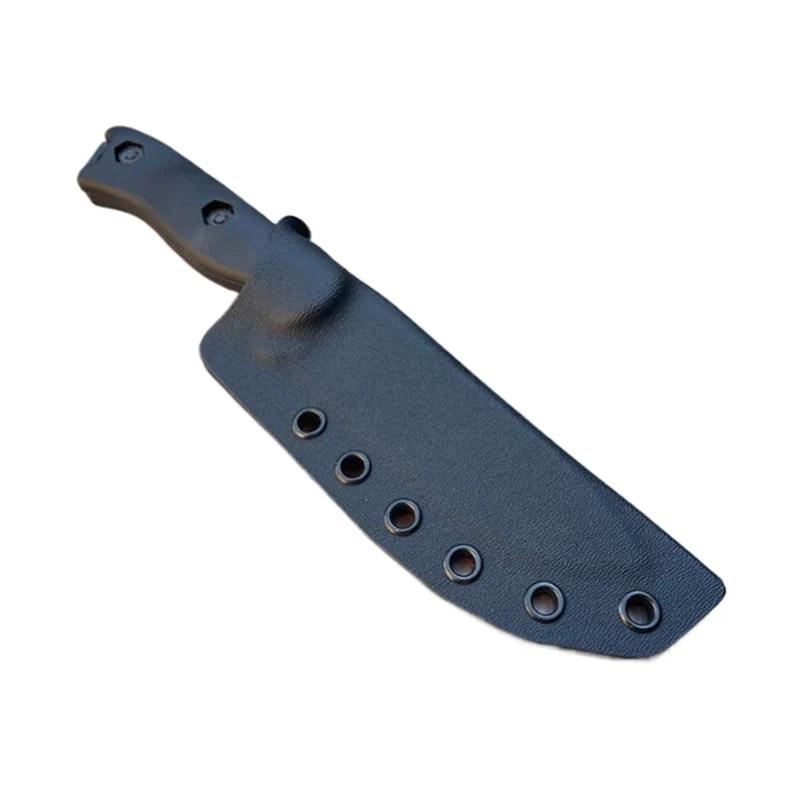
1. What Is a Kydex Knife Sheath?
A Kydex Knife Sheath is a protective knife holder made from Kydex, a family of thermoplastic sheet materials commonly used in formed protective products. The material is heated and shaped to create a shell that follows the outline of a particular knife or blade profile. Once formed and finished, the shell can provide a rigid structure around the blade and support a range of carrying and mounting arrangements.
Unlike a soft fabric pouch, a molded thermoplastic sheath can be designed around the dimensions of a specific knife. Its edges, contours, opening, and retention areas influence how the knife enters and exits the sheath. Fasteners, eyelets, belt attachments, clips, or other mounting hardware may be incorporated according to the product design.
Not every Kydex sheath is identical. Sheet thickness, forming accuracy, edge finishing, hardware quality, and compatibility with the intended knife can vary significantly between products. Buyers should therefore evaluate the complete sheath rather than assume that the material alone guarantees performance.
Key components of a typical design
- Molded shell: Forms the protective outer structure around the intended blade profile.
- Retention area: Helps hold the knife in place through a fit designed for the specific knife.
- Finished edges: Reduce unwanted sharp edges and improve handling comfort.
- Mounting hardware: Connects the sheath to an approved belt, attachment, or carrying platform.
- Drainage or ventilation features: May be included where the design and application require them.
The most suitable configuration depends on the knife's dimensions, the environment in which it will be carried, and the user's expectations for comfort, retention, and maintenance.
2. Why Choose Kydex for a Knife Sheath?
Knife users often face several practical concerns: moisture exposure, dirt accumulation, sheath wear, inconsistent retention, and difficulty maintaining equipment in the field. A properly designed Kydex sheath can address many of these concerns, although its actual performance depends on construction and use.
Moisture resistance and easy cleaning
Kydex is a non-absorbent thermoplastic material, making it useful in situations where rain, splashes, or damp outdoor conditions are expected. Unlike untreated natural materials, it does not absorb water in the same way as leather or fabric. This can simplify routine cleaning and reduce drying time.
Nevertheless, moisture can remain trapped between a knife and its sheath. Dirt, salt, and water may also accumulate inside the shell. Users should remove debris and dry the knife before storage, especially when the blade is made from a steel grade susceptible to corrosion.
Rigid protection for the blade
A molded shell provides a stable barrier between the blade and surrounding objects. When the dimensions and opening are correctly designed, the sheath can help prevent accidental contact with the cutting edge during normal handling. A rigid structure may also retain its general shape better than a soft pouch.
A sheath is not a substitute for safe handling. Users should inspect the product regularly and ensure that the blade is fully seated before carrying it.
Consistent, design-dependent retention
One of the main reasons buyers consider Kydex is the ability to shape the material around specific contours of a knife. A well-made sheath can provide a repeatable fit without relying entirely on a leather strap or fabric closure. However, retention varies with the knife geometry, molding precision, material thickness, and construction details.
Low-maintenance construction
Routine care generally requires little more than removing dirt, washing the sheath with a suitable mild cleaner, rinsing it, and allowing it to dry. There is normally no need for leather conditioning or specialized fabric treatment. Avoid aggressive solvents, excessive heat, and abrasive cleaning methods unless the manufacturer specifically approves them.
Flexible styling and mounting options
Kydex can be produced in different colors, textures, and formed profiles. Depending on the design, buyers may be able to specify mounting orientation, attachment hardware, and certain dimensional features. These options make it useful for a range of outdoor, work, collection, and general utility applications.
3. Kydex vs. Leather and Nylon
Different sheath materials serve different needs. The right choice depends on the operating environment, maintenance expectations, appearance, flexibility, and the level of protection required.
| Feature | Kydex | Leather | Nylon |
|---|---|---|---|
| Structure | Rigid, molded shell | Flexible to semi-rigid, depending on construction | Generally soft and flexible |
| Moisture behavior | Non-absorbent material | Can absorb moisture without suitable treatment | Fabric may retain moisture and dirt |
| Routine cleaning | Generally straightforward | May require material-specific care | Depends on fabric and lining |
| Retention | Can be molded around the knife profile | May use fitted construction or straps | Often depends on pockets, closures, or straps |
| Comfort | Rigid; depends on shape and mounting | May conform gradually through use | Often flexible and lightweight |
| Appearance | Technical and modern | Traditional and natural | Practical and utilitarian |
| Key consideration | Fit, edge finishing, and retention | Moisture management and conditioning | Fabric durability and closure security |
Kydex is a strong candidate when a rigid, easy-to-clean shell is preferred. Leather may appeal to users who value traditional appearance and a softer feel, while nylon can be useful when flexibility and a fabric-based design are priorities.
There is no universally superior material. Compare the complete products, including hardware, workmanship, compatibility, and intended use, before making a purchase.
4. Applications and Everyday Carry Considerations
Kydex sheaths are used in different settings where a rigid molded holder may be practical. Suitability depends on the exact product, knife type, local regulations, and conditions of use.
Outdoor recreation and camping
Outdoor users may encounter rain, mud, dust, and changing temperatures. A washable sheath can be convenient after a day on a trail or at a campsite. Drainage, debris removal, and adequate drying remain important when the knife is exposed to wet or dirty conditions.
Hunting and field work
Field environments can expose equipment to organic residue, moisture, and abrasive particles. A smooth, accessible shell may simplify cleaning, but users should check that the sheath is appropriate for the knife and that its retention remains dependable after repeated cleaning and use.
Workshop and general utility tasks
People who use knives for routine work may value a sheath that is easy to inspect and maintain. The attachment system should be suitable for the work environment and should not interfere with movement, tools, machinery, or protective equipment.
Collection and equipment organization
For collectors and equipment buyers, molded sheaths can provide a consistent appearance and a defined storage format. Confirm that the product is designed for the exact knife model, particularly when blade shapes, handle contours, or accessory configurations differ.
5. How to Choose the Right Kydex Knife Sheath
A sheath that looks suitable may still be inconvenient or unsafe if its dimensions, retention, or attachment system do not match the intended use. Before ordering, evaluate the following factors.
Confirm exact knife compatibility
Start with the knife model and its verified dimensions. Blade length alone is not enough: blade width, thickness, point profile, handle shape, and any integrated features can affect fit. If the sheath is not designed for the exact model, request confirmation from the supplier.
Evaluate material thickness and construction
Sheet thickness affects stiffness, weight, forming behavior, and the overall profile. A thicker shell is not automatically better for every application, and material thickness should be assessed alongside the sheath geometry, forming quality, and expected loads.
Review edge finishing and workmanship
Inspect whether the edges are smooth and even, the opening is cleanly finished, and the hardware is installed consistently. Rough edges may cause discomfort or wear on clothing. Poorly finished openings can also make insertion and removal less predictable.
Choose a suitable mounting system
Mounting options may include belt loops, clips, eyelets, or compatible modular attachments. Confirm dimensions, attachment compatibility, orientation, and clearance before ordering. The attachment should remain secure during intended movement without obstructing access or creating unnecessary pressure points.
Consider the operating environment
For humid, dusty, or wet environments, examine how easily the sheath can be cleaned and dried. For extended carry, consider overall bulk, edge comfort, mounting stability, and compatibility with clothing or protective equipment.
Ask about customization and quality checks
For bulk or OEM purchases, confirm which options are available for colors, dimensions, logos, mounting patterns, and packaging. Ask the supplier about dimensional inspection, retention checks, material identification, and production consistency where these are important to the order.
6. Fit, Retention, and Carry Comfort
Fit and retention are among the most important factors in a Kydex Knife Sheath. A sheath that is too loose may allow unwanted movement, while an excessively tight or poorly formed sheath may make removal difficult or encourage users to apply unsafe force.
What good fit should achieve
- The sheath is designed for the specified knife model or verified dimensions.
- The knife seats as intended without forcing the blade against an unsuitable area of the shell.
- The retention mechanism behaves consistently under the manufacturer's recommended checks.
- The opening and finished edges do not interfere with normal, careful insertion and removal.
- The mounting system remains stable during the intended carrying activity.
Comfort depends on the whole system
Carry comfort is affected by more than the shell itself. Attachment height, angle, belt width, clothing, body movement, and the sheath's overall dimensions all influence the experience. A compact sheath may still create pressure if its edges or mounting hardware contact the body at an awkward angle.
Before routine use, inspect the sheath and attachment in a safe environment. Check for movement, loose hardware, damaged edges, or inconsistent retention. Never rely on an improvised modification without understanding how it may affect structural integrity.
7. Cleaning and Maintenance for Long-Term Use
Kydex is generally easy to maintain, but regular inspection is still necessary. Sand, grit, and other particles can become trapped between the blade and the sheath, potentially scratching the blade or affecting the fit.
Recommended routine care
- Remove the knife safely. Handle the blade carefully and place it in a secure location before cleaning the sheath.
- Remove loose debris. Shake out loose particles and inspect the interior under good lighting.
- Clean with suitable products. Use mild soap and water when appropriate for the specific material and hardware.
- Rinse and dry thoroughly. Remove cleaning residue and allow the sheath to dry before use.
- Inspect the hardware. Check for looseness, corrosion, cracks, deformation, and damaged attachment points.
- Check the knife separately. Clean and dry the blade according to its material and the knife manufacturer's instructions.
Avoid leaving a wet or contaminated knife in the sheath for extended periods. Do not expose the sheath to direct flame, uncontrolled heating, or aggressive chemicals. Heat can deform thermoplastic materials, while incompatible solvents may damage the material or hardware.
If the shell cracks, loses its intended shape, or no longer retains the knife reliably, discontinue use until the product has been inspected and repaired or replaced appropriately.
8. Common Purchasing Mistakes to Avoid
Buyers can reduce returns, fit problems, and unnecessary expenses by checking several details before confirming an order.
Buying based only on blade length
Two knives with similar blade lengths can have different profiles and handle shapes. Confirm the model or complete dimensions rather than relying on a single measurement.
Assuming every Kydex sheath has identical retention
Retention depends on the forming process, knife geometry, and product design. Request model-specific information and follow the supplier's recommended inspection procedure.
Ignoring mounting compatibility
A sheath may fit the knife but fail to suit the user's belt, attachment platform, or carrying requirements. Confirm the mounting interface before purchasing.
Choosing the lowest price without reviewing quality
Price should be considered alongside fit accuracy, edge finishing, hardware, material specifications, and production consistency. A low purchase price may not represent good value if the product requires frequent replacement.
Overlooking local rules and intended use
Product suitability also depends on where and how the knife will be carried. Check relevant legal requirements, workplace restrictions, and manufacturer guidance before making a decision.
9. What Buyers Should Confirm with Suppliers
For distributors, importers, outdoor equipment brands, and other B2B buyers, clear product specifications help suppliers quote accurately and maintain consistent orders.
| Purchasing Factor | Information to Confirm |
|---|---|
| Product compatibility | Knife model, dimensions, intended fit, and applicable design limitations |
| Material specification | Material identification, sheet thickness, color, and finish |
| Construction details | Edge finishing, formed profile, hardware, and mounting arrangement |
| Quality requirements | Dimensional checks, workmanship criteria, and agreed inspection procedures |
| Customization | Available logo, color, packaging, and design options |
| Order details | Quantity, sample requirements, lead time, shipping destination, and packaging |
| Documentation | Product specifications, care instructions, and any required compliance documents |
When discussing an OEM or bulk order, request a sample or approve a production drawing before committing to a large quantity when practical. Agree on inspection criteria in advance so that both parties understand the required fit, appearance, and workmanship.
Shenzhen Wetac Technology Co., Ltd. can be included in your supplier evaluation and product inquiry process. Buyers should communicate their actual product requirements and confirm the company's current capabilities, available specifications, and order terms directly before placing an order.
10. Frequently Asked Questions
Q1. Why is Kydex commonly used for knife sheaths?
Kydex is a rigid, formable thermoplastic that can be shaped around a specific knife profile. It is also non-absorbent and generally easy to clean, making it useful for applications where a molded protective shell is preferred.
Q2. Is a Kydex Knife Sheath waterproof?
Kydex itself does not absorb water like many natural or textile materials. However, the complete sheath assembly is not necessarily waterproof, and water can collect inside it. Remove moisture and debris and dry the knife before storage.
Q3. How do I know whether a Kydex sheath will fit my knife?
Check the exact knife model and compare its blade, handle, and overall dimensions with the supplier's compatibility information. If the model is not listed, provide measurements or a technical drawing and request confirmation.
Q4. Does a Kydex sheath require special maintenance?
Routine care is usually simple. Remove dirt and debris, clean with a suitable mild cleaner, rinse when appropriate, and dry thoroughly. Inspect the shell and hardware regularly, and avoid excessive heat or incompatible chemicals.
Q5. Is Kydex better than leather?
Neither material is best for every user. Kydex offers a rigid molded structure and straightforward cleaning, while leather provides a traditional appearance and a different feel. The right choice depends on environment, comfort, maintenance, and personal requirements.
Q6. Can a Kydex Knife Sheath be customized?
Customization may include color, formed profile, mounting features, and branding, depending on the supplier and design. Confirm minimum order quantities, available options, sample policies, and technical limitations before ordering.
Q7. What should B2B buyers check before placing a bulk order?
Confirm material specifications, dimensions, knife compatibility, hardware, finish, quality inspection requirements, customization options, packaging, delivery schedule, and any required documentation. Reviewing a sample can help establish acceptable quality standards.
Q8. How long does a Kydex Knife Sheath last?
Service life depends on material quality, manufacturing accuracy, frequency of use, environmental exposure, and handling. Regularly inspect the shell, mounting points, and retention. Replace or professionally assess a damaged sheath that no longer functions reliably.
Q9. Can a Kydex sheath scratch a knife blade?
Embedded grit or abrasive particles can scratch a blade during insertion and removal. Keep the sheath interior clean, inspect it regularly, and ensure the sheath is designed for the specific knife.
Q10. How can I inquire about Kydex Knife Sheath products from Shenzhen Wetac Technology Co., Ltd.?
Prepare your intended application, knife dimensions, material preferences, required quantity, customization needs, and delivery expectations. Contact Shenzhen Wetac Technology Co., Ltd. directly to verify product availability, current manufacturing capabilities, and quotation details.
Looking for a Reliable Kydex Knife Sheath Supplier?
Choosing the right Kydex Knife Sheath can help improve blade protection, simplify cleaning, and provide a practical carrying solution for the intended application. For B2B buyers, careful attention to dimensions, materials, workmanship, mounting compatibility, and quality requirements is essential for consistent purchasing results.
Shenzhen Wetac Technology Co., Ltd. welcomes product inquiries from buyers seeking information about specifications, customization possibilities, and order requirements. Share your project details, target quantity, and technical expectations to help clarify the most suitable next steps.
Ready to discuss your requirements? Please contact us to request further product information, discuss your purchasing needs, and confirm the available options for your Kydex Knife Sheath project.