

Why Choose Disposable Baby Diapers?
2026-01-08
Abstract: Choosing the right baby diaper is one of the earliest and most important decisions for new parents. This article explores the benefits and considerations of disposable baby diapers, helping caregivers understand what factors matter most — from comfort and absorbency to skin sensitivity and environmental concerns. We provide practical insights, comparison tables, and answers to common questions to make your selection easier and more confident.
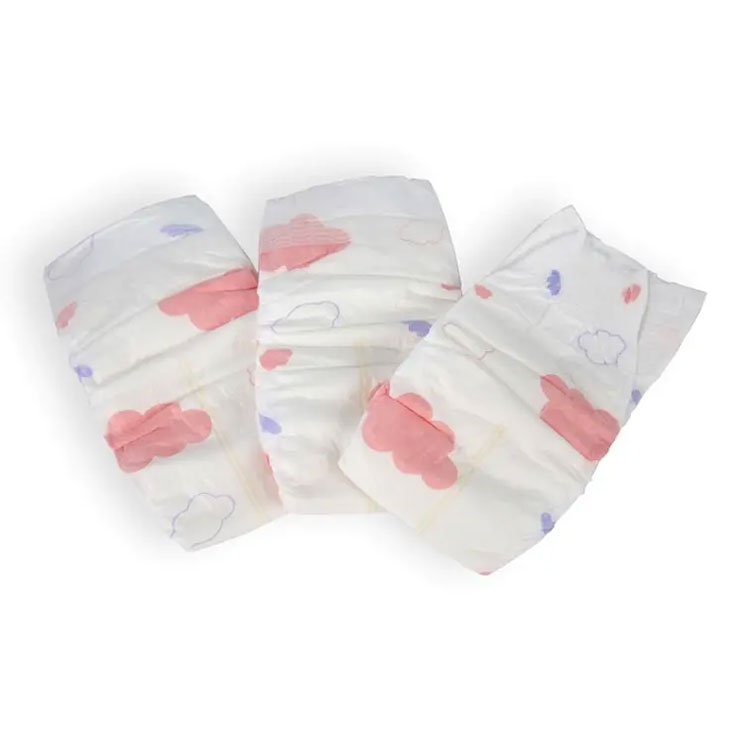
Table of Contents
- Understanding Disposable Baby Diapers
- Key Features to Evaluate
- Benefits for Babies and Caregivers
- Common Concerns and Solutions
- Comparison Table
- Frequently Asked Questions
- Conclusion
Understanding Disposable Baby Diapers
Disposable baby diapers are single-use hygiene products designed to absorb and contain urine and feces for infants and toddlers. Unlike reusable cloth diapers, disposables are made with absorbent materials and a waterproof outer layer that simplifies caregiving routines. As caregivers juggle numerous responsibilities, the convenience and performance of disposable diapers often become crucial factors in daily childcare.
Infants’ skin is delicate, and exposure to moisture can lead to irritation or rash. Therefore, a quality disposable diaper must balance absorbency with breathability, ensuring dryness without compromising comfort. Selecting a diaper that meets these criteria helps reduce fussiness, promotes better sleep, and supports overall baby wellbeing.
Key Features to Evaluate
When selecting disposable baby diapers, caregivers should consider several core features:
- Absorbency: The ability to lock in moisture quickly and maintain dryness over time.
- Fit and Comfort: Elastic waistbands and leg cuffs that adapt to growing bodies without causing marks.
- Skin-Friendly Materials: Hypoallergenic, fragrance-free components to minimize irritation.
- Leak Prevention: Barrier systems that contain messes during sleep and play.
- Breathability: Materials that allow air circulation to help keep skin healthy.
These features directly influence daily comfort for babies and convenience for caregivers. Prioritizing them can dramatically reduce diaper changes and improve the overall caregiving experience.
Benefits for Babies and Caregivers
Disposable baby diapers provide multiple advantages that make them a popular choice among families worldwide. Below are the most impactful benefits:
- Convenience: Pre-assembled and single-use format saves time for busy caregivers.
- Hygiene: Disposable diapers help maintain a cleaner environment by reducing direct contact with waste.
- Comfort: Advanced materials provide softness next to the baby’s skin, reducing irritation.
- Mobility: Lightweight design supports easy movement, making playtime more enjoyable.
- Time Savings: Less laundering compared to reusable options means more quality time with your child.
Common Concerns and Solutions
While disposable baby diapers are widely used, caregivers often have concerns. Below we address common issues and offer practical solutions:
- Skin Sensitivity: For infants with sensitive skin, select diapers labeled “hypoallergenic” and free of dyes and fragrances.
- Cost Considerations: Although ongoing purchases may seem costly, choosing high-absorbency products often reduces the frequency of changes, balancing cost and performance.
- Environmental Impact: To reduce environmental footprint, consider brands that use responsibly sourced materials or biodegradable components.
Comparison Table
| Feature | Standard Disposable Diapers | Premium Disposable Diapers |
|---|---|---|
| Absorbency | Good | Excellent |
| Skin-Friendliness | Standard Materials | Hypoallergenic, Fragrance-Free |
| Fit and Comfort | Basic Fit | Adaptive Elastic Design |
| Leak Protection | Moderate | High |
| Price | Lower | Higher |
Frequently Asked Questions
Q1: How often should I change my baby’s disposable diaper?
A: Change diapers every 2 to 3 hours during the day and immediately after bowel movements. Overnight, choose high-absorbency diapers and change upon waking if necessary.
Q2: Are disposable diapers safe for newborn skin?
A: Yes, many disposable diapers are designed with sensitive newborn skin in mind. Look for “hypoallergenic” labels and minimal additives to reduce irritation risk.
Q3: Can disposable diapers prevent diaper rash?
A: While no diaper can guarantee prevention, high-absorbency disposable diapers reduce prolonged exposure to moisture, lowering the chance of rash. Frequent changes and proper cleaning also help.
Q4: What should I do if my baby frequently leaks through diapers?
A: Evaluate the fit and size. If leaks persist, upgrading to premium diapers with enhanced leak barriers and flexible fit may improve performance.
Q5: How do I dispose of used diapers responsibly?
A: Wrap used diapers securely and place them in designated waste bins. If biodegradable options are available, follow manufacturer guidelines for proper disposal.
Conclusion
Choosing the right disposable baby diapers can significantly enhance comfort and convenience for both babies and caregivers. By focusing on absorbency, fit, skin-friendly materials, and leak protection, you can find a product that meets your family’s needs. Disposable diapers remain a practical solution for everyday care, supporting hygiene and peace of mind.
At Ranjin, we understand the importance of quality in every diaper we produce. Our products are designed to deliver dependable performance and gentle care for your little ones. If you need personalized guidance or wish to explore our range of disposable baby diapers, please contact us today — our team is here to help you make the best choice for your child’s comfort and health.