

Why Choose a High-Performance Soap Dispenser for Today’s Homes and Businesses?
2025-12-03
A soap dispenser is more than a hygiene accessory; it is a functional system engineered to improve cleanliness efficiency, reduce waste, enhance user experience, and support long-term operational safety.
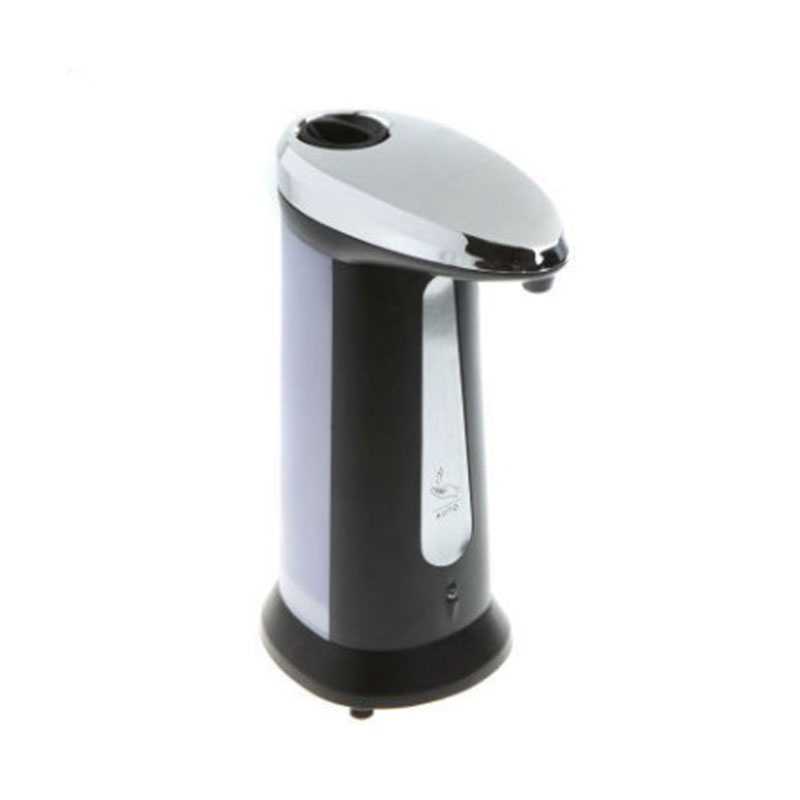
How Does a High-Quality Soap Dispenser Deliver Reliable Hygiene Performance?
A soap dispenser operates through a controlled release mechanism that regulates the exact amount of liquid soap, foam, or sanitizer. By understanding how it functions, users can choose the most suitable system for home, commercial, or industrial environments. The structure typically includes a reservoir, dispensing valve, pump system, anti-drip module, and mounting base. For smart or automatic models, sensors, motors, and power systems are added to enhance touch-free operation.
Key Functional Parameters (Product Specifications)
The following table highlights core parameters commonly considered in professional evaluations:
| Parameter | Description |
|---|---|
| Material | ABS plastic, stainless steel 304/316, PP, PET, or eco-composite to ensure long-term durability and corrosion resistance |
| Capacity Range | 250 ml – 1500 ml depending on household or commercial use |
| Dispensing Type | Liquid, foam, gel, sanitizer, lotion |
| Operation Mode | Manual pump, elbow-press, touch-free infrared sensor, automatic foaming motor |
| Power System (Automatic) | Battery (AA/AAA), USB rechargeable lithium battery |
| Output Volume per Pump | 0.2–1.2 ml adjustable for precise control |
| Installation Method | Wall-mounted, countertop, stand-mounted |
| Refill Method | Lockable refillable tank or disposable cartridge |
| Safety Features | Anti-drip valve, leak-proof seal, child-safe lock, anti-overflow design |
By focusing on these parameters, buyers can evaluate how the dispenser integrates with their hygiene requirements, traffic volume, and long-term maintenance plan.
How the Mechanism Improves Cleanliness
-
Controls dose volume to reduce waste
-
Prevents contamination through one-way valves
-
Minimizes contact when using sensor-activated models
-
Ensures stable output even with high frequency use
-
Maintains hygiene standards for kitchens, bathrooms, hospitals, and food-handling spaces
A well-designed dispenser therefore enhances both sanitation and user convenience by integrating controlled dispensing technology with safe construction materials.
How Do the Features and Advantages of a Soap Dispenser Improve User Experience?
The benefits of a premium dispenser extend beyond hygiene; they influence workflow efficiency, comfort, and cost-effectiveness. Understanding how these features improve daily use helps businesses and homeowners choose products that offer long-term value.
Key Advantages
Efficient Dispensing Control
Precise output levels minimize unnecessary soap usage and reduce refill frequency.
Enhanced Hygiene Protection
Touch-free systems significantly lower the risk of virus and bacteria transmission in high-contact environments.
Durability for Long-Term Use
Reinforced ABS and stainless steel prevent cracking, corrosion, and discoloration over years of use.
Aesthetic Integration
Streamlined shapes and neutral colors match bathrooms, kitchens, hotels, and commercial interiors.
Versatile Compatibility
Works with various liquid types including foam soap, alcohol sanitizer, dishwashing detergents, and antibacterial solutions.
Cost Reduction
Foam conversion dispensers can reduce soap consumption by up to 60%.
How Design Elements Impact Performance
The architecture of a dispenser determines its reliability. For example:
-
Reinforced inner chambers maintain consistent pressure
-
Anti-clog nozzles prevent soap crystallization
-
Infrared sensors detect hand distance accurately to prevent accidental dispensing
-
Refillable tanks reduce plastic waste and long-term cost
These combined elements ensure that each dispensing cycle is smooth, precise, and hygienic.
How Will Soap Dispenser Technology Develop in the Future?
The future of hygiene technology focuses strongly on automation, sustainability, and data-driven management. The increasing global shift toward smart homes and smart commercial infrastructure is shaping the next generation of dispensers.
Future Trends
1. Smart Sensor Systems
Sensors will become more accurate in distinguishing hand proximity, temperature, and movement direction, reducing false triggers and improving energy efficiency.
2. Eco-Friendly Refill Systems
Reusable refill bags, biodegradable cartridges, and reduced-plastic tanks will support environmental sustainability.
3. Advanced Materials
Antibacterial coatings, food-grade polymers, and chemical-resistant alloys will increase product lifespan and hygiene safety.
4. IoT Monitoring for Commercial Use
Large facilities may adopt digital monitoring systems that track:
-
Soap volume
-
Usage frequency
-
Maintenance cycles
-
Battery status
This enables building managers to optimize hygiene operations.
5. Energy-Saving Motors
Automatic foaming dispensers will adopt low-power motors that maintain efficiency while extending battery life by 50% or more.
6. Aesthetic Integration in Smart Homes
Dispenser designs will align with home automation themes such as minimalistic interiors, voice-controlled environments, and integrated sink modules.
These advancements show how dispensers are evolving from simple manual devices into multifunctional hygiene systems.
How to Select and Maintain the Right Soap Dispenser for Long-Term Use?
Choosing the right model involves evaluating installation environment, intended users, and required hygiene level. Maintenance also plays a crucial role in the device’s longevity and performance.
Selection Guide
-
For Homes:
Choose compact designs with 250–500 ml capacity and automatic foaming for children or elderly usage. -
For Offices and Hotels:
Select 800–1200 ml models with lockable tanks and stable dispensing output. -
For Hospitals and Clinics:
Medical-grade materials such as stainless steel 304 or antibacterial polymer are essential. -
For Restaurants and Food-Handling Areas:
Prioritize elbow-press or automatic systems to minimize cross-contamination. -
For Outdoor or High-Traffic Areas:
Use UV-resistant, waterproof, anti-vandal models with secure mounting.
Maintenance Insights
-
Clean nozzles weekly to prevent clogging
-
Replace batteries in automatic units on schedule
-
Rinse tanks when changing soap type
-
Ensure sensors remain unobstructed
-
Check seals regularly to prevent leaks
With proper selection and care, a dispenser can maintain consistent performance for many years.
Common FAQs
Q1: How often should a soap dispenser be refilled?
A refill frequency depends on capacity and usage volume. For example, a 1000 ml dispenser used in a busy facility may require daily refilling, while a 350 ml home dispenser may last one to two weeks. Choosing a larger reservoir reduces maintenance labor and prevents running out during peak hours.
Q2: Why does an automatic soap dispenser stop working?
Failure is commonly caused by low battery, blocked nozzles, incompatible thick soap, or sensor obstruction. Cleaning the nozzle, replacing batteries, and ensuring soap viscosity matches manufacturer recommendations can restore optimal function.
A high-performance soap dispenser combines structural engineering, controlled dispensing technology, high-grade materials, and user-centered design to deliver dependable hygiene protection in homes and commercial spaces. By understanding how its mechanisms work and evaluating product specifications, users can choose models that improve efficiency, reduce waste, and support long-term sanitation standards.
Brands like BEST-HOME continue to innovate by focusing on durability, hygiene safety, and practical convenience. For customized solutions, bulk purchasing, or product consultation, please feel free to contact us for professional assistance and detailed support.