

A pants fitted knife sheath is designed to keep a compatible knife secure, accessible, and comfortable during everyday activities and outdoor tasks. Choosing the right sheath involves more than finding a convenient place to carry a knife. Fit, retention, attachment stability, material durability, clothing compatibility, and ease of maintenance all influence the user experience. This guide explains how to evaluate these features, avoid common fitting problems, compare sheath materials, and maintain a reliable carrying setup. Whether you are an outdoor enthusiast, a professional tool user, or a buyer sourcing custom Kydex products, understanding these practical considerations will help you make a more informed decision.
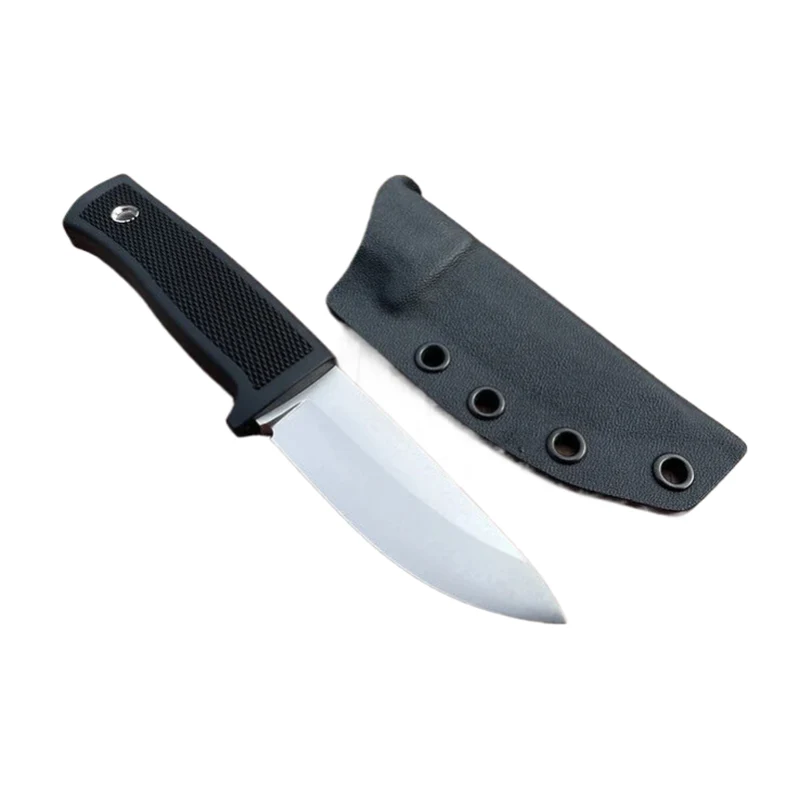
What Is a Pants Fitted Knife Sheath?
A pants fitted knife sheath is a carrying accessory intended to hold a compatible knife close to the wearer's clothing. Depending on its design, it may attach to a waistband, belt, pocket edge, or another approved mounting point. The main purpose is to keep the knife protected while reducing unnecessary movement during normal activity.
For many users, the appeal lies in convenience. A bulky storage solution can interfere with sitting, walking, working, or moving through confined spaces. A well-designed fitted sheath can provide a more streamlined arrangement, provided the knife, attachment system, clothing, and intended use are compatible.
Sheaths vary significantly in shape, retention design, material, and mounting hardware. Some use flexible fabric loops, while others use rigid thermoplastic shells or clips. There is no single design that suits every knife or every wearer. A good choice starts with the dimensions of the knife and the conditions in which it will be carried.
The key principle: A fitted sheath should protect the blade, retain the knife securely, and remain stable without creating unnecessary discomfort or restricting normal movement.
Before buying, check the product's stated compatibility and dimensions. A sheath intended for a particular knife model should not automatically be assumed to fit a similar-looking knife. Differences in handle shape, blade length, guard design, and thickness can affect fit and retention.
What Problems Can the Right Sheath Help Solve?
Many carrying frustrations arise from an unsuitable sheath rather than the knife itself. Identifying the problem first makes it easier to evaluate a replacement.
1. Excessive Movement
A poorly secured sheath may shift when the wearer walks, bends, or sits. Movement can create discomfort, cause the attachment point to loosen, and make the carrying arrangement less predictable. A compatible mounting system and a properly fitted sheath help reduce unwanted movement.
2. Uncomfortable Pressure Points
Rigid edges, oversized hardware, or an unsuitable carrying position can press against the body. This becomes especially noticeable during extended periods of sitting, driving, hiking, or physical work. The sheath's profile and the way it interacts with clothing should be considered alongside its durability.
3. Unreliable Retention
Retention refers to how effectively a sheath holds the knife in place. If the fit is too loose, the knife may move unexpectedly. If it is excessively tight, removal and reinsertion may become difficult or place unnecessary stress on the sheath. The goal is a secure, model-compatible fit that follows the manufacturer's intended design.
4. Moisture and Dirt Buildup
Outdoor activities can expose a sheath to sweat, rain, dust, mud, and other contaminants. Material choice affects how easily the sheath can be cleaned and how well it tolerates these conditions. Regardless of material, trapped moisture and debris should be addressed before storage.
5. Poor Compatibility with Clothing
A clip designed for a thick belt may not hold correctly on a thin fabric edge. Similarly, a large sheath may not sit comfortably with fitted clothing. Checking the mounting method, attachment dimensions, and intended garment compatibility can prevent unnecessary returns and replacement costs.
Which Features Matter Most in a Pants Fitted Knife Sheath?
When comparing products, focus on practical performance instead of appearance alone. The most useful features are those that support secure storage, predictable fit, durability, and straightforward maintenance.
Precise Fit
The sheath should be designed for the intended knife model or verified dimensions. Proper molding helps reduce unnecessary movement and supports consistent retention.
Reliable Retention
The knife should remain seated as intended during ordinary movement. Any adjustment must follow the manufacturer's instructions and preserve safe blade coverage.
Stable Attachment
Clips, loops, and mounting hardware should suit the intended attachment point and remain in good condition during regular use.
Comfortable Profile
A compact shape, smooth finished edges, and appropriate placement can reduce snagging and pressure against clothing or the body.
Durable Construction
Material quality, thickness, forming precision, and hardware selection all contribute to the sheath's ability to withstand repeated use.
Easy Maintenance
A design that can be inspected and cleaned without difficulty is useful for users exposed to rain, dust, sweat, or outdoor debris.
Other details may also matter, including color, surface texture, mounting orientation, drainage, and customization. Their importance depends on the knife design, the user's environment, and the specific product configuration.
How Do Different Knife Sheath Materials Compare?
Material selection affects weight, stiffness, moisture handling, cleaning, appearance, and long-term maintenance. Kydex is a popular option for fitted sheaths because it can be thermoformed into a shape suited to a specific knife.
| Material | Main Advantages | Potential Limitations | Common Considerations |
|---|---|---|---|
| Kydex thermoplastic | Rigid structure, moisture resistance, cleanable surface, precise molding potential | Rigid edges and incorrect fit can cause discomfort; excessive force may damage the shell | Model compatibility, retention, edge finishing, hardware quality |
| Leather | Traditional appearance, flexible feel, can develop a distinctive finish over time | Requires more attention to moisture and drying; may change shape with use | Condition, stitching, drying practices, and fit |
| Nylon or fabric | Lightweight, flexible, available in varied shapes and attachment configurations | Stiffness and retention vary by construction and design | Seams, closures, fabric wear, and compatibility with the knife |
| Other molded polymers | Can offer low weight and practical cleaning | Performance varies with formulation, thickness, molding, and temperature exposure | Product specifications, impact resistance, and service conditions |
Why Kydex Is Frequently Considered
Kydex is a thermoplastic material that can be heated and formed into a specific shape. Once cooled, it retains the formed structure. This process makes it suitable for creating rigid knife sheaths designed around particular blade and handle profiles.
Depending on the design and material specification, a Kydex sheath can offer a combination of structural stability, low moisture absorption, and straightforward cleaning. These properties are useful for many outdoor and everyday tool-storage applications.
However, material alone does not guarantee quality. A poorly fitted or badly finished Kydex sheath may still have sharp edges, unsuitable retention, or hardware that does not match the intended mounting point. Product design and manufacturing consistency remain important.
Why Are Fit and Compatibility Essential?
A fitted knife sheath is only useful when its shape corresponds to the knife it is intended to hold. Even small differences in blade geometry or handle dimensions can influence how the knife sits inside the shell.
Before ordering, confirm the following details:
- Knife model: Verify the exact model and any relevant version differences.
- Blade dimensions: Confirm blade length, width, and thickness where required.
- Handle profile: Check whether handle contours, guards, or other features affect insertion.
- Sheath orientation: Verify the intended mounting direction and configuration.
- Attachment compatibility: Make sure the clip or loop is designed for the specified belt, garment, or mounting system.
- Manufacturer guidance: Review fitting, retention, and inspection instructions before use.
Do not assume that a sheath for one knife can safely accommodate another knife with similar dimensions. The internal shape and retention points may differ even when two products appear almost identical.
Safety note: Never carry or use a knife in a sheath that fails to retain it properly or leaves the cutting edge or point inadequately protected. Do not force a knife into a mismatched sheath. Follow applicable laws and the manufacturer's instructions for carrying, storage, and use.
How Can Carrying Comfort Be Improved?
Comfort depends on more than the sheath's overall size. Its shape, clip design, attachment point, clothing, and the user's typical movements all contribute to how it feels throughout the day.
Consider Your Clothing
Different garments have different thicknesses and structures. A clip that works well on a sturdy belt may not be suitable for a thin waistband or flexible fabric. Use only an attachment system designed for the specific mounting point, and check that the fabric or belt can support it securely.
Evaluate the Sheath Profile
Rounded edges and a well-finished exterior can reduce snagging. A compact design may also be easier to accommodate beneath a jacket or alongside other equipment. Nevertheless, a smaller sheath is not automatically better if it compromises full blade coverage or secure retention.
Check Stability During Normal Movement
Before relying on a new setup, inspect the attachment and retention according to the manufacturer's instructions. Test the unloaded mounting system first, then confirm that the compatible knife seats fully and remains secure under controlled conditions. Avoid vigorous movement tests that could dislodge an inadequately retained knife.
Balance Convenience with Safety
Ease of access should never come at the expense of secure storage. Choose a position that reduces interference with ordinary movement while keeping the knife safely covered. If the arrangement shifts, presses uncomfortably against the body, or interferes with sitting and bending, reconsider the configuration rather than forcing yourself to adapt to it.
How to Choose a Pants Fitted Knife Sheath
A simple buying process can help you avoid paying for features you do not need while ensuring that the important requirements are covered.
Step 1: Define the Intended Application
Consider whether the sheath will be used for outdoor recreation, work-related tool storage, collecting, or another lawful purpose. Environmental exposure and frequency of use will influence the most suitable material and construction.
Step 2: Confirm the Knife Dimensions
Start with the exact knife model and manufacturer specifications. If you are sourcing a custom sheath, provide accurate dimensions and discuss any features that affect the fit.
Step 3: Select a Suitable Material
Consider the advantages and limitations of Kydex, leather, nylon, and other molded materials. For users who prioritize a rigid, cleanable sheath with a defined shape, Kydex may be a practical choice.
Step 4: Review the Attachment System
Confirm that the mounting hardware is suitable for the intended clothing or belt. Ask about attachment dimensions, hardware material, and available configurations when the product information is unclear.
Step 5: Evaluate Quality and Maintenance
Look for smooth edges, consistent forming, secure hardware, adequate blade coverage, and clear maintenance instructions. Product photographs can help with initial evaluation, but compatibility information and manufacturer guidance are also important.
Step 6: Confirm Customization Requirements
For business buyers and knife manufacturers, customization may involve dimensions, color, material thickness, logo placement, mounting options, packaging, and order quantities. Discuss these details before sampling or production so that the proposed design can be evaluated against the intended application.
| Buying Priority | Questions to Ask |
|---|---|
| Fit | Is the sheath made for the exact knife model or verified dimensions? |
| Retention | How is the knife retained, and what inspection guidance is provided? |
| Comfort | Are the profile, edges, and attachment method appropriate for the intended clothing? |
| Durability | What material and hardware specifications are used? |
| Customization | Can dimensions, colors, mounting configurations, and branding be tailored? |
| Supply | What are the sample process, minimum order quantity, production schedule, and inspection requirements? |
How Should a Pants Fitted Knife Sheath Be Maintained?
Routine care helps preserve the sheath's structure and allows users to identify wear before it becomes a safety concern. The appropriate cleaning method depends on the material and the manufacturer's recommendations.
Clean Away Dirt and Residue
For compatible Kydex sheaths, a soft cloth and mild soap with water are often sufficient for routine cleaning. Avoid aggressive solvents or abrasive tools unless the manufacturer specifically approves them. Remove debris from accessible areas and allow the sheath to dry completely before storage.
Inspect the Attachment Hardware
Check clips, screws, eyelets, loops, and other mounting components for looseness, deformation, corrosion, or visible damage. Any maintenance or adjustment should follow the manufacturer's guidance. Replace damaged components rather than relying on an insecure attachment.
Check Retention and Structural Condition
Inspect the sheath for cracks, warping, damaged edges, or changes in fit. If the knife no longer seats or retains as intended, stop using the setup until the cause has been identified and corrected.
Keep the Knife Clean and Dry
Moisture or debris trapped between the knife and sheath can contribute to corrosion or surface damage, depending on the blade material and environment. Clean and dry the knife after exposure to water, sweat, or contaminants, following the knife manufacturer's instructions.
Store Equipment Responsibly
When the knife is not in use, keep it secured in an appropriate location away from children and unauthorized users. Follow local laws and any workplace or activity-specific storage requirements.
Custom Pants Fitted Knife Sheath Solutions from Wetac
Standard sheaths may not satisfy every knife design or purchasing requirement. Knife brands, outdoor equipment businesses, and distributors may need a tailored solution that accounts for a specific model, attachment configuration, material preference, or brand identity.
Wetac specializes in Kydex knife sheaths and related molded accessories. Its product range and manufacturing services include customized sheath designs for different knife and tool configurations. Depending on the project, customers can discuss product dimensions, material thickness, colors, logo requirements, and mounting options with the manufacturer.
What to Prepare for a Custom Project
- Exact knife model information and dimensional drawings, where available.
- Physical samples when required for fit evaluation and tooling development.
- Preferred sheath material, thickness, color, and surface finish.
- Required mounting hardware and intended attachment configuration.
- Logo, branding, packaging, and labeling requirements.
- Target order quantity, sample expectations, and delivery schedule.
- Inspection criteria and any specific product performance requirements.
Clear specifications reduce misunderstandings and make it easier to evaluate whether a proposed design meets the intended requirements. For a custom fitted sheath, sample testing and fit verification are particularly important before approving a production run.
Buyers should also confirm applicable product regulations, shipping requirements, and any restrictions associated with the intended market. These checks help keep product development and purchasing decisions aligned with local requirements.
Frequently Asked Questions About Pants Fitted Knife Sheaths
Its purpose is to protect a compatible knife and keep it securely stored at an appropriate carrying point. A well-matched design can reduce unnecessary movement and improve convenience without compromising blade coverage or retention.
Kydex can be suitable when a rigid, moisture-resistant, cleanable sheath is preferred. Its thermoforming properties allow manufacturers to create model-specific shapes. Overall performance still depends on material quality, forming precision, edge finishing, retention, and hardware design.
Not necessarily. Differences in blade dimensions, handle geometry, guards, and retention points can make a sheath unsuitable for another knife. Always verify compatibility with the manufacturer and never force a mismatched knife into a sheath.
Check that the knife seats as intended, the blade and point are adequately covered, the retention functions according to the design, and the attachment remains stable. Follow the manufacturer's fitting instructions and discontinue use if the knife shifts unexpectedly or cannot be secured reliably.
No single material is best for every application. A rigid sheath can provide structural support and a defined shape, but the quality of the fit, edge finishing, retention, and construction is equally important. The right choice depends on the knife and the intended environment.
Inspect it regularly according to the frequency and conditions of use. Check it before relying on it, especially after impact, exposure to harsh conditions, or any event that could damage the sheath or attachment. Follow the manufacturer's recommended inspection schedule.
Wetac offers customized Kydex sheath and related product services. Customers can discuss knife dimensions, material options, colors, mounting configurations, and branding requirements directly with the manufacturer. Specific feasibility, sampling, minimum order quantities, and lead times should be confirmed for each project.
Provide the knife model or dimensional drawings, sample availability, desired material and thickness, mounting configuration, color, logo specifications, estimated order quantity, and target delivery schedule. These details help the manufacturer assess the project and clarify the next steps.
Choose a Sheath That Combines Fit, Comfort, and Reliability
Finding the right pants fitted knife sheath requires attention to the details that influence daily use: compatibility, retention, attachment stability, comfort, material properties, and maintenance. A sheath should be selected for the specific knife and intended environment rather than appearance alone.
For individual users, verifying fit and maintaining the equipment can prevent avoidable problems. For brands, distributors, and manufacturers, clearly defining dimensions, materials, hardware, and customization requirements helps create a more dependable product specification.
Wetac provides Kydex sheath solutions and customization services for customers with different product requirements. If you are developing a new sheath, sourcing fitted knife accessories, or exploring OEM/ODM possibilities, contact us to discuss your specifications, sample requirements, and potential manufacturing options.
Looking for a Custom Kydex Knife Sheath?
Discuss your knife dimensions, preferred materials, mounting configuration, colors, and branding requirements with Wetac. Our team can help you explore a suitable solution for your project.
Contact us to request more information about custom sheath designs, samples, and manufacturing services.