

What Safety Protocols Should Be Followed When Operating an Air Ultrasonic Grinder
2026-02-27
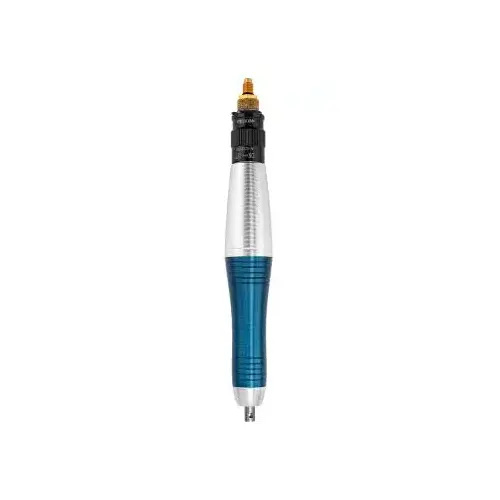
Operating an Air Ultrasonic Grinder requires strict adherence to safety protocols to protect the user and ensure equipment longevity. At WYMA, we prioritize operator safety by designing tools that meet rigorous standards, but proper handling remains the user's responsibility. Below is a professional guide to the essential safety measures for using an Air Ultrasonic Grinder.
Personal Protective Equipment (PPE) Requirements
Before engaging the tool, operators must wear appropriate gear to mitigate risks from high-frequency vibrations and airborne debris.
| PPE Item | Function | WYMA Recommendation |
|---|---|---|
| Safety Glasses | Protects eyes from fine dust and particles. | Use wrap-around glasses with side shields. |
| Hearing Protection | Reduces risk from ultrasonic and pneumatic noise. | Choose earmuffs with a high Noise Reduction Rating (NRR). |
| Anti-Vibration Gloves | Dampens high-frequency vibrations to prevent hand-arm vibration syndrome (HAVS). | Ensure gloves fit snugly to maintain grip. |
| Dust Mask/Respirator | Prevents inhalation of hazardous material dust. | Select a respirator rated for fine particulate matter (e.g., N95 or higher). |
Pre-Operation Inspection Checklist
A thorough inspection prevents mechanical failures that could lead to accidents. Follow this checklist daily:
-
Air Supply: Verify that the compressed air is clean, dry, and regulated to the pressure specified by WYMA for the Air Ultrasonic Grinder.
-
Hose Connections: Check all air hoses for cracks or leaks and ensure they are securely attached to prevent whipping.
-
Tool Condition: Inspect the grinder's housing and the ultrasonic horn for any signs of damage or wear.
-
Safety Guard: Confirm that the wheel guard is in place, properly adjusted, and secured.
Safe Operating Procedures
Following correct procedures during operation is critical for maintaining a safe workspace.
-
Secure Workpiece: Always clamp the material firmly. Never hold it by hand, as the Air Ultrasonic Grinder's precision and power can cause slippage.
-
Two-Handed Control: Maintain a firm grip with both hands on the insulated handles to maintain control and absorb reactive forces.
-
Controlled Start: Allow the tool to reach its full ultrasonic frequency before contacting the workpiece. This prevents kickback.
-
Dust Extraction: Utilize a dust collection system connected to the grinder's shroud, as recommended in WYMA product manuals, to maintain a clear view and clean air.
Emergency Protocols
Despite precautions, knowing how to react in an emergency minimizes injury.
-
Immediate Shut-Off: Know the location of the emergency shut-off valve for the compressed air line.
-
Tool Malfunction: If the Air Ultrasonic Grinder emits unusual sounds or vibrations, release the throttle trigger immediately and disconnect the air supply.
-
First Aid: Have a first aid kit readily accessible, specifically equipped to treat cuts and abrasions from material debris.
WYMA Air Ultrasonic Grinder FAQ
Q: How does the safety guard on a WYMA Air Ultrasonic Grinder enhance operator protection?
A: The safety guard on a WYMA Air Ultrasonic Grinder is engineered to act as a physical barrier between the operator and the rotating abrasive wheel. In the unlikely event of wheel fragmentation, the guard contains the debris, preventing high-velocity projectiles from striking the operator. It also helps to deflect sparks and fine dust away from the body, directing them toward an integrated dust extraction port for safer cleanup.
Q: What specific training is required to safely operate an Air Ultrasonic Grinder?
A: Operators should undergo comprehensive training that covers the theoretical principles of ultrasonic machining and the specific mechanics of the Air Ultrasonic Grinder. This training must include hands-on practice in controlled start-up sequences, recognizing the "sweet spot" for material contact to avoid overload, and interpreting the tool's acoustic feedback. Certification in pneumatic tool safety and hazard awareness is strongly recommended before independent operation.
Q: Can using the wrong air pressure settings make a WYMA Air Ultrasonic Grinder unsafe?
A: Yes, operating a WYMA Air Ultrasonic Grinder with incorrect air pressure is a significant safety hazard. Excessively high pressure can cause the ultrasonic frequency to destabilize, leading to uncontrolled vibration and potential tool damage or workpiece shattering. Conversely, pressure that is too low may cause the tool to stall or bind, increasing the risk of kickback. Always adhere to the precise pressure range documented in the WYMA user manual to ensure stable and safe operation.
Conclusion
Safety is an ongoing commitment that combines reliable equipment with vigilant practices. By integrating these protocols into your daily routine, you ensure a secure environment that maximizes the performance of your Air Ultrasonic Grinder.
Contact us today at WYMA to learn more about our safety features or to schedule a professional training session for your team.