

What Makes Solar Junction Boxes the Key to Efficient and Reliable Solar Power Systems?
2025-11-12
A Solar Junction Box is a crucial component of every photovoltaic (PV) module, serving as the central connection point between the solar panel and the external electrical system. This box acts as the interface where the generated electricity is collected, protected, and transferred. Without it, the power generated by solar cells could not be safely delivered to inverters or storage batteries.
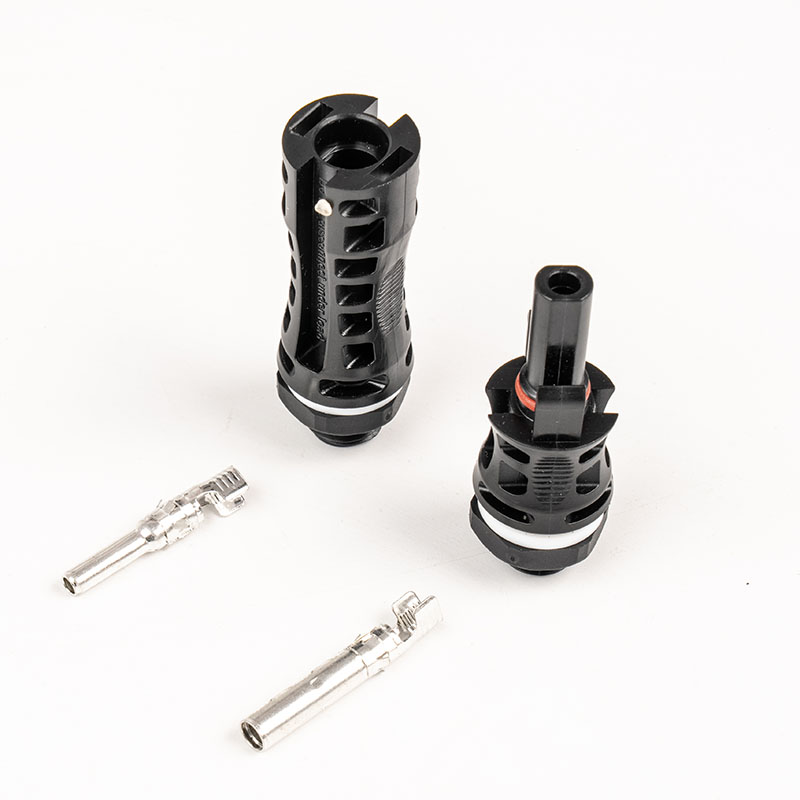
In a solar panel, individual cells produce direct current (DC) electricity that needs to be collected and transmitted efficiently. The Solar Junction Box plays a vital role in this process by connecting the panel’s output leads, incorporating bypass diodes to prevent reverse current flow, and ensuring stable transmission under various environmental conditions.
A high-quality junction box not only ensures safety but also increases the longevity and efficiency of solar panels. It provides protection against dust, moisture, and UV radiation, which are common challenges in outdoor installations. By integrating waterproof seals, flame-retardant materials, and robust wiring designs, the junction box guarantees that the solar system operates reliably over decades of use.
Key Product Parameters of Solar Junction Box
| Parameter | Specification |
|---|---|
| Rated Voltage | 1000V DC / 1500V DC |
| Rated Current | 10A – 30A (customizable) |
| Protection Level | IP65 / IP67 (waterproof and dustproof) |
| Insulation Resistance | ≥500MΩ (under 1000V DC) |
| Operating Temperature Range | -40°C to +85°C |
| Cable Specification | 4mm² / 6mm² solar cables |
| Diode Type | Schottky bypass diodes |
| Material | UV-resistant flame-retardant PPO / PC |
| Connection Type | Snap-fit or screw-type terminal |
| Certification | TUV, UL, CE, RoHS |
This detailed design ensures that the Solar Junction Box provides stable power transmission, reduced maintenance costs, and improved safety for long-term energy generation.
Why Are Solar Junction Boxes Crucial for Safety and Efficiency in Photovoltaic Systems?
The Solar Junction Box is the unsung hero of solar technology. While solar panels capture sunlight and convert it into electricity, the junction box manages how that electricity is distributed safely and efficiently.
A. Electrical Safety and Protection
The junction box incorporates bypass diodes, which are essential for preventing reverse current that could damage the cells. When part of a solar panel becomes shaded, the bypass diode ensures that the unshaded cells continue to generate power without overheating the shaded ones. This feature minimizes power loss and enhances system safety.
Additionally, high-quality Solar Junction Boxes are made from flame-retardant and weather-resistant materials, protecting the internal circuits from external damage caused by high temperatures, moisture, and UV rays.
B. Efficiency and Energy Stability
An efficient junction box reduces energy losses during power transmission. Poor connections or inferior materials can cause resistance that lowers output efficiency. In contrast, well-engineered junction boxes use high-conductivity terminals and corrosion-resistant components to maximize output consistency.
C. Ease of Installation and Maintenance
Modern Solar Junction Boxes are designed for quick assembly and easy replacement. Snap-fit designs allow installers to connect and disconnect wiring safely, minimizing downtime and maintenance effort. This design advantage makes large-scale installations faster and more reliable.
D. Environmental and Long-Term Performance
Solar systems are exposed to harsh environments—rain, snow, high heat, and wind. The junction box must be IP-rated for waterproofing and dust protection. With IP67-level sealing and corrosion-proof materials, the box can withstand extreme conditions without performance degradation.
Therefore, the Solar Junction Box ensures both energy efficiency and operational safety, which directly influence the return on investment for solar power systems.
How Will Solar Junction Boxes Evolve with Future Solar Energy Trends?
The global solar industry continues to evolve, and the Solar Junction Box is advancing along with it. As energy demands grow and new technologies emerge, manufacturers are optimizing junction boxes to align with next-generation solar modules and digital energy management systems.
A. Integration with Smart Monitoring Systems
The future of Solar Junction Boxes will involve smart sensors and IoT-enabled communication modules. These advancements will allow remote monitoring of temperature, voltage, and current in real time. By detecting irregularities early, operators can reduce maintenance costs and prevent potential failures.
B. Enhanced Durability and Compact Design
Next-generation junction boxes are expected to adopt smaller and lighter designs while maintaining the same or greater protection levels. The use of advanced polymers and improved heat dissipation structures will ensure better performance even in high-power-density solar panels.
C. Compatibility with High-Voltage Systems
As solar installations transition toward 1500V systems for large-scale projects, junction boxes must meet higher electrical and thermal standards. Manufacturers are developing high-voltage compatible diodes and insulation materials to meet this demand, ensuring stability in utility-scale applications.
D. Sustainable and Recyclable Materials
The solar industry increasingly emphasizes environmental responsibility. Future junction boxes will be produced using recyclable, eco-friendly materials without compromising electrical performance. This aligns with global sustainability goals and helps reduce the environmental footprint of solar installations.
E. Integration with Energy Storage Systems
With the rise of hybrid and off-grid systems, Solar Junction Boxes will also evolve to integrate energy storage management. This will enable seamless connections between solar arrays, batteries, and inverters, supporting efficient power flow across the system.
By aligning with these technological advancements, the Solar Junction Box will remain a cornerstone of innovation in solar energy, contributing to safer, more efficient, and sustainable energy systems worldwide.
Frequently Asked Questions about Solar Junction Boxes
Q1: What is the difference between a standard and waterproof Solar Junction Box?
A1: A standard Solar Junction Box provides basic electrical connectivity but may not protect against dust and moisture. A waterproof junction box, typically rated IP65 or IP67, includes sealing gaskets and water-resistant enclosures. This prevents corrosion and electrical failures caused by environmental exposure, ensuring the system’s longevity and consistent performance in outdoor settings.
Q2: How do bypass diodes in a Solar Junction Box improve system performance?
A2: Bypass diodes prevent current from flowing backward when parts of a solar panel are shaded. Without them, shaded cells can overheat and reduce the power output of the entire panel. Bypass diodes isolate shaded cells, allowing the rest of the module to continue generating electricity efficiently. This ensures the system maintains high output even under partial shading conditions.
The Role of Ningbo Dsola New Energy Technical Co., Ltd. in Advancing Solar Junction Box Technology
The Solar Junction Box stands as a vital part of modern solar energy systems, ensuring the safe, efficient, and long-term operation of photovoltaic modules. Its design reflects a balance between advanced electrical engineering and durable environmental protection. As the solar industry moves toward smarter and more sustainable systems, the Solar Junction Box continues to evolve, meeting new demands for higher efficiency, connectivity, and reliability.
Ningbo Dsola New Energy Technical Co., Ltd. specializes in the research, development, and manufacturing of high-performance Solar Junction Boxes that meet international standards such as TUV, UL, and CE. The company focuses on innovation, quality control, and customer satisfaction, ensuring that its products provide superior protection and performance in both residential and industrial solar installations.
For detailed specifications, customized solutions, or partnership inquiries,
Contact us to learn more about how Ningbo Dsola’s advanced Solar Junction Boxes can power your solar projects with reliability and efficiency.