

What Makes Rope Straps the Ultimate Solution for Modern Applications?
2025-11-05
Rope straps have evolved from simple fastening tools into advanced multifunctional components widely used in industries ranging from outdoor recreation and marine applications to construction, logistics, and apparel. A rope strap typically consists of a woven or braided rope integrated with loops, hooks, or adjustable buckles, allowing users to secure, lift, or stabilize objects efficiently. What makes rope straps stand out today is not just their basic functionality but also the combination of innovative materials and precision manufacturing techniques that enhance their durability, flexibility, and safety.
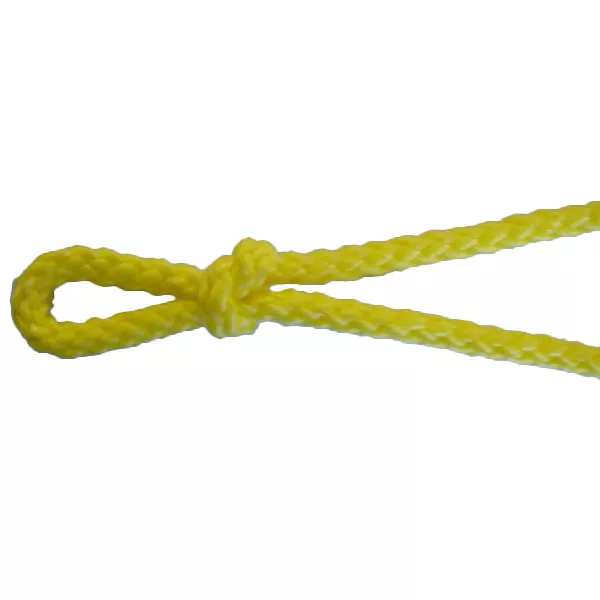
At its core, a rope strap is designed to provide high tensile strength, abrasion resistance, and easy handling. Unlike traditional ropes that may fray or lose elasticity over time, modern rope straps are engineered with synthetic fibers like nylon, polyester, and polypropylene, offering superior load-bearing capacity while remaining lightweight and weather-resistant. These materials ensure that the strap maintains performance under various environmental conditions — from extreme heat to moisture and UV exposure.
The central theme of this discussion revolves around why rope straps have become indispensable across industries, how their structural design improves safety and efficiency, and what future trends will define the next generation of rope strap products.
Below is a summary of the key technical specifications often found in premium rope straps designed for industrial and commercial use:
| Parameter | Specification Range | Description |
|---|---|---|
| Material Type | Nylon, Polyester, Polypropylene | High-strength synthetic fibers for durability |
| Diameter | 4mm – 20mm | Customizable based on load requirements |
| Breaking Strength | 250 kg – 2,000 kg | Tested for industrial-grade safety |
| Elongation Rate | 3% – 15% | Controlled stretch for stability under tension |
| UV Resistance | Yes | Prevents degradation from sunlight |
| Temperature Range | -40°C to +120°C | Suitable for harsh outdoor conditions |
| Color Options | Black, Red, Blue, Custom | Supports brand or functional color-coding |
| End Fittings | Hooks, Loops, Carabiners | Adaptable to various applications |
| Certification | ISO 9001, CE | Meets global safety and quality standards |
The combination of these parameters ensures that rope straps are both functional and customizable, suitable for everything from outdoor gear and boating to industrial lifting and cargo securing.
Why Rope Straps Are Revolutionizing Safety, Versatility, and Design
The growing popularity of rope straps is no coincidence — it’s driven by the demand for safer, lighter, and more adaptable securing systems. Traditional metal chains or rigid belts, while strong, often suffer from inflexibility, added weight, and corrosion issues. Rope straps, on the other hand, solve these challenges through innovative material science and ergonomic design.
1. Safety and Load Management:
Modern rope straps are built with reinforced braiding patterns and internal cores that distribute tension evenly, reducing strain points. This engineering prevents snapping or sudden failure, which is critical in load-bearing environments like logistics or marine operations. The smooth texture of synthetic rope also minimizes abrasion, protecting both the strap and the object being secured.
2. Flexibility Across Applications:
Rope straps have transcended their traditional uses. In sports, they are used for climbing, kayaking, and camping; in construction, they handle heavy loads; and in fashion or home décor, they provide stylish utility. Their ability to adapt to various forms, from coiled storage straps to elastic tension cords, demonstrates unmatched versatility.
3. Durability and Environmental Resistance:
Unlike natural fibers that absorb moisture and degrade, synthetic rope straps maintain performance in all climates. The integration of UV-resistant coatings and anti-corrosion fittings extends product life, making them ideal for outdoor and marine environments.
4. Aesthetic and Functional Innovation:
Recent advancements have seen rope straps integrated into lifestyle products — such as camera straps, handbags, and wearable accessories — combining strength with minimalist design. The texture and color options provide designers with aesthetic flexibility without compromising on strength or reliability.
5. Sustainable Manufacturing Approaches:
As industries move toward eco-friendly production, rope strap manufacturers are exploring recycled synthetic fibers and energy-efficient weaving technologies. This shift not only reduces environmental impact but also enhances brand reputation in global markets that prioritize sustainability.
These combined factors illustrate why rope straps have become a preferred choice across industries, replacing traditional fastening solutions with a product that embodies strength, adaptability, and style.
How Rope Straps Are Manufactured and What Defines Quality
Understanding how rope straps are made is essential for selecting the right product. High-quality rope straps go through a precise manufacturing process involving material selection, braiding or weaving, treatment, and quality control testing.
1. Material Selection:
Manufacturers start with high-tensile synthetic fibers such as nylon, polyester, or UHMWPE (Ultra-High Molecular Weight Polyethylene). Each material offers distinct benefits — nylon for elasticity and shock absorption, polyester for UV resistance, and UHMWPE for maximum strength-to-weight ratio.
2. Braiding and Weaving:
The rope is braided or woven under controlled tension using advanced machinery that ensures uniform density and prevents weak spots. The pattern — whether double-braided, kernmantle, or hollow-core — determines how the strap will behave under stress.
3. Finishing and Treatment:
After braiding, the rope undergoes surface coating or heat setting, enhancing abrasion resistance, water repellency, and colorfastness. Some models are equipped with thermoplastic tips, hooks, or buckles depending on the intended use.
4. Testing and Quality Assurance:
Each rope strap is tested for breaking strength, elongation, and weather resistance according to international standards such as ISO and CE. Only those that meet safety thresholds proceed to packaging.
5. Customization and Branding:
Many manufacturers, including Hongcheng, offer customization options — from diameter and color to printed logos or specialized fittings — allowing businesses to tailor rope straps for brand visibility or unique functional needs.
The defining quality of a rope strap lies not only in its material but also in its precision manufacturing and post-production inspection, ensuring consistent reliability and long-term performance.
Future Trends and Common Questions About Rope Straps
As technology and sustainability reshape the manufacturing industry, rope straps are expected to integrate smart materials and eco-conscious designs. Below are emerging trends that will influence the future of rope straps:
1. Smart Integration:
Developers are exploring rope straps embedded with load sensors or RFID chips, allowing real-time monitoring of stress, wear, and temperature. These innovations could redefine safety in logistics, construction, and rescue operations.
2. Biodegradable Materials:
Future rope straps may use bio-based polymers that decompose naturally without compromising strength, aligning with environmental goals.
3. Lightweight Engineering:
Advances in nanofiber technology will lead to lighter yet stronger ropes, enhancing mobility and energy efficiency in industrial and recreational settings.
4. Ergonomic and Modular Design:
Adjustable rope straps with interchangeable fittings will allow users to modify them for multiple tasks — from camping to heavy-duty cargo management.
5. Color and Texture Customization:
As personalization becomes a major market driver, rope straps will increasingly serve both practical and aesthetic functions, offering custom finishes for corporate, industrial, and consumer use.
Frequently Asked Questions (FAQ)
Q1: What factors should be considered when choosing a rope strap for outdoor or industrial use?
A1: The choice of rope strap depends on several factors, including load capacity, environmental exposure, and frequency of use. For outdoor or marine environments, choose polyester or polypropylene materials for their UV and moisture resistance. For heavy industrial applications, nylon or UHMWPE provides superior tensile strength and controlled elasticity. Always verify certifications like ISO 9001 or CE to ensure product safety.
Q2: How can rope straps be maintained to ensure long-term performance?
A2: To maintain rope straps, clean them regularly with mild soap and water, avoiding harsh chemicals that may damage the fibers. Store them in a cool, dry place away from direct sunlight. Inspect the straps periodically for fraying, discoloration, or weakened fittings. If used in marine settings, rinse after exposure to saltwater to prevent corrosion of metal components.
Rope Straps and the Innovation Behind Hongcheng
The evolution of rope straps demonstrates how innovation, material science, and user-centered design have transformed a simple utility tool into a critical component of modern industry and lifestyle products. Their strength, versatility, and sustainability make them a dependable solution for professionals and consumers alike.
Hongcheng, a leading manufacturer of high-performance rope straps, continues to pioneer in this field by combining advanced production technology with eco-friendly initiatives. The company’s dedication to quality and customization ensures that every rope strap delivers superior performance and safety in any application.
For inquiries, bulk orders, or customization options, contact us to explore how Hongcheng’s rope strap solutions can elevate your products or operations.