

What Makes an Automobile Steering Rack Crucial for Vehicle Performance?
2025-11-28
The automobile steering rack is a critical component in the steering system, directly influencing vehicle handling, safety, and driving comfort. It converts the rotational motion of the steering wheel into linear motion, enabling the wheels to turn with precision. Understanding the functionality, advantages, and future developments of the steering rack is essential for automotive manufacturers, repair specialists, and car enthusiasts aiming to maintain or enhance vehicle performance.
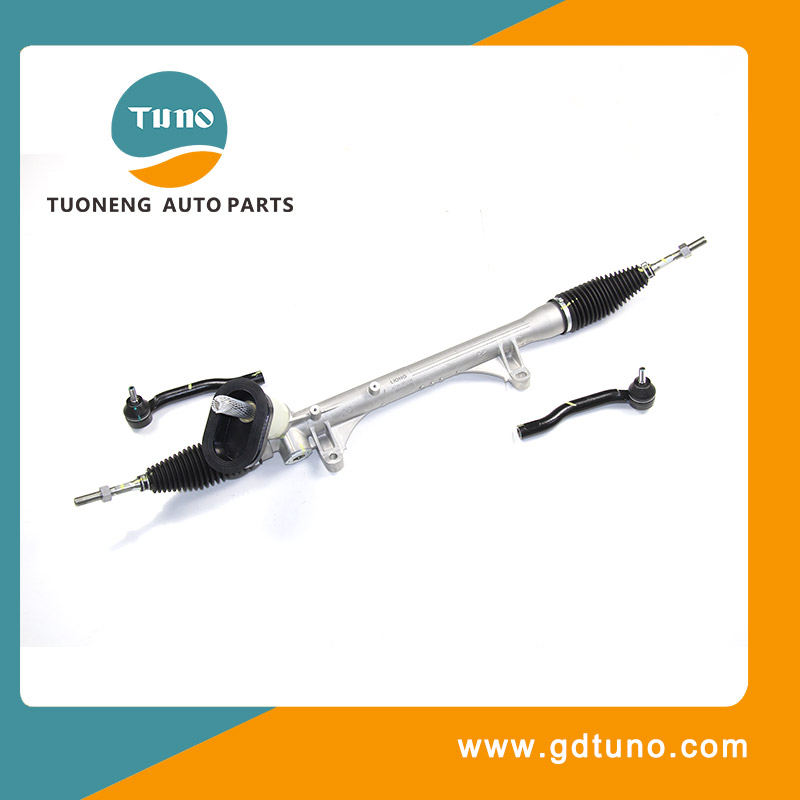
What is an Automobile Steering Rack and How Does it Work?
The steering rack, often referred to as a rack-and-pinion system, is composed of a gearset that translates the steering wheel's rotation into lateral motion, moving the tie rods to steer the wheels. This mechanism ensures responsive handling, stability during turns, and precise feedback to the driver.
Key Parameters of a High-Performance Steering Rack
| Parameter | Specification | Benefit |
|---|---|---|
| Rack Type | Manual / Power-assisted | Provides either direct steering feedback or reduced effort via hydraulic/electric assistance |
| Material | High-strength steel or alloy | Enhances durability and wear resistance |
| Gear Ratio | 14:1 – 20:1 | Balances steering sensitivity and vehicle stability |
| Input Torque | 20–40 Nm | Determines steering effort required |
| Stroke Length | 200–300 mm | Influences the turning radius and responsiveness |
| Mounting | Bolt-on or integrated subframe | Simplifies installation and ensures stability |
| Lubrication | Grease or hydraulic fluid | Reduces wear and operational noise |
| Operating Temperature | -40°C to 120°C | Ensures reliable performance in extreme conditions |
Steering racks can be either manual or power-assisted, with the latter further divided into hydraulic power steering (HPS) and electric power steering (EPS). EPS systems have gained traction due to their energy efficiency, adaptability for autonomous driving systems, and compatibility with modern vehicle electronics.
Why is the Quality of a Steering Rack Essential for Vehicle Safety and Longevity?
The steering rack directly affects a car’s safety, ride comfort, and lifespan. A poorly manufactured or worn-out steering rack can lead to excessive play in the steering wheel, uneven tire wear, and reduced control during emergency maneuvers.
Key Advantages of High-Quality Steering Racks:
-
Enhanced Handling and Precision: A precisely engineered rack ensures smooth, predictable steering response, which is critical for high-speed stability and cornering accuracy.
-
Reduced Maintenance Costs: High-strength materials and precision machining minimize wear, reducing the frequency of replacements and repairs.
-
Noise and Vibration Reduction: Quality steering racks with proper lubrication and damping reduce NVH (Noise, Vibration, Harshness), improving driver comfort.
-
Compatibility with Modern Vehicles: Advanced racks support electronic steering assists and integration with ADAS (Advanced Driver Assistance Systems), making them future-proof.
Common Steering Rack Materials and Their Impact:
-
Steel Alloy Racks: Offer superior strength and resistance to deformation under heavy loads.
-
Aluminum Racks: Lightweight, improving fuel efficiency, but require careful surface treatment for durability.
-
Hybrid Coatings: Anti-corrosion layers combined with hardened steel increase lifespan without compromising performance.
Long-Term Benefits: A well-engineered steering rack ensures consistent wheel alignment, reduces component fatigue, and provides reliable steering feedback throughout the vehicle’s operational life.
How to Choose the Right Steering Rack and What Innovations Are Shaping the Future?
Selecting a steering rack requires understanding vehicle specifications, driving conditions, and maintenance expectations. The right choice improves safety, responsiveness, and driving experience.
Factors to Consider When Choosing a Steering Rack:
-
Vehicle Type: Passenger car, SUV, or heavy-duty truck steering requirements vary significantly.
-
Steering Mechanism: Manual vs. power-assisted steering determines torque requirements and integration complexity.
-
Load and Torque Ratings: Ensure compatibility with vehicle weight and expected handling forces.
-
Durability Standards: Look for ISO or OEM-standard certifications indicating quality and reliability.
-
Integration Capability: Compatibility with electric steering systems and driver-assistance technologies.
Future Trends in Steering Rack Technology:
-
Electric Power Steering (EPS) Advancements: Lower energy consumption, improved responsiveness, and integration with lane-keeping and self-parking systems.
-
Lightweight Materials: Use of composites and aluminum alloys reduces vehicle weight and fuel consumption.
-
Predictive Maintenance Sensors: Embedded sensors monitor wear and predict replacement intervals, reducing downtime.
-
Enhanced Safety Systems Integration: Steering racks increasingly work with autonomous emergency braking, adaptive cruise control, and stability control systems.
Frequently Asked Questions About Automobile Steering Racks
Q1: How can I tell if my steering rack needs replacement?
A1: Signs include uneven steering response, noise during turns (clunking or knocking), fluid leaks in power-assisted systems, and excessive play in the steering wheel. Early detection prevents damage to tie rods and suspension components.
Q2: Can a steering rack be refurbished instead of replaced?
A2: In some cases, worn steering racks can be reconditioned, including replacing seals, bearings, and lubricants. However, high-stress components or those with internal gear wear are better replaced with a new, high-quality rack to ensure longevity and safety.
High-quality steering racks like those provided by Tuoneng combine precision engineering, durable materials, and advanced design to enhance vehicle safety, handling, and comfort. With a focus on performance, integration with modern steering technologies, and long-term reliability, Tuoneng is at the forefront of automotive steering innovation. For inquiries about products, technical specifications, or purchasing options, contact us to learn more about Tuoneng’s advanced steering solutions.