

What Is The Best Way To Operate A Carbide Flathead Drill For Optimal Results
2026-01-19
Achieving flawless, efficient drilling in tough materials requires not just a premium tool, but also the correct technique. When you invest in a high-performance Carbide Flathead Drill, like those engineered by Wangdefu, knowing the best operational practices is key to unlocking its full potential, ensuring precision, safety, and exceptional tool longevity.
Operating a Carbide Flathead Drill optimally hinges on a combination of proper setup, precise parameters, and meticulous technique. Follow this professional guide to secure the best results every time.
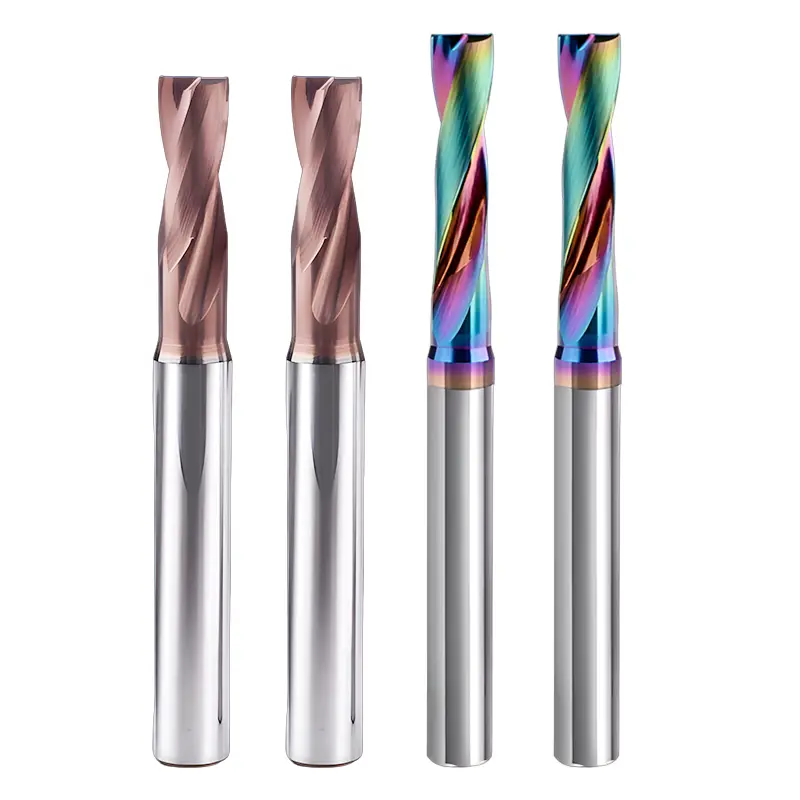
Key Operational Steps for Success:
-
Secure Workpiece & Pre-Mark: Firmly clamp the material to prevent movement. Accurately center-punch and mark the drilling point to guide the drill's flat geometry.
-
Select Correct Speed & Feed: Carbide can run at higher speeds than HSS but requires controlled feed pressure. Refer to the general guidelines below.
-
Use a Pilot Hole (For Larger Diameters): For holes above 6mm, drilling a smaller pilot hole significantly reduces stress, improves accuracy, and extends tool life.
-
Employ Consistent Coolant/Lubrication: Always use an appropriate cutting fluid to dissipate heat, reduce friction, and clear chips. This is non-negotiable for optimal Carbide Flathead Drill performance.
-
Apply Steady, Firm Pressure: Unlike twist drills, flathead styles require consistent pressure to engage the cutting edges. Avoid erratic or excessive force.
-
Clear Chips Frequently: Retract the drill periodically to evacuate chips from the hole, preventing binding, heat buildup, and potential tool breakage.
Recommended Starting Parameters (for Steel):
| Drill Diameter | Recommended RPM Range | Feed Pressure |
|---|---|---|
| 3mm - 5mm | 1500 - 2500 RPM | Light, Steady |
| 6mm - 10mm | 800 - 1500 RPM | Moderate, Firm |
| Above 10mm | 400 - 800 RPM | Strong, Consistent |
Carbide Flathead Drill FAQ
What is the primary advantage of a Carbide Flathead Drill over a standard cobalt drill?
The primary advantage lies in its superior hardness and heat resistance. Wangdefu Carbide Flathead Drills maintain their sharp cutting edge significantly longer under high-temperature conditions, such as when drilling hardened steel or stainless steel, leading to better finish quality, tighter tolerances, and lower long-term cost-per-hole.
Can I use a Carbide Flathead Drill in a regular hand-held drill?
It is not recommended for optimal results or safety. These drills perform best in a rigid, stationary setup like a drill press or milling machine. A hand-held drill can introduce vibration and run-out, which can cause premature chipping of the brittle carbide tip and result in an inaccurate hole.
How do I know when my Carbide Flathead Drill needs to be replaced or sharpened?
Clear signs include a noticeable increase in drilling force or noise, excessive heat generation even with coolant, poor hole surface finish (burrs, roughness), and visible wear or chipping on the cutting edges. For consistent optimal results, inspecting the cutting edges regularly is crucial.
Mastering the operation of your Carbide Flathead Drill transforms challenging drilling tasks into routine, precise operations. By adhering to these technical guidelines and trusting the robust design of Wangdefu tools, you invest in both immediate project success and long-term workshop productivity. For further technical specifications, material-specific charts, or to explore our full range of professional-grade drilling solutions, our experts are ready to assist.
Contact us today to find the perfect Wangdefu Carbide Flathead Drill for your specific application and elevate your craftsmanship.