

What are the safety tips when using a soldering gun
2025-12-23
Using a soldering gun is fundamental for many electrical and DIY projects. However, working with a tool that generates extreme heat and involves electricity requires strict safety measures. At Westul, we prioritize your well-being and project success. This guide outlines crucial safety practices to ensure every soldering session is both effective and secure. Adhering to these soldering gun safety tips protects you, your workspace, and your components.
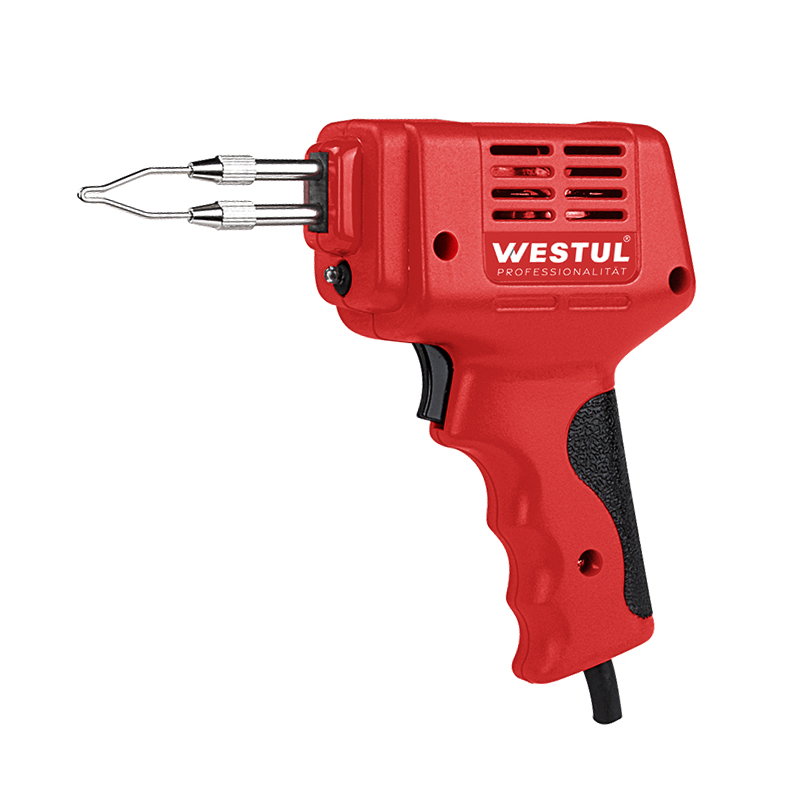
Top Safety Practices for Soldering Gun Operation
Always follow these key steps to minimize risk:
-
Personal Protective Equipment (PPE): Always wear safety glasses to shield your eyes from sparks or molten solder. Heat-resistant gloves are recommended for handling hot components.
-
Workspace Setup: Operate in a well-ventilated area to avoid inhaling fumes. Keep your station clean, organized, and free of flammable materials like paper or solvents.
-
Tool Handling & Care: Use a proper stand to hold the hot soldering gun when not in active use. Never leave it unattended while powered on. Regularly inspect the cord for damage.
-
Post-Use Protocol: Allow the gun to cool completely on its stand before storing it. Always unplug the unit after use.
Critical Factors for Safe Soldering
The table below highlights two major risk areas and how to mitigate them effectively:
| Hazard Category | Specific Risks | Westul-Recommended Precautions |
|---|---|---|
| Thermal & Fire | Burns, fire from flammable materials, damaged work surfaces. | Use a certified soldering mat. Have a fire extinguisher nearby. Keep a first-aid kit accessible. |
| Electrical & Fume | Electric shock, inhalation of toxic rosin-core solder fumes. | Ensure your hands are dry before use. Use a fume extractor or fan to direct smoke away. |
Soldering Gun FAQ: Your Safety Questions Answered
Q: Can I use a regular soldering gun for delicate electronics work?
A: It is not generally recommended. Standard soldering guns are often high-wattage and designed for heavier gauge wires, which can easily overheat and damage sensitive circuit boards or small components. For electronics, a low-wattage soldering iron with a fine tip is a safer and more precise choice.
Q: How often should I replace the tip of my soldering gun?
A: Tip longevity depends on usage and maintenance. A tip should be replaced when it becomes pitted, corroded, or no longer holds a clean coat of solder despite proper cleaning. Regularly tinning the tip (applying a fresh layer of solder) when hot and cleaning it with a damp sponge or brass coil after use will significantly extend its life.
Q: What should I do if my soldering gun tip gets oxidized and doesn't melt solder well?
A: Oxidation occurs from exposure to air at high temperatures. First, try cleaning the hot tip thoroughly on a damp sponge or brass wool. If it remains non-stick, apply fresh solder to "tin" the tip, covering the oxidized area. For severe oxidation, a tip rejuvenator or very fine sandpaper can be used gently, but this may shorten the tip's overall lifespan. Proper storage in a tip holder when cool helps prevent this issue.
Prioritizing safety transforms soldering from a hazardous task into a controlled and rewarding skill. By integrating these protocols into your routine, you ensure professional results and personal protection. For projects that demand reliability, trust the robust design and safety features of a Westul Soldering Gun. Have more specific questions about technique or choosing the right tool?
Contact us today for expert advice and to explore our range of professional-grade soldering solutions.