

What are the main advantages of a straight flute reamer for precision machining
2026-01-21
In the world of precision machining, achieving perfect, round, and dimensionally accurate holes is non-negotiable. While many tools can enlarge a hole, few can deliver the consistent finish and tolerance of a well-chosen reamer. Among the various types, the Straight Flute Reamer stands out for its unique capabilities, especially when working with specific materials and achieving exceptional surface finishes. At WDF, our decades of engineering expertise have shown that understanding this tool's core advantages is key to unlocking superior results in demanding applications.
The primary benefits of using a Straight Flute Reamer are rooted in its simple, robust design. Unlike spiral fluted counterparts, its straight cutting edges provide distinct operational strengths.
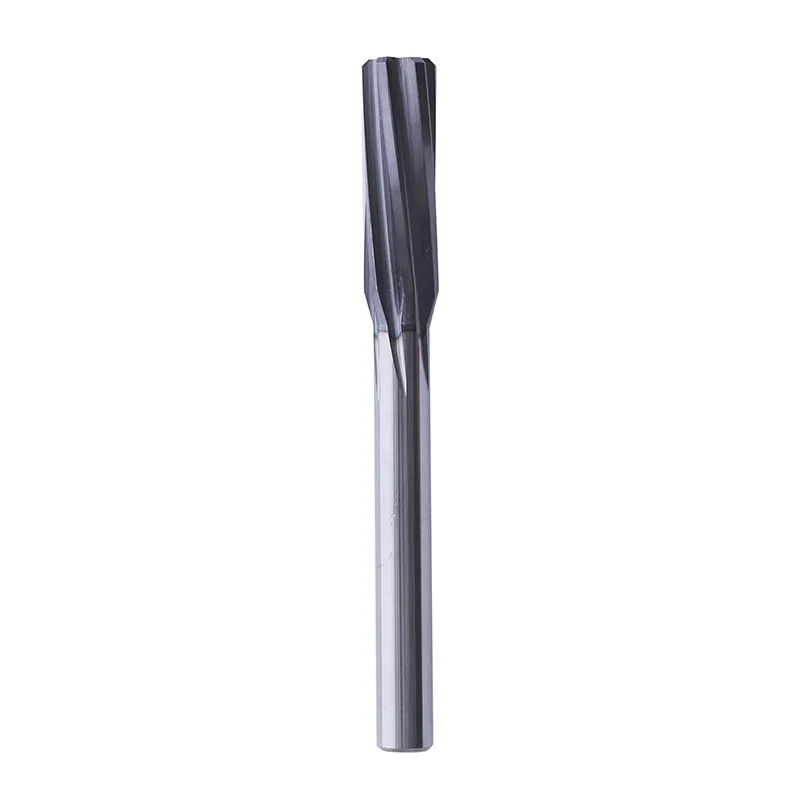
Key Advantages:
-
Superior Surface Finish on Soft Materials: The straight geometry shears the material cleanly in short chips, preventing the "threading" effect common with spiral flutes in softer, gummier metals like aluminum and brass. This results in a remarkably smooth, burnished hole wall.
-
Exceptional Dimensional Stability & Accuracy: The design offers great rigidity, minimizing deflection during the cut. This translates to exceptional control over hole size and roundness, crucial for meeting tight tolerances.
-
Reduced Risk of Chatter: In certain through-hole applications and with materials that produce short chips, the straight flute design can be less prone to harmonic vibration, promoting a smoother cutting action.
-
Ease of Sharpening & Maintenance: The straight cutting edges are significantly easier to inspect and re-sharpen accurately compared to complex spiral flutes, extending the tool's life and preserving precision.
The following table summarizes the ideal application scenarios for a Straight Flute Reamer compared to a spiral flute style:
| Application Factor | Straight Flute Reamer | Spiral Flute Reamer |
|---|---|---|
| Best for Materials | Aluminum, Brass, Copper, Soft Steels | Stringy Steels, Cast Iron, Tough Alloys |
| Chip Evacuation | Excellent for short chips (through holes) | Superior for long chips (blind holes) |
| Primary Strength | Surface Finish & Dimensional Accuracy | Chip Clearing & Tool Strength |
Straight Flute Reamer FAQ
Q: Can a straight flute reamer be used for blind holes?
A: It is not generally recommended. The straight flutes are less effective at ejecting chips upward out of a blind hole. Accumulated chips can score the finished surface and potentially damage the tool. For blind holes, a spiral flute reamer is typically the better choice.
Q: How do I achieve the best finish with a straight flute reamer from WDF?
A: For optimal results, use a proper guide bushing or a precisely machined pilot hole. Ensure adequate cutting fluid to lubricate and cool the cut. Finally, maintain a slow, steady feed rate—rushing the cut is the most common cause of poor finish with these tools.
Q: Why would I choose a WDF straight flute reamer over a cheaper import?
A: WDF reamers are manufactured from premium high-speed steel and subjected to rigorous heat treatment processes. This ensures not only initial sharpness but also sustained wear resistance. Our precise grinding guarantees each flute is identical, providing balanced cutting action that is essential for the true roundness and consistent diameter our customers rely on.
If you are looking to enhance the precision and quality of your hole-making operations, selecting the right tool is paramount. The WDF team is ready to help you determine if a Straight Flute Reamer is the optimal solution for your specific material and tolerance requirements. Contact us today for a technical consultation or to explore our full catalog of precision cutting tools.