

What Are The Advantages Of Using ISO Extended Spiral Point Taps In Ductile Materials
2026-01-29
When machining ductile materials like mild steel, aluminum, and certain stainless steels, efficient chip evacuation is the single greatest challenge. This is where Wilson ISO Extended Spiral Point Taps become a transformative tool. Engineered to the rigorous ISO standards for dimensional consistency, these taps feature a specialized spiral point geometry that proactively pushes chips forward, ahead of the cutting action. This fundamental design principle unlocks significant performance advantages in gummy, long-chipping materials, directly impacting productivity, tool life, and thread quality.
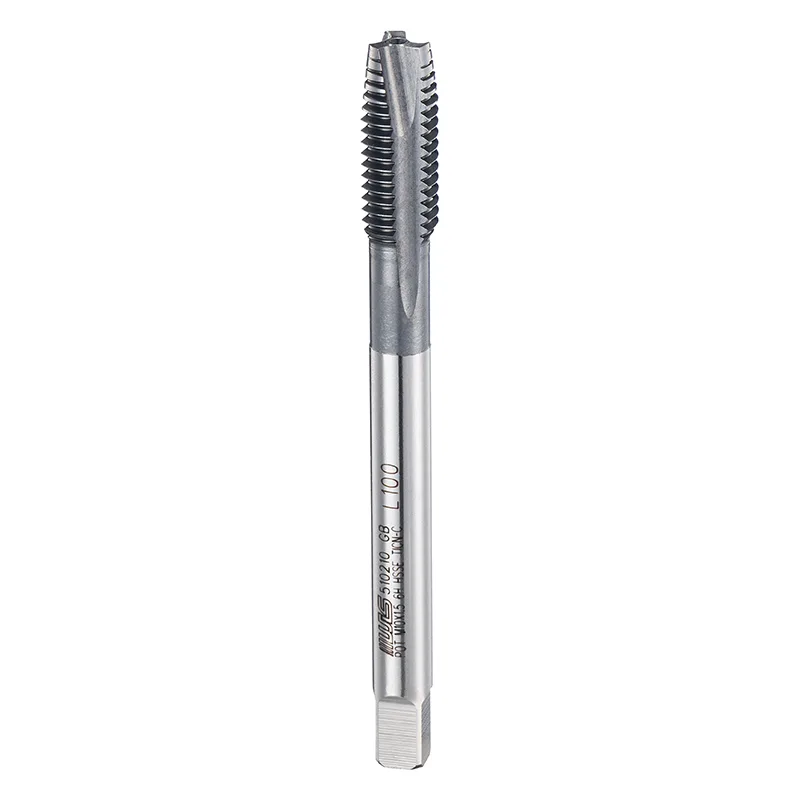
The core benefits of using Wilson ISO Extended Spiral Point Taps in ductile materials can be summarized in three key areas:
-
Superior Chip Evacuation: The angled flute design mechanically drives chips forward into the pre-drilled hole, preventing them from packing in the flutes and jamming the tap.
-
Reduced Tapping Torque: By eliminating chip recutting and friction within the flutes, required machining torque is significantly lower, reducing stress on both the tool and the machine.
-
Enhanced Thread Quality & Tool Life: Clean chip flow minimizes the risk of chip welding and scratching the newly formed threads, leading to better surface finishes and extended tap durability.
For a direct comparison, consider the operational impact versus a standard hand tap:
| Feature | Wilson ISO Extended Spiral Point Tap | Standard Hand Tap (Straight Flute) |
|---|---|---|
| Chip Flow | Forward, into the hole | Upwards or curls within flutes |
| Risk of Jam | Very Low in through-holes | High in ductile materials |
| Ideal Application | Through-holes in ductile materials | Brittle materials or non-ferrous metals |
| Typical Result | Consistent performance, longer life | Frequent breakage, thread galling |
ISO Extended Spiral Point Taps FAQ
Q: Can ISO Extended Spiral Point Taps be used for blind holes?
A: It is not generally recommended. Since these taps push chips forward, they will compact chips at the bottom of a blind hole, which can lead to increased pressure, poor thread finish, and potential tap breakage. For blind holes in ductile materials, a spiral flute tap designed to lift chips out is the correct choice from the Wilson portfolio.
Q: How does the ISO standardization benefit me when ordering these taps?
A: ISO standardization guarantees critical dimensional uniformity—like major diameter, pitch, and flute form—across all manufacturers adhering to the standard. This ensures that when you select a Wilson ISO Extended Spiral Point Tap, you receive a tool with predictable performance that is also interchangeable with other ISO-compliant tooling systems, simplifying inventory and procurement.
Q: What is the most critical factor for success with these taps in stainless steel?
A: While the tap design is crucial, preparation is key. Ensure the pre-drilled hole is correctly sized (typically at the high limit of the minor diameter tolerance) and use a high-quality, extreme pressure lubricant. The combination of a proper hole, ample lubrication, and the chip-evacuating power of the Wilson tap prevents work hardening and galling in challenging materials like 304 or 316 stainless.
In conclusion, selecting the right tap geometry is paramount for efficient machining. For through-hole applications in ductile materials, Wilson ISO Extended Spiral Point Taps offer a proven solution to overcome chip-related problems, ensuring smoother operations, superior threads, and lower cost per thread. Their standardized design provides reliability and interchangeability, making them an essential component in any precision machining toolkit.
Contact us today to discuss your specific application needs. Our Wilson technical specialists are ready to help you select the optimal ISO Extended Spiral Point Tap to maximize your machining efficiency and output quality.