

How to Sharpen a Carbide Flathead Drill Bit Properly
2026-01-05
A dull Carbide Flathead Drill can compromise precision, increase material wear, and lead to costly breakage. Proper sharpening is not just maintenance; it's an essential skill for extending tool life and ensuring optimal performance. At Wangdefu, we understand that the superior initial quality of our carbide tools must be matched with proper care. This guide will walk you through the correct, professional method to restore your drill bit's cutting edge efficiently and safely.
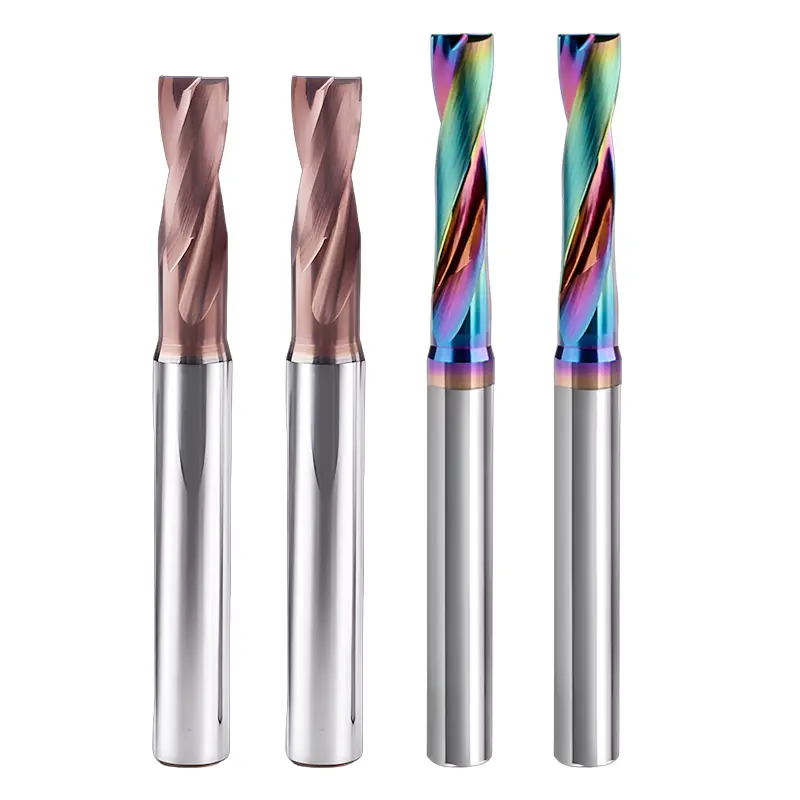
Essential Tools & Setup for Sharpening
Before you begin, gather the right equipment. Sharpening carbide requires diamond abrasives due to the material's extreme hardness.
-
Diamond Wheel Bench Grinder (100-200 grit recommended)
-
Coolant or Water Spray Bottle (to prevent overheating)
-
Safety Gear: Gloves and ANSI-approved Safety Glasses
-
A Stable Workbench with Proper Lighting
Step-by-Step Sharpening Procedure
Follow these steps meticulously to achieve a precise edge.
-
Safety First: Secure the grinder and put on all safety gear.
-
Examine the Bit: Identify the dulled or chipped areas on the Carbide Flathead Drill under good light.
-
Angle & Alignment: Maintain the original point angle (typically 118° or 135°). Use a tool rest or jig to hold the bit consistently. The table below outlines key angles.
| Drill Bit Feature | Target Angle | Purpose |
|---|---|---|
| Primary Point Angle | 118° (General Purpose) | Balances penetration and strength. |
| Primary Point Angle | 135° (Harder Materials) | Provides better web strength for steel. |
| Lip Relief Angle | 7° - 12° | Prevents heel drag and allows clean cutting. |
-
Light Grinding: Apply the drill's cutting lip lightly to the diamond wheel. Use a steady, sweeping motion and constantly cool the bit with water to avoid thermal cracking.
-
Equal Pressure: Sharpen both cutting lips for the same duration to ensure the point remains centered. An off-center point will cause the drill to wander and produce oversized holes.
-
Deburr & Test: After grinding, lightly remove any burr from the cutting edges. Test the resharpened Carbide Flathead Drill on a scrap piece of material to verify clean cutting.
Carbide Flathead Drill FAQ
Q: Can I sharpen a Carbide Flathead Drill with a standard aluminum oxide grinding wheel?
A: No, it is highly ineffective and can damage the bit. Carbide is much harder than standard abrasive wheels. You must use a diamond-coated wheel specifically designed for carbide tooling to achieve a clean, sharp edge.
Q: How often should I sharpen my carbide drill bits?
A: Sharpen at the first sign of performance decline—increased drilling force, slower penetration, poor hole finish, or excessive heat generation. Regular light sharpening is better than waiting for severe dullness or damage.
Q: What is the most common mistake when sharpening these drills manually?
A: The most critical error is overheating the bit, which causes micro-cracks (thermal checking) that lead to premature failure. The second is failing to grind both lips equally, resulting in an unbalanced cutting action and inaccurate holes.
Maintaining your tools is an investment in quality and efficiency. The Wangdefu commitment to excellence extends beyond providing premium Carbide Flathead Drills; we aim to empower your craftsmanship with actionable knowledge. For further technical guidance or to explore our durable range of precision carbide tools, our experts are ready to assist. Contact us today to ensure your toolkit performs at its peak.