

How to Select and Use Insulated Terminals for Industrial Applications?
2025-12-24
Abstract: Insulated terminals are critical components in electrical systems, providing safe and reliable connections. This article explores the selection, specifications, applications, and common questions regarding insulated terminals to help engineers, electricians, and industrial users make informed decisions. The focus is on practical usage, detailed technical parameters, and optimization for industrial and commercial wiring solutions.
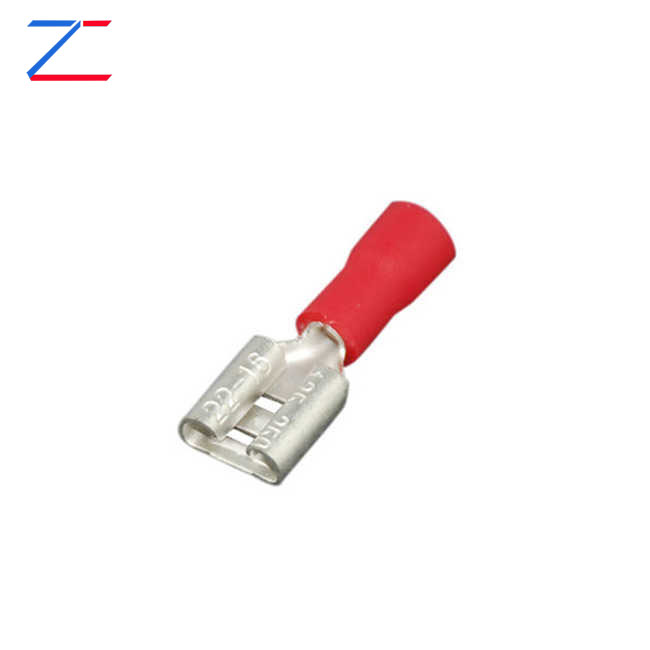
Table of Contents
- Introduction to Insulated Terminals
- Specifications and Technical Parameters
- How to Properly Use Insulated Terminals?
- Insulated Terminal FAQ
- Conclusion and Brand Information
Introduction to Insulated Terminals
Insulated terminals are connectors used to terminate wires and ensure secure electrical connections while preventing accidental contact with exposed conductors. They are widely applied in industrial machinery, automotive systems, household appliances, and renewable energy setups. The main purpose of this article is to provide an exhaustive guide on selecting and implementing insulated terminals, including technical specifications, installation practices, and troubleshooting common issues.
Insulated terminals offer the following advantages in wiring systems:
- Electrical insulation to prevent short circuits
- Durable mechanical connection
- Compatibility with multiple wire gauges
- Resistance to environmental factors such as moisture, vibration, and corrosion
Specifications and Technical Parameters
Choosing the right insulated terminal requires understanding several key parameters that influence performance. Below is a table outlining typical specifications for high-quality insulated terminals:
| Parameter | Description | Typical Range |
|---|---|---|
| Wire Gauge Compatibility | The range of wire sizes that the terminal can accommodate. | 16-10 AWG (1.5-6 mm²) |
| Insulation Material | Material used for terminal insulation to ensure electrical protection. | Polyvinyl Chloride (PVC), Nylon, Polyethylene |
| Rated Voltage | Maximum operating voltage the terminal can safely handle. | 300V - 600V |
| Rated Current | Maximum current the terminal can carry safely. | 10A - 50A depending on terminal type |
| Operating Temperature | Temperature range within which the terminal operates reliably. | -40°C to 105°C |
| Material of Terminal Conductor | Metal used for the conductive portion of the terminal. | Copper, Tin-Plated Copper |
| Color Coding | Insulation color indicating wire gauge size for standard compliance. | Red, Blue, Yellow |
How to Properly Use Insulated Terminals?
Proper installation ensures reliable electrical performance and long-term durability. The following steps outline the recommended procedure for using insulated terminals:
Step 1: Select the Correct Terminal Type
Determine the terminal type based on wire size, current rating, and application. Standard types include ring terminals, spade terminals, butt connectors, and fork terminals.
Step 2: Strip the Wire Insulation
Use a wire stripper to remove the appropriate length of insulation without damaging the conductor strands. The stripped length should match the metal barrel of the terminal.
Step 3: Insert Wire into Terminal
Ensure the conductor is fully inserted into the metal barrel of the terminal. Misalignment can reduce conductivity and mechanical strength.
Step 4: Crimp the Terminal Securely
Use a suitable crimping tool to compress the barrel tightly around the wire. Test for secure attachment by gently pulling on the wire.
Step 5: Verify Insulation Integrity
Check that insulation covers the exposed metal and that the terminal provides no risk of short-circuiting adjacent conductors.
Insulated Terminal FAQ
How do insulated terminals differ from non-insulated terminals?
Insulated terminals provide an additional protective layer of insulation around the metal conductor, preventing accidental electrical contact. Non-insulated terminals lack this safety feature and require extra caution during handling.
What factors determine the lifespan of an insulated terminal?
The lifespan depends on electrical load, environmental conditions, insulation material quality, and mechanical stress. Proper installation and selecting the correct type for the application significantly extend terminal longevity.
Can insulated terminals be reused?
Reusing insulated terminals is generally not recommended because the crimping process permanently deforms the metal barrel. Reusing may compromise electrical connectivity and mechanical stability, leading to potential failure.
Conclusion and Brand Information
Insulated terminals are indispensable for safe, reliable, and efficient electrical connections in diverse industrial and commercial applications. By understanding technical specifications, installation practices, and frequently asked questions, professionals can optimize wiring performance while reducing risks. Zhechi specializes in high-quality insulated terminals designed for rigorous industrial standards, ensuring consistent performance across various environments. For detailed product inquiries or bulk orders, contact us today for professional guidance and support.