

How To Design And Implement Positioning Tooling Fixtures For Assembly Line Efficiency
2026-01-09
Achieving peak assembly line efficiency hinges on one critical, often overlooked component: the Positioning Tooling Fixtures. These specialized devices are the unsung heroes that hold, locate, and secure parts with unwavering precision, directly impacting cycle time, quality, and operator safety. At ZHIHEXING, we understand that a well-designed fixture is not just a tool but a strategic asset. This guide outlines a professional framework for designing and implementing these fixtures to maximize your production throughput.
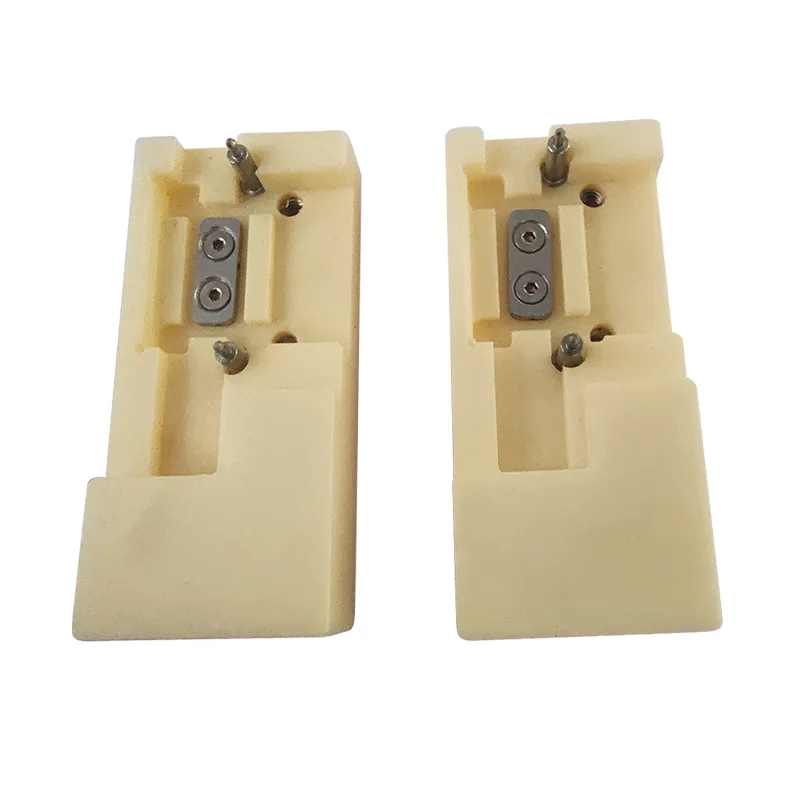
The design process is methodical and must begin with a clear understanding of the assembly requirements. Here is a step-by-step approach:
-
Define Requirements: Document the part geometry, required tolerances, access points for tools, and ergonomic needs for the operator.
-
Select the Principle: Choose a locating scheme (3-2-1 or N-2-1) based on the part's stability and machining datums.
-
Design for Function & Speed: Incorporate quick-acting clamps, pneumatic or hydraulic actuators, and fool-proofing (Poka-Yoke) features to prevent misloading.
-
Prototype and Validate: Test the fixture with sample parts to identify interferences and validate repeatability before full-scale manufacturing.
A key to efficiency is selecting the right balance between flexibility and dedicated purpose. The table below compares common approaches:
| Fixture Type | Best For | Key Advantage | Typical Efficiency Gain |
|---|---|---|---|
| Dedicated Fixtures | High-volume, single-part production | Maximum precision and speed | 25-40% cycle time reduction |
| Modular Fixtures | Low-volume, high-mix batches | Rapid changeover and reusability | Up to 70% faster setup time |
| Custom Hybrid Systems | Complex assemblies with multiple variants | Tailored automation integration | Improves consistency and reduces human error |
Positioning Tooling Fixtures FAQ
What are the most common mistakes in fixture design that hurt efficiency
The most critical errors are over-constraining the part, which causes distortion; poor ergonomics that slow down the operator; and neglecting swarf or chip management, leading to downtime for cleaning.
How often should Positioning Tooling Fixtures be maintained and calibrated
A strict preventive maintenance schedule is essential. For high-precision work, calibration checks should be performed quarterly. For standard assemblies, a bi-annual inspection of locators, clamps, and wear surfaces is recommended to prevent gradual quality drift.
Can existing fixtures be retrofitted to improve efficiency
Absolutely. Partnering with an expert like ZHIHEXING often allows for cost-effective retrofits. Upgrading manual clamps to quick-release systems, adding guide pins for faster loading, or integrating simple sensors for verification can significantly boost the performance of your current Positioning Tooling Fixtures.
Implementing the right Positioning Tooling Fixtures is a direct investment in your assembly line's productivity and output quality. A strategic design focused on speed, accuracy, and operator ease will deliver a rapid return on investment through reduced labor costs and minimized defects.
Ready to design fixtures that drive your efficiency forward? Contact us at ZHIHEXING today for a consultation with our engineering team. Let us help you build the foundation for a faster, more reliable production process.