

How to Choose Wooden Cutlery?
2026-01-09
Article Summary
Wooden cutlery has become an increasingly practical choice for food service providers, retailers, and environmentally conscious consumers seeking reliable alternatives to conventional disposable utensils. This in-depth article explains how to choose wooden cutlery by addressing common customer pain points such as durability, food safety, compliance, usability, and long-term value. It also explores manufacturing considerations, application scenarios, and quality indicators, helping decision-makers make informed purchasing choices with confidence.
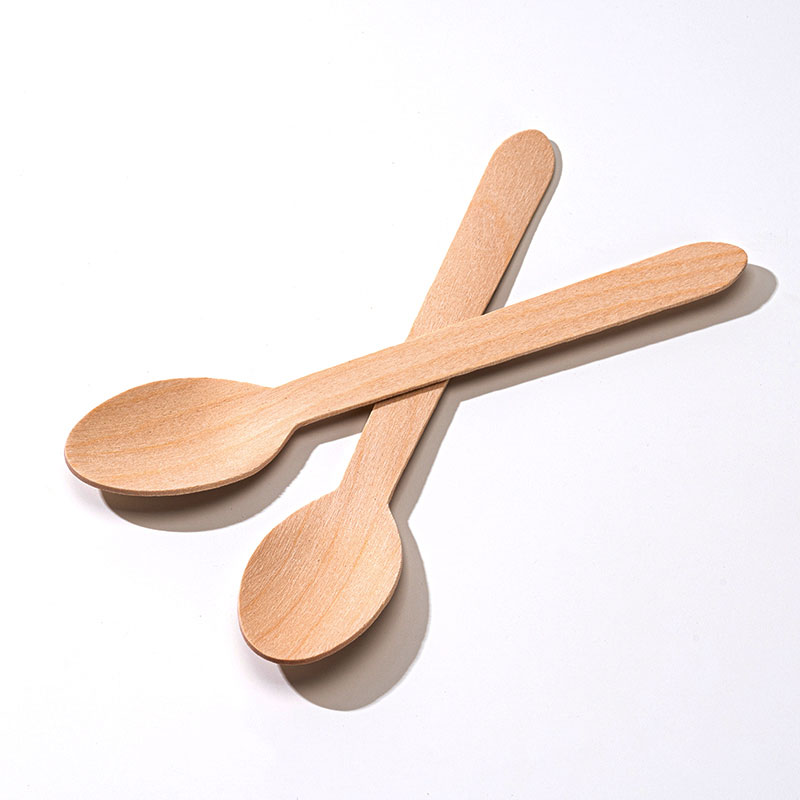
Table of Contents
- Article Outline
- Understanding Market Demand for Wooden Cutlery
- Key Customer Pain Points and Practical Solutions
- Materials and Production Processes Explained
- Quality, Safety, and Compliance Considerations
- Application Scenarios Across Industries
- Step-by-Step Wooden Cutlery Selection Guide
- Wooden Cutlery vs Other Disposable Options
- Frequently Asked Questions
- Conclusion and Business Cooperation
Article Outline
- Market trends driving the adoption of wooden cutlery
- Common purchasing concerns and how to address them
- Raw materials and manufacturing processes
- Safety, performance, and regulatory expectations
- Usage scenarios in food service, retail, and events
- A structured approach to selecting the right product
- Comparative analysis with alternative materials
- Practical answers to frequently asked questions
Understanding Market Demand for Wooden Cutlery
The global food service and takeaway industries continue to evolve as businesses and consumers seek more responsible dining solutions. Wooden cutlery has gained strong acceptance due to its natural appearance, reliable performance, and compatibility with modern dining expectations. From quick-service restaurants to catering companies and airlines, demand is driven by a combination of regulatory pressure, brand image considerations, and user experience requirements.
Unlike plastic utensils, wooden cutlery offers a tactile, neutral feel that does not interfere with food taste. It also aligns well with premium and natural brand positioning, making it suitable for both everyday use and upscale events. Understanding this demand landscape is the first step toward making informed procurement decisions.
Key Customer Pain Points and Practical Solutions
Despite growing popularity, buyers often encounter several challenges when sourcing wooden cutlery. Addressing these pain points early can prevent costly mistakes and operational disruptions.
- Inconsistent quality: Poorly processed wood can lead to splintering or rough edges.
- Strength concerns: Some products bend or break when used with heavier foods.
- Food safety doubts: Improper finishing may raise hygiene concerns.
- Supply reliability: Inconsistent delivery timelines can affect operations.
Working with experienced manufacturers such as Qingdao Want paper helps mitigate these risks through standardized production, controlled raw material sourcing, and consistent quality checks. Clear specifications and sample testing are also essential before bulk orders.
Materials and Production Processes Explained
Wooden cutlery is typically manufactured from fast-growing, renewable wood species such as birch or poplar. These materials are selected for their balance of strength, smooth grain, and suitability for food contact.
The production process generally includes the following stages:
- Log selection and cutting
- Drying to control moisture content
- Precision shaping and molding
- Sanding and surface finishing
- Heat treatment or polishing for smoothness
- Final inspection and packaging
Each step plays a critical role in ensuring the final product performs well during actual use. Attention to moisture control and surface treatment directly affects durability and user comfort.
Quality, Safety, and Compliance Considerations
For food-related products, safety and consistency are non-negotiable. High-quality wooden cutlery should meet applicable food contact standards and undergo thorough inspections to ensure it is free from chemical residues, sharp edges, or defects.
Key indicators of reliable quality include uniform thickness, smooth surfaces, neutral odor, and stable structural integrity. Reputable suppliers typically provide clear documentation, traceable production batches, and transparent quality control procedures.
Application Scenarios Across Industries
Wooden cutlery is versatile and suitable for a wide range of applications:
- Takeaway and delivery services
- Catering and banquet events
- Airlines and rail services
- Eco-themed restaurants and cafés
- Retail and private-label packaging
Selecting the correct design and thickness ensures optimal performance across these scenarios. For example, heavier meals may require reinforced forks or knives, while dessert applications can use lighter options.
Step-by-Step Wooden Cutlery Selection Guide
A structured approach simplifies the purchasing process:
- Define usage scenarios and meal types
- Confirm material and finish requirements
- Evaluate strength and comfort through samples
- Review supplier production capacity and lead times
- Assess packaging options and branding needs
By following these steps, buyers can align product specifications with operational needs while maintaining consistent user experience.
Wooden Cutlery vs Other Disposable Options
| Criteria | Wooden Cutlery | Plastic Cutlery | Paper Cutlery |
|---|---|---|---|
| Durability | High for most food types | Variable | Moderate |
| User Experience | Smooth, natural feel | Artificial texture | Softens with moisture |
| Food Compatibility | Hot and cold foods | Hot foods may deform | Limited with liquids |
| Brand Perception | Natural and premium | Conventional | Minimalist |
Frequently Asked Questions
Is wooden cutlery suitable for hot foods?
Yes, properly processed wooden cutlery performs well with hot meals and does not transfer heat quickly, providing comfortable handling.
Does wooden cutlery affect food taste?
High-quality products are neutral in odor and taste, ensuring the original flavor of food remains unchanged.
Can wooden cutlery be customized?
Many manufacturers offer customization options such as size variations, packaging formats, and private labeling to meet different market needs.
How should wooden cutlery be stored?
It should be kept in a dry, ventilated environment away from excessive humidity to maintain structural integrity.
Conclusion and Business Cooperation
Choosing the right wooden cutlery requires careful consideration of materials, production quality, application requirements, and supplier reliability. When these factors are aligned, wooden cutlery delivers consistent performance, customer satisfaction, and long-term operational value.
Qingdao Want paper continues to support global partners with stable supply capabilities, professional manufacturing standards, and practical solutions tailored to diverse food service needs. If you are evaluating wooden cutlery options for your business or seeking a dependable long-term partner, contact us to explore customized solutions and competitive cooperation opportunities.