

How to Choose the Right Reaming Tool for Your Machining Project
2025-12-24
Selecting the perfect Reaming Tools is a critical decision that directly impacts the precision, surface finish, and efficiency of your machining operations. With countless options available, making the wrong choice can lead to costly inaccuracies and tool failure. At WDF, we understand these challenges and are dedicated to providing not only superior tools but also the expert knowledge to help you make an informed decision. This guide will walk you through the key factors to consider, ensuring your next project achieves flawless results.
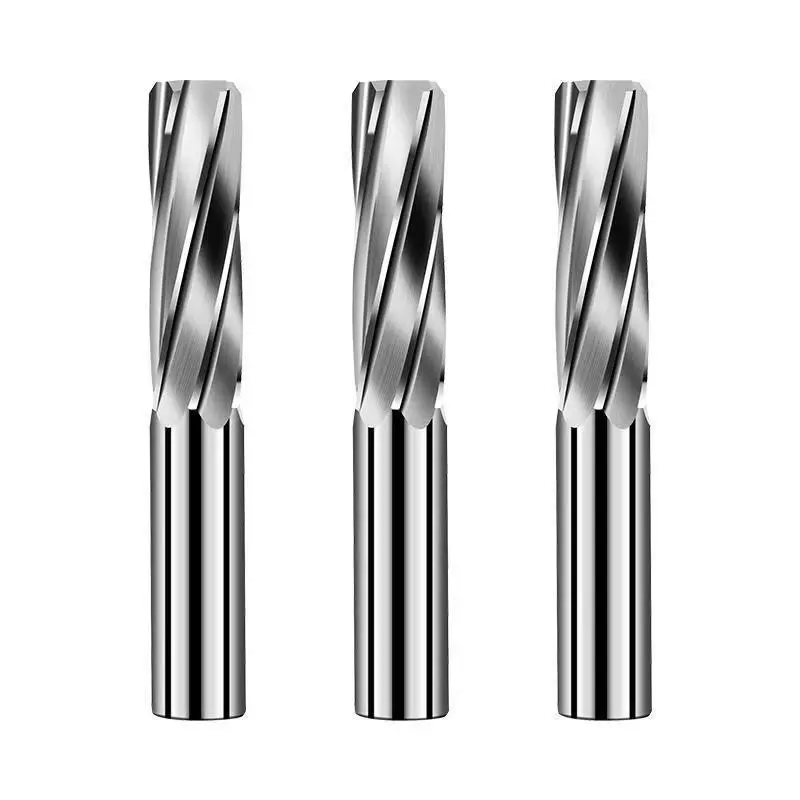
The selection process hinges on several interdependent variables. Follow this structured approach:
1. Define the Application Requirements:
-
Material: The workpiece material (e.g., steel, aluminum, cast iron) dictates the tool material.
-
Hole Specifications: Required diameter, depth, tolerance (IT grade), and surface finish (Ra value).
-
Operation Type: Is it a manual, CNC, or transfer line application?
2. Select the Appropriate Reamer Type:
Based on your requirements, choose from these common types:
| Reamer Type | Best For | Key Advantage |
|---|---|---|
| Hand Reamers | Manual finishing, maintenance, low-volume work. | Ease of use, excellent for alignment correction. |
| Machine Reamers | CNC machining centers, drill presses, high-volume production. | Superior rigidity, consistent performance under power. |
| Adjustable Reamers | Sizing for non-standard diameters or compensating for tool wear. | Versatility and extended tool life through adjustment. |
| Carbide Reamers | Abrasive materials, high-speed machining, long production runs. | Extreme wear resistance and heat tolerance. |
3. Consider Critical Tool Specifications:
-
Tool Material: High-Speed Steel (HSS) for versatility, Carbide for hardness and wear resistance.
-
Flute Design: Straight flutes for general purposes; spiral flutes (left- or right-hand) for better chip evacuation in blind or through holes.
-
Coating: TiN, TiCN, or AlTiN coatings from WDF can dramatically reduce friction and increase tool life.
Reaming Tools FAQ
Q: Can a reamer correct the location of a misaligned hole?
A: No, a standard reamer will follow the existing hole path. It primarily improves size, tolerance, and finish. To correct alignment, a previous boring operation or a piloted reamer is required. WDF offers guided reaming solutions for such precision challenges.
Q: What is the recommended pre-reaming hole preparation?
A: For optimal results, the pre-reamed hole should be within 0.005" to 0.015" (0.127mm to 0.381mm) undersize of the final reamer diameter. This ensures the reamer cuts cleanly without excessive load. Always refer to the specific WDF reamer's technical data sheet for precise recommendations.
Q: Why is coolant choice and application so important for reaming?
A: Proper coolant is crucial for lubricating the cutting edges, dissipating heat, and flushing away chips. Inadequate cooling leads to built-up edge, poor surface finish, and premature tool wear. WDF experts recommend using a high-quality, free-cutting oil or appropriate water-soluble coolant directed at the tool's cutting faces.
Choosing the right Reaming Tools is an investment in quality and productivity. By systematically evaluating your project needs against tool capabilities, you can unlock new levels of precision. As a leader in cutting tool technology, WDF provides a comprehensive range of premium Reaming Tools, backed by deep engineering support to ensure your success.
Contact us today to discuss your specific application. Our technical specialists will help you select the ideal WDF Reaming Tool to optimize your machining process and deliver perfect holes, every time.