

How to Choose the Right Kydex Holster for Your Needs?
2026-03-18
Article Summary
Selecting the right Kydex holster is essential for safety, comfort, and long-term performance. Many users struggle with poor fit, inadequate retention, or discomfort during daily carry. This article provides a structured and practical guide to understanding Kydex holsters, their advantages, key parameters, and how to choose the most suitable option based on specific usage scenarios. A detailed comparison table, step-by-step guidance, and frequently asked questions are included to address common concerns.
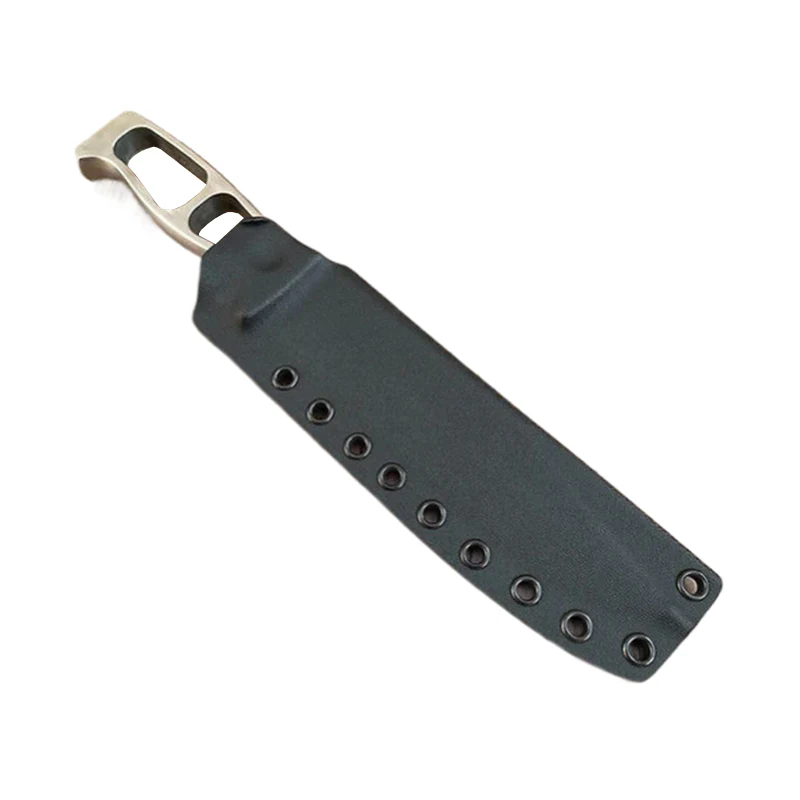
Table of Contents
- Introduction to Kydex Holsters
- Key Benefits and Common Pain Points
- How to Evaluate a Kydex Holster
- Product Parameters Overview
- Application Scenarios
- Selection Checklist
- Maintenance and Care Tips
- FAQ
- Conclusion
Introduction to Kydex Holsters
Kydex holsters are made from thermoplastic acrylic-polyvinyl chloride materials, known for their durability, rigidity, and resistance to environmental factors. Unlike traditional leather holsters, Kydex provides a consistent shape and retention over time, making it a preferred choice for professionals and everyday users.
The primary advantage lies in precision molding. Each holster is formed to match the exact dimensions of a specific firearm model, ensuring a secure fit and reliable draw. However, not all Kydex holsters are created equal, and selecting the wrong one can lead to discomfort, poor retention, or safety risks.
Key Benefits and Common Pain Points
Benefits
- Durability: Resistant to moisture, sweat, and extreme temperatures.
- Retention: Adjustable retention ensures secure firearm positioning.
- Low Maintenance: Easy to clean and does not deform over time.
- Fast Draw: Smooth interior allows efficient access.
Common Pain Points
- Uncomfortable edges causing skin irritation
- Excessive retention making draw difficult
- Poor mounting systems affecting stability
- Noise during movement due to rigid material
How to Evaluate a Kydex Holster
1. Retention System
A high-quality Kydex holster should feature adjustable retention screws. This allows users to fine-tune the draw resistance according to personal preference.
2. Material Thickness
Typical Kydex thickness ranges from 0.06" to 0.093". Thicker materials offer greater durability, while thinner options improve concealability.
3. Edge Finishing
Smooth, polished edges are essential for comfort, especially for inside-the-waistband (IWB) carry.
4. Mounting Options
- Belt clips
- Paddle attachments
- MOLLE compatibility
5. Concealment Design
Features such as claw attachments or adjustable cant angles improve concealment efficiency.
Product Parameters Overview
| Parameter | Description |
|---|---|
| Material | Kydex Thermoplastic |
| Thickness | 0.06" - 0.093" |
| Retention Type | Adjustable Screw Retention |
| Carry Position | IWB / OWB / Appendix |
| Attachment Type | Belt Clip / Paddle / MOLLE |
| Finish | Smooth Polished Edges |
| Customization | Color, Pattern, Cant Angle |
Application Scenarios
Everyday Carry (EDC)
For daily concealed carry, lightweight and slim-profile Kydex holsters are ideal. Look for features like adjustable cant and concealment claws.
Law Enforcement and Tactical Use
Durability and quick access are critical. Holsters with reinforced mounting systems and high retention are recommended.
Outdoor Activities
Weather resistance is key. Kydex performs well in humid, wet, or dusty environments.
Selection Checklist
- Confirm compatibility with firearm model
- Check retention adjustability
- Evaluate comfort for extended wear
- Inspect edge finishing quality
- Choose suitable carry position
- Verify attachment stability
Maintenance and Care Tips
- Clean regularly with mild soap and water
- Avoid prolonged exposure to extreme heat
- Inspect screws and tighten periodically
- Check for debris inside the holster
FAQ
1. Are Kydex holsters better than leather?
Kydex holsters offer superior durability and retention consistency. Leather holsters may provide more comfort initially but can deform over time.
2. Can Kydex holsters damage firearms?
Kydex may cause minor surface wear due to its rigid structure, but it does not affect functionality. Proper fit reduces friction.
3. How do I adjust retention?
Most Kydex holsters include screws near the trigger guard area. Tightening increases retention, while loosening reduces it.
4. Is Kydex suitable for concealed carry?
Yes, Kydex is widely used for concealed carry due to its slim profile and customizable features.
Conclusion
Choosing the right Kydex holster requires careful evaluation of material quality, retention system, comfort, and application scenario. A well-designed holster enhances safety, improves accessibility, and ensures long-term reliability. As a trusted manufacturer, Wetac focuses on precision engineering and customizable solutions to meet diverse user requirements.
For tailored Kydex holster solutions and professional support, explore the product range and specifications. If you are looking for reliable manufacturing and consistent quality, contact us today to discuss your requirements and receive expert assistance.