

How to Choose the Right Glass Cleaning Brush for Professional and Home Use?
2026-01-13
Article Abstract
Cleaning glass surfaces effectively without leaving streaks, scratches, or residue remains a common challenge for both households and commercial facilities. A glass cleaning brush plays a critical role in improving efficiency, safety, and final cleaning results when dealing with windows, mirrors, shower doors, storefront glass, and industrial panels. This article provides a comprehensive guide on how to select the right Glass Cleaning Brush based on material, structure, application scenarios, and maintenance requirements. It is designed to address real customer pain points while offering practical, experience-based guidance for long-term use.
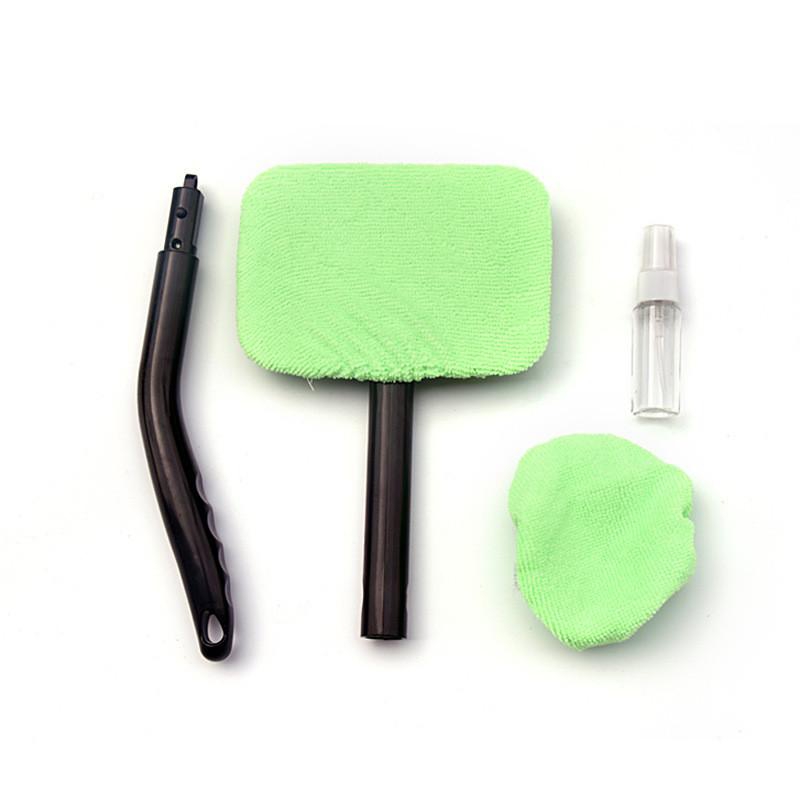
Table of Contents
- Article Outline
- Common Glass Cleaning Challenges
- What Is a Glass Cleaning Brush?
- Key Factors When Choosing a Glass Cleaning Brush
- Application Scenarios and Use Cases
- Glass Cleaning Brush Types Comparison
- Proper Usage and Maintenance Tips
- Frequently Asked Questions
Article Outline
- Identify the main problems users face when cleaning glass surfaces
- Explain the function and structure of a glass cleaning brush
- Analyze critical selection criteria
- Compare different brush types for various environments
- Provide practical maintenance and usage recommendations
Common Glass Cleaning Challenges
Glass surfaces are visually unforgiving. Even minor cleaning errors can result in streaks, watermarks, or micro-scratches that reduce transparency and overall appearance. Typical challenges include:
- Stubborn dirt, grease, and mineral deposits that are difficult to remove
- Scratching caused by improper cleaning tools
- Uneven pressure leading to streaks or cloudy finishes
- Limited reach when cleaning high or narrow glass areas
- Time-consuming manual wiping with inconsistent results
These issues highlight the importance of selecting a purpose-built Glass Cleaning Brush rather than relying on generic cleaning tools.
What Is a Glass Cleaning Brush?
A Glass Cleaning Brush is a specialized cleaning tool designed to remove dirt, dust, and residues from glass surfaces efficiently while minimizing the risk of damage. Unlike abrasive sponges or disposable cloths, it is engineered with controlled bristle softness, ergonomic handles, and optimized contact angles to deliver consistent results.
Modern glass cleaning brushes are commonly used in residential, commercial, and industrial environments where precision and surface protection are equally important.
Key Factors When Choosing a Glass Cleaning Brush
Selecting the right Glass Cleaning Brush requires careful consideration of multiple factors rather than focusing on appearance or price alone.
- Bristle Material: Soft synthetic bristles help prevent scratches while maintaining sufficient cleaning strength.
- Brush Density: Balanced density ensures even pressure distribution across the glass surface.
- Handle Design: Ergonomic and non-slip handles improve control during extended use.
- Water Compatibility: Brushes designed for wet use improve cleaning efficiency when combined with detergents.
- Durability: Reinforced brush heads and corrosion-resistant materials extend service life.
Application Scenarios and Use Cases
Different environments require different brush specifications. Understanding application scenarios helps avoid mismatched tools.
- Home Use: Bathroom mirrors, shower doors, windows, and glass tables
- Commercial Buildings: Office windows, storefront displays, glass partitions
- Hospitality Industry: Hotel lobbies, elevators, glass railings
- Industrial Facilities: Glass panels, equipment covers, observation windows
For high-frequency cleaning tasks, professional-grade brushes offer better consistency and long-term cost efficiency.
Glass Cleaning Brush Types Comparison
| Brush Type | Best For | Key Advantages |
|---|---|---|
| Soft Bristle Brush | Delicate glass surfaces | Scratch prevention, smooth finish |
| Long-Handle Brush | High or hard-to-reach areas | Extended reach, improved safety |
| Water-Flow Brush | Outdoor glass cleaning | Efficient dirt removal, reduced streaking |
Proper Usage and Maintenance Tips
Correct usage significantly impacts cleaning outcomes and brush longevity.
- Rinse the brush thoroughly before and after each use
- Avoid excessive pressure to prevent bristle deformation
- Store in a dry, ventilated area
- Replace the brush when bristles lose elasticity
Routine maintenance ensures consistent performance and hygienic operation.
Frequently Asked Questions
Is a glass cleaning brush safe for coated or tinted glass?
Yes, when equipped with soft, non-abrasive bristles, it is suitable for coated and tinted glass surfaces.
How often should a glass cleaning brush be replaced?
Replacement frequency depends on usage intensity, but signs such as bent bristles or reduced cleaning efficiency indicate it is time for a new brush.
Can a glass cleaning brush be used with cleaning solutions?
Most glass cleaning brushes are designed for use with mild detergents or glass cleaners, enhancing overall cleaning effectiveness.
Conclusion
Choosing the right Glass Cleaning Brush is a practical investment in surface protection, cleaning efficiency, and professional results. By evaluating material quality, application requirements, and ergonomic design, users can significantly reduce cleaning time while achieving clearer, streak-free glass.
Aite focuses on developing reliable and application-driven cleaning tools that meet both household and commercial demands. For tailored solutions and product details, contact us today to discover how Aite can support your glass cleaning requirements with dependable, high-performance products.