

How to Choose the Best Cylindrical Ski Goggles for Optimal Skiing Performance?
2026-01-04
Summary: Cylindrical ski goggles are essential for both professional and recreational skiers seeking optimal visibility and eye protection. This guide provides an in-depth overview of cylindrical ski goggles, their specifications, usage techniques, and answers to frequently asked questions, helping readers make informed decisions for enhanced skiing experiences.
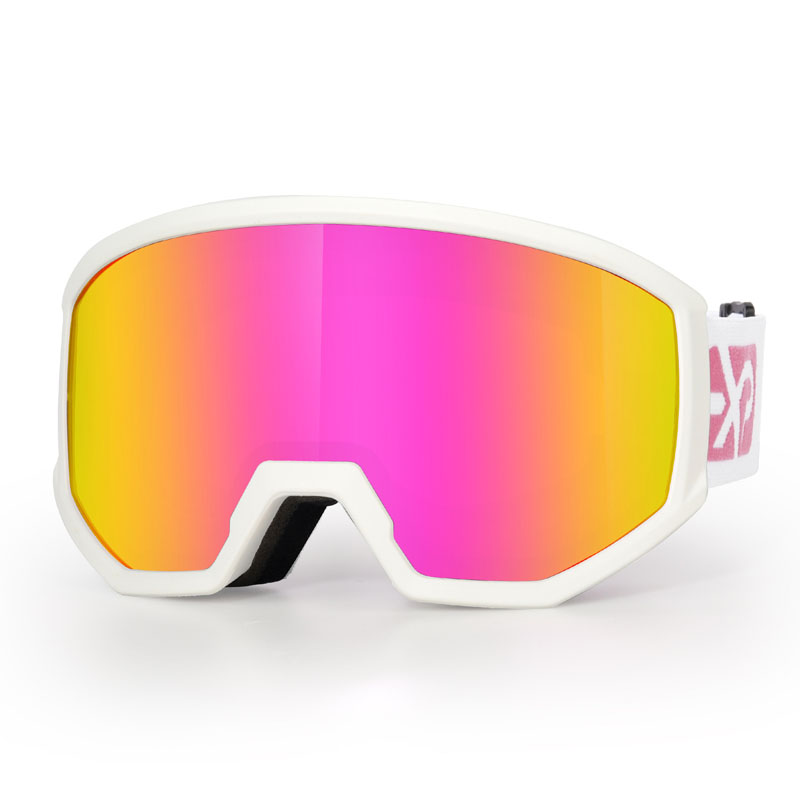
Table of Contents
1. Overview of Cylindrical Ski Goggles 2. Detailed Product Specifications 3. Frequently Asked Questions 4. Practical Tips for Selection and Maintenance 5. Conclusion & Contact Information1. Overview of Cylindrical Ski Goggles
Cylindrical ski goggles feature a flat lens horizontally and a curved lens vertically, offering a balance of style, performance, and affordability. Unlike spherical lenses, they provide a streamlined field of vision while maintaining a lightweight structure suitable for extended skiing sessions. These goggles are designed to minimize glare, protect against UV radiation, and improve visibility in various weather conditions.
The main focus of this guide is to help skiers understand the specifications, uses, and common concerns regarding cylindrical ski goggles. By the end of this article, readers will gain expert insight into selecting the best goggles for comfort, safety, and performance.
2. Detailed Product Specifications
Understanding the technical parameters of cylindrical ski goggles is crucial to making an informed choice. Below is a professional specification table for high-performance cylindrical ski goggles:
| Parameter | Details |
|---|---|
| Lens Type | Cylindrical, Anti-Fog Coating |
| UV Protection | 100% UVA/UVB |
| Frame Material | Flexible TPU, Shock Resistant |
| Lens Material | Polycarbonate, Impact Resistant |
| Ventilation | Multi-channel airflow system |
| Strap | Elastic adjustable strap with silicone lining |
| Compatible Helmets | Universal helmet fit |
| Weight | Approx. 180g |
| Colors | Multiple lens tints and frame colors |
3. Frequently Asked Questions
4. Practical Tips for Selection and Maintenance
4.1 Matching Goggles with Helmets
Compatibility with ski helmets ensures safety and comfort. Cylindrical goggles should align with helmet contours without leaving gaps that allow cold air to enter. Many models feature universal helmet compatibility, but testing the fit is essential before purchase.
4.2 Lens Tint Selection Based on Environment
Different lens tints optimize vision under various conditions. Darker tints are ideal for sunny slopes, amber and rose tints enhance contrast in partly cloudy conditions, and clear lenses are best for nighttime skiing. Some cylindrical goggles offer interchangeable lenses for versatility.
4.3 Storage and Cleaning Techniques
Store goggles in soft protective pouches to prevent scratches. Clean lenses using a microfiber cloth and avoid abrasive materials. Do not expose the goggles to high temperatures, which can deform the frame or damage anti-fog coatings.
4.4 Advanced Ventilation Utilization
Maximize performance by ensuring ventilation channels are not blocked by gloves or scarves. Proper airflow reduces fog formation and keeps the lenses clear, improving safety and enjoyment on the slopes.
5. Conclusion & Contact Information
Cylindrical ski goggles are an essential component of ski equipment for optimal vision, comfort, and safety. Selecting the appropriate lens, understanding product specifications, and maintaining the goggles properly will significantly enhance the skiing experience. For high-quality cylindrical ski goggles with reliable performance, EXP VISION provides a wide range of products suitable for various skiing conditions.
For more information or to make a purchase, contact us today and receive expert assistance in choosing the perfect cylindrical ski goggles.