

How to Choose and Use Rubber Covered Wheel for Optimal Performance?
2025-12-18
Article Summary
Rubber Covered Wheels are essential components in various industrial applications, providing durability, stability, and smooth operation across diverse surfaces. This article explores the specifications, applications, maintenance, and common questions about Rubber Covered Wheels to help professionals make informed decisions. Key aspects covered include material properties, size selection, load capacity, and troubleshooting techniques.
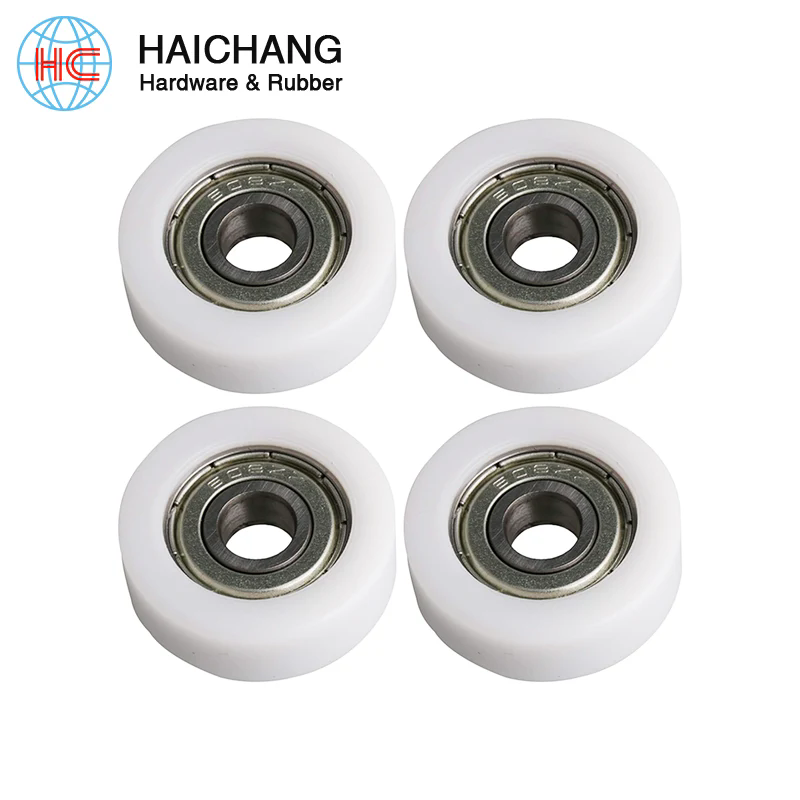
Table of Contents
Introduction to Rubber Covered Wheel
Rubber Covered Wheels are specialized industrial wheels designed with a solid core encased in high-quality rubber to enhance traction, reduce noise, and absorb vibrations. They are widely used in manufacturing plants, warehouse logistics, and transportation equipment. These wheels are suitable for environments requiring durability on rough or uneven surfaces while maintaining smooth operation.
This guide focuses on providing detailed insights into Rubber Covered Wheels, including their specifications, practical applications, and answers to frequently asked questions. Understanding these factors is critical for engineers, procurement specialists, and maintenance teams aiming to optimize equipment performance.
Specifications and Technical Parameters
Rubber Covered Wheels come in multiple configurations depending on load capacity, diameter, width, core material, and rubber hardness. The following table summarizes the common technical parameters:
| Parameter | Description |
|---|---|
| Wheel Diameter | 100mm – 500mm, suitable for light to heavy-duty applications |
| Wheel Width | 40mm – 150mm, ensures stability and load distribution |
| Load Capacity | 50kg – 2000kg per wheel depending on size and core material |
| Core Material | Cast iron, aluminum, steel, or polyurethane composite |
| Rubber Hardness | 55–95 Shore A, selected based on surface and usage |
| Operating Temperature | -20°C to +80°C, depending on rubber type |
| Wheel Type | Fixed, swivel, or heavy-duty caster configurations |
These specifications guide the selection process by balancing load requirements, surface type, and operational conditions to achieve optimal performance and longevity.
Applications and Advantages
Rubber Covered Wheels are versatile and commonly used in:
- Industrial trolleys and material handling equipment
- Automated guided vehicles (AGVs) and robotics
- Warehouse conveyor systems
- Hospital and commercial equipment requiring quiet movement
- Outdoor heavy-duty applications where vibration absorption is critical
Their main advantages include:
- Enhanced traction on smooth and rough surfaces
- Noise reduction and vibration absorption
- Resistance to abrasion, oils, and chemicals (depending on rubber compound)
- Durability and extended service life
Common FAQs about Rubber Covered Wheel
Q1: How to choose the right size of Rubber Covered Wheel for industrial use?
A1: Selecting the right wheel size depends on load capacity, floor type, and application environment. A larger diameter reduces rolling resistance and makes movement smoother on uneven surfaces, while sufficient width ensures stability and distributes weight evenly. Consider both the maximum load and operational frequency to avoid premature wear.
Q2: What are the maintenance requirements for Rubber Covered Wheels?
A2: Regular maintenance involves checking for wear, cleaning debris, lubricating bearings, and inspecting for cracks or rubber degradation. Proper maintenance ensures longer service life, prevents unexpected failures, and maintains smooth operation. Rubber wheels should also be protected from prolonged exposure to extreme temperatures and chemicals that could reduce elasticity.
Q3: Can Rubber Covered Wheels be used in high-load outdoor applications?
A3: Yes, provided that the wheels are selected with appropriate load capacity, core material, and rubber hardness. Wheels with higher Shore A hardness and reinforced cores are suitable for outdoor use on rough terrains, heavy equipment, and continuous operation. Environmental factors such as temperature and exposure to UV or chemicals should also be considered.
Q4: How to ensure compatibility between Rubber Covered Wheels and existing machinery?
A4: Measure mounting dimensions, axle sizes, and swivel or fixed requirements carefully. Check wheel diameter, width, and bore specifications to match existing equipment. Using wheels with the correct bearing type and load rating ensures safe operation and prevents machinery damage.
Q5: What is the expected service life of a Rubber Covered Wheel?
A5: Service life depends on load, speed, frequency of use, surface condition, and maintenance. In standard industrial conditions, rubber wheels typically last 3–5 years. Choosing high-quality rubber compounds and proper maintenance can extend the lifespan significantly.
Conclusion and Contact
Rubber Covered Wheels are a critical choice for industries requiring reliable, quiet, and durable movement. By understanding specifications, applications, and maintenance requirements, businesses can ensure optimal operational efficiency. For those seeking premium quality and expert support, Haichang provides a comprehensive range of Rubber Covered Wheels suited for diverse industrial needs. For detailed product inquiries or customized solutions, contact us today.