

How Does Sharpening Bucket Tooth Influence Excavation Efficiency?
2025-12-23
Abstract
Sharpening Bucket Tooth plays a critical role in maintaining excavation accuracy, penetration capability, and equipment stability in earthmoving operations. This article provides a structured and technical exploration of how sharpening bucket tooth solutions are engineered, applied, and optimized for demanding construction, quarrying, and mining environments. The focus is placed on material parameters, functional mechanisms, maintenance logic, and long-term industry direction, with practical questions answered through a professional and systematic lens.
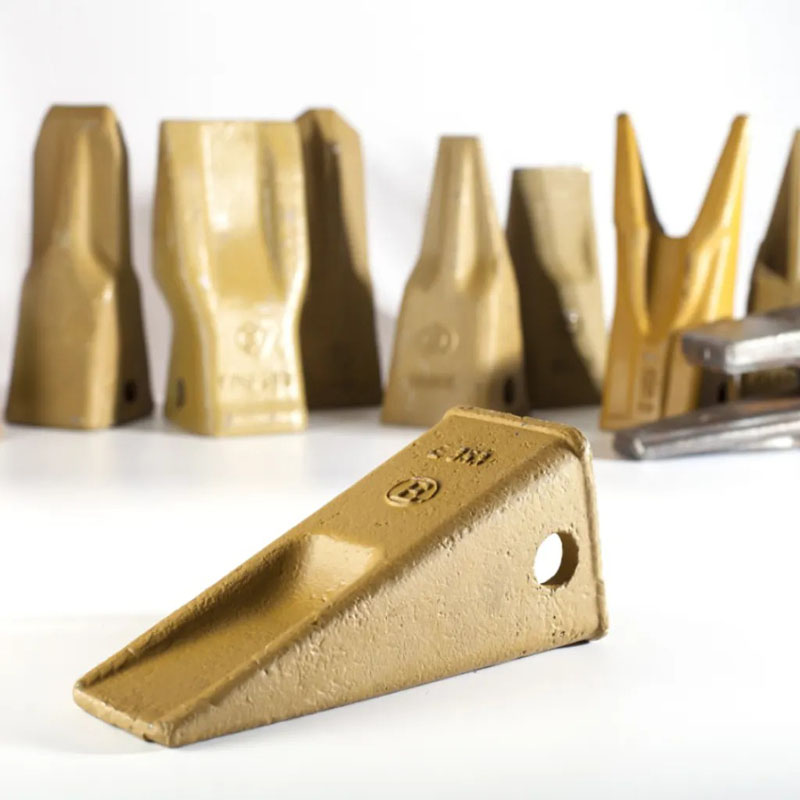
Table of Contents
- How Is Sharpening Bucket Tooth Designed for Excavation Demands?
- How Do Technical Parameters Define Sharpening Bucket Tooth Performance?
- How Should Sharpening Bucket Tooth Be Applied and Maintained?
- How Is Sharpening Bucket Tooth Evolving Within the Industry?
Outline
- Product overview and functional positioning
- Engineering parameters and material configuration
- Application logic and operational practices
- Industry development and procurement guidance
How Is Sharpening Bucket Tooth Designed for Excavation Demands?
Sharpening Bucket Tooth is a precision-engineered wear component designed to restore and maintain the cutting geometry of excavator and loader bucket teeth. Its primary function is to ensure optimal penetration into soil, rock, and mixed materials by preserving a sharp, load-efficient contact edge. Unlike replacement-focused solutions, sharpening-oriented designs emphasize controlled material removal, surface hardening compatibility, and geometry consistency.
In excavation systems, bucket teeth act as the first point of contact with the ground. Over time, abrasive materials dull the tooth profile, increasing resistance and energy consumption. Sharpening Bucket Tooth solutions address this issue by enabling controlled reshaping that aligns with original design tolerances. This process directly supports stable digging angles, reduced vibration, and predictable breakout forces.
From a structural perspective, sharpening compatibility is engineered into the tooth through material selection and heat treatment. High-alloy steel compositions with balanced hardness gradients allow repeated sharpening without compromising core strength. This design logic ensures that the tooth retains its mechanical integrity throughout multiple service cycles.
How Do Technical Parameters Define Sharpening Bucket Tooth Performance?
Performance consistency in Sharpening Bucket Tooth applications depends heavily on clearly defined technical parameters. These parameters govern wear resistance, sharpening frequency, and compatibility with different excavation environments.
| Parameter | Specification Range | Technical Significance |
|---|---|---|
| Base Material | Alloy Steel (Cr-Mo Series) | Supports repeated sharpening and impact resistance |
| Surface Hardness | HRC 48–55 | Balances wear resistance with grindability |
| Core Toughness | ≥ 20 J (Charpy) | Prevents fracture during high-load excavation |
| Tooth Profile Angle | 25°–35° | Ensures penetration efficiency after sharpening |
| Applicable Equipment | 20–120 Ton Excavators | Wide operational compatibility |
These parameters ensure that sharpening operations do not introduce micro-cracks or uneven stress distribution. Proper alignment between sharpening tools and tooth geometry is essential to preserve these specifications. When executed correctly, sharpening restores cutting efficiency while extending the usable life of the tooth body.
How Should Sharpening Bucket Tooth Be Applied and Maintained?
Effective application of Sharpening Bucket Tooth solutions requires a structured maintenance strategy. Sharpening should be performed based on wear indicators rather than fixed intervals. Visual inspection of edge rounding, penetration resistance, and material displacement patterns provides reliable guidance.
Common Questions and Answers
How often should Sharpening Bucket Tooth be performed?
Sharpening frequency depends on material abrasiveness and operating hours. In high-abrasion environments, inspection every 80–120 hours is recommended, with sharpening performed once the cutting edge radius exceeds design tolerance.
How does sharpening affect bucket tooth lifespan?
When executed within material limits, sharpening extends overall lifespan by delaying replacement. Controlled material removal preserves structural balance and reduces uneven stress accumulation.
How can improper sharpening damage bucket teeth?
Incorrect grinding angles or excessive heat generation can weaken surface hardness and introduce micro-fractures. This results in accelerated wear or unexpected failure during operation.
Maintenance protocols should include temperature control during grinding, uniform material removal, and post-sharpening inspection. These practices ensure that the tooth maintains its intended interaction with soil and aggregates.
How Is Sharpening Bucket Tooth Evolving Within the Industry?
The industry trend surrounding Sharpening Bucket Tooth is shifting toward lifecycle optimization rather than single-use replacement. Equipment operators increasingly prioritize components that support predictable maintenance planning and reduced downtime.
Material science advancements have enabled teeth that tolerate multiple sharpening cycles without performance degradation. At the same time, digital maintenance tracking systems allow operators to correlate sharpening intervals with fuel efficiency and productivity metrics.
Within this context, Sharpening Bucket Tooth is positioned as a strategic component rather than a consumable accessory. Its role extends beyond cutting performance to include cost control, energy efficiency, and operational stability across project timelines.
Conclusion and Brand Reference
Sharpening Bucket Tooth solutions provide a technically grounded approach to sustaining excavation efficiency under demanding conditions. By aligning material properties, geometry control, and maintenance discipline, these components support consistent performance throughout extended service cycles.
Lano supplies Sharpening Bucket Tooth products engineered to meet rigorous operational standards across global construction and mining markets. Each product is developed with attention to material balance, sharpening compatibility, and long-term reliability.
For project-specific recommendations or detailed technical consultation, contact us to discuss application requirements, equipment compatibility, and supply solutions tailored to operational demands.