

How Does a UAV Fiber Optic Roll Improve Real-Time Data Transmission for Drones?
2026-03-11
Article Summary
Unmanned aerial vehicles are increasingly used in surveillance, emergency response, military missions, and industrial inspections. However, traditional wireless communication may suffer from signal interference, bandwidth limitations, or security risks. A UAV Fiber Optic Roll provides a reliable solution by connecting drones to ground stations through lightweight fiber optic cables. This article explains how UAV fiber optic rolls work, why they are valuable for high-precision drone missions, and how organizations can choose the right solution for stable and secure data transmission.
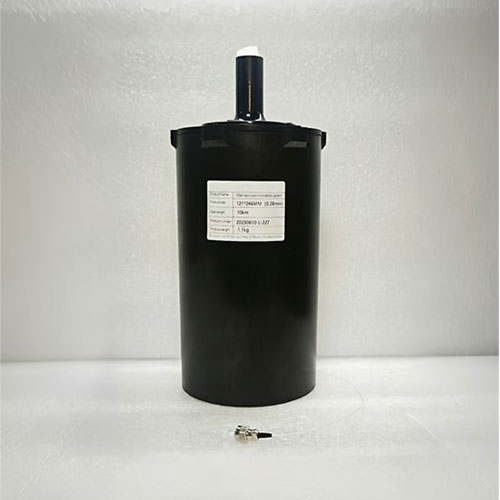
Table of Contents
- How Does a UAV Fiber Optic Roll Work?
- Why Do UAV Systems Require Fiber Optic Communication?
- Key Components of a UAV Fiber Optic Roll
- Typical Technical Parameters
- Major Application Scenarios
- Advantages Over Wireless Transmission
- How to Choose the Right UAV Fiber Optic Roll
- Maintenance and Operational Considerations
- Frequently Asked Questions
Article Outline
- Introduction to UAV fiber optic communication technology
- Working principles of UAV fiber optic rolls
- Core structural components and specifications
- Application scenarios in modern industries
- Benefits compared with traditional wireless systems
- Selection guidelines and operational tips
How Does a UAV Fiber Optic Roll Work?
A UAV Fiber Optic Roll is a specialized spool system that deploys and retrieves optical fiber cables while a drone is in flight. Instead of relying solely on radio signals, the drone remains physically connected to a ground control station through an ultra-thin fiber optic cable.
As the UAV takes off, the fiber cable gradually unwinds from the roll, allowing the drone to move freely while maintaining a stable communication link. Data such as high-definition video, telemetry signals, and sensor information travel through the optical fiber at extremely high speeds.
When the drone returns to the ground, the system rewinds the fiber back onto the roll. This controlled deployment ensures that the cable remains organized, protected, and ready for the next mission.
Because optical fiber transmits data using light rather than electrical signals, it is highly resistant to electromagnetic interference and provides exceptional bandwidth capacity.
Why Do UAV Systems Require Fiber Optic Communication?
Modern drone missions often require stable communication under complex environmental conditions. Wireless communication may face limitations such as:
- Signal interference from urban environments
- Limited bandwidth for high-resolution video
- Security vulnerabilities in wireless transmission
- Range limitations in remote or obstructed areas
Fiber optic communication eliminates many of these challenges by providing a direct physical connection between the UAV and the control station.
This technology is especially important in situations that require uninterrupted data flow, including:
- Military reconnaissance operations
- Disaster rescue monitoring
- Border and infrastructure surveillance
- Industrial inspection and mapping
By integrating a fiber optic roll system, drones can transmit large volumes of data with minimal latency and high security.
Key Components of a UAV Fiber Optic Roll
A professional UAV fiber optic roll system is composed of several critical components designed to ensure smooth cable deployment and reliable data transmission.
- Fiber Optic Cable – Lightweight and high-strength cable capable of transmitting large amounts of data.
- Precision Spool Mechanism – Allows controlled winding and unwinding during UAV flight.
- Protective Housing – Shields the fiber roll from environmental damage and mechanical impact.
- Connector Interface – Provides a secure link between the UAV communication system and ground equipment.
- Tension Control System – Prevents cable entanglement or breakage during deployment.
These components must be carefully engineered to minimize weight while maintaining durability and performance.
Typical Technical Parameters
While specifications may vary depending on application requirements, a typical UAV fiber optic roll system includes the following parameters:
| Parameter | Description |
|---|---|
| Fiber Length | 1 km – 20 km depending on mission requirements |
| Cable Diameter | Typically between 0.25 mm and 0.9 mm |
| Transmission Bandwidth | Supports high-definition video and real-time data transmission |
| Operating Temperature | -40°C to +70°C |
| Deployment Method | Automatic or passive cable release |
| Weight | Optimized for UAV payload limitations |
These parameters allow UAV systems to maintain long-distance communication while preserving flight efficiency.
Major Application Scenarios
UAV fiber optic roll systems are widely used across various high-tech and security-sensitive industries.
Defense and Security Operations
Fiber-connected drones are often used for secure reconnaissance missions where wireless communication could be intercepted or jammed.
Disaster Monitoring
During earthquakes, floods, or fires, UAVs equipped with fiber optic communication can provide continuous real-time video without signal interruption.
Infrastructure Inspection
Industrial facilities such as pipelines, power lines, and offshore platforms benefit from stable drone monitoring systems.
Scientific Research
Researchers can collect high-resolution environmental data in remote areas using drones connected through fiber optic rolls.
Advantages Over Wireless Transmission
Compared with traditional radio communication, UAV fiber optic systems provide several important advantages:
- Ultra-High Bandwidth – Supports large volumes of data such as 4K video streams.
- Low Latency – Real-time communication with minimal delay.
- Enhanced Security – Physical fiber links are difficult to intercept.
- Electromagnetic Immunity – Not affected by electromagnetic interference.
- Stable Long-Distance Communication – Maintains consistent performance across extended ranges.
These advantages make fiber optic roll technology an essential component of advanced UAV communication systems.
How to Choose the Right UAV Fiber Optic Roll
Selecting a suitable UAV fiber optic roll requires evaluating several technical factors.
- Fiber Length Requirements – Determine the operational distance needed for drone missions.
- Weight Constraints – Ensure the system is compatible with UAV payload limits.
- Cable Strength – High tensile strength prevents breakage during flight.
- Transmission Capacity – Verify that the fiber supports required data rates.
- Environmental Durability – Choose cables designed for harsh operating conditions.
Manufacturers such as Jiangsu Xuben Photoelectric Technology Co., Ltd. focus on designing lightweight, durable, and high-performance fiber optic solutions tailored for modern UAV platforms.
Maintenance and Operational Considerations
Proper maintenance ensures the longevity and reliability of UAV fiber optic rolls.
- Inspect cables for physical damage before each mission.
- Store the spool system in a dry and clean environment.
- Avoid excessive tension during cable deployment.
- Clean optical connectors regularly to maintain signal quality.
- Follow recommended operating temperatures and environmental guidelines.
Routine inspection and proper handling significantly reduce operational risks and extend the service life of the fiber system.
Frequently Asked Questions
Q1: What is the maximum transmission distance of a UAV fiber optic roll?
Transmission distance depends on the fiber length used in the spool. Some systems support several kilometers of cable while maintaining stable high-speed communication.
Q2: Will the fiber cable affect drone maneuverability?
Modern fiber optic cables used in UAV systems are extremely thin and lightweight, allowing drones to operate with minimal impact on flight performance.
Q3: Is fiber optic communication safer than wireless signals?
Yes. Optical fiber provides a direct physical transmission path that is highly resistant to signal interception, electromagnetic interference, and radio jamming.
Q4: Can UAV fiber optic rolls be reused?
Yes. The spool system is designed for repeated deployment and retrieval, making it suitable for continuous operational missions.
Conclusion
UAV fiber optic roll technology is transforming drone communication by providing stable, secure, and high-bandwidth data transmission. By connecting drones directly to ground control stations through optical fiber, organizations can overcome many limitations of traditional wireless systems.
With advanced engineering and reliable performance, companies like Jiangsu Xuben Photoelectric Technology Co., Ltd. continue to develop innovative fiber optic solutions for modern UAV applications.
If you are looking for high-quality UAV fiber optic roll systems or customized fiber communication solutions for drone platforms, contact us today to learn more about professional products and technical support.