

How Does a Thermal Pot Improve Daily Convenience and Energy Efficiency?
2026-03-26
Article Summary
A thermal pot is a practical appliance designed to keep water hot for extended periods while minimizing energy consumption. This article explores how a thermal pot works, why it is increasingly popular in homes and workplaces, and how to select the best model for your needs. It addresses common customer concerns such as safety, efficiency, durability, and usability, offering actionable insights to help you make an informed decision.
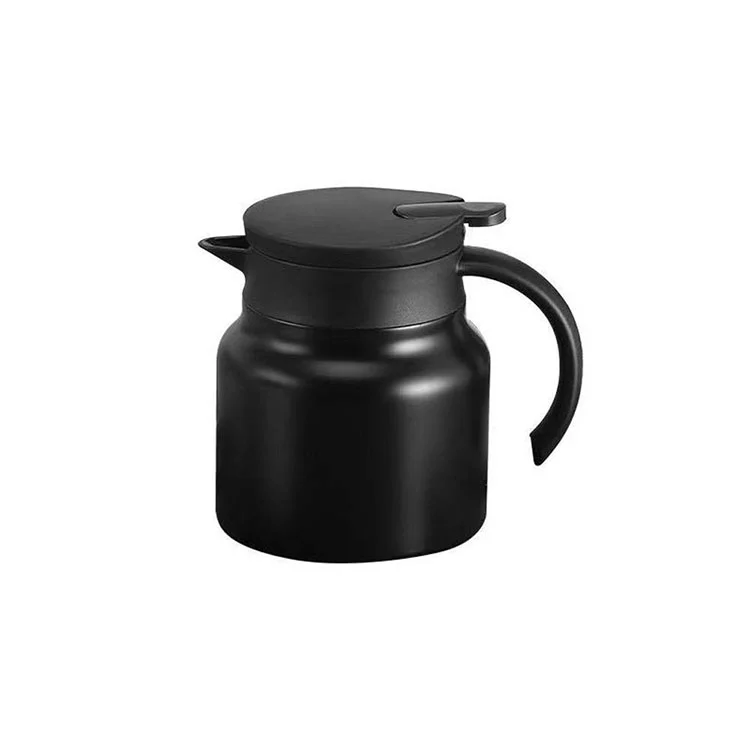
Table of Contents
- 1. What Is a Thermal Pot?
- 2. How Does a Thermal Pot Work?
- 3. Key Benefits of Using a Thermal Pot
- 4. Main Features to Consider
- 5. Types of Thermal Pots
- 6. How to Choose the Right Thermal Pot
- 7. Common Customer Pain Points and Solutions
- 8. Maintenance and Safety Tips
- 9. Frequently Asked Questions
- 10. Conclusion
1. What Is a Thermal Pot?
A thermal pot is an electric or insulated container designed to boil and maintain hot water at a consistent temperature. Unlike traditional kettles, it combines heating and heat retention functions, allowing users to access hot water instantly without repeated boiling.
It is widely used in households, offices, hotels, and commercial environments where frequent hot water is required for beverages, cooking, or cleaning.
2. How Does a Thermal Pot Work?
A thermal pot operates using a combination of electric heating elements and insulation technology. Once the water reaches the desired temperature, the device switches to a heat preservation mode, significantly reducing energy consumption.
- Heating element rapidly boils water
- Temperature sensors regulate heat levels
- Insulated inner tank retains heat efficiently
- Automatic control system maintains consistent temperature
Some advanced models also include vacuum insulation layers, which further enhance heat retention and reduce electricity usage.
3. Key Benefits of Using a Thermal Pot
Customers often struggle with repeated boiling, inconsistent water temperature, and high electricity costs. A thermal pot addresses these issues effectively.
- Instant Hot Water: No waiting time for boiling
- Energy Saving: Maintains heat with minimal power usage
- Convenience: Ideal for busy households and offices
- Safety: Equipped with auto shut-off and dry-boil protection
- Large Capacity: Suitable for multiple users
These advantages make thermal pots an essential appliance for improving daily efficiency.
4. Main Features to Consider
| Feature | Description |
| Capacity | Ranges from 2L to 5L depending on usage needs |
| Material | Stainless steel inner tank for durability and hygiene |
| Temperature Settings | Multiple preset options (e.g., 40°C, 60°C, 85°C, 98°C) |
| Dispensing Method | Manual pump, electric pump, or touch dispensing |
| Safety Protection | Overheat protection and automatic shut-off |
| Energy Efficiency | Low standby power consumption |
Products developed by Kudike focus on combining advanced insulation technology with user-friendly design, ensuring both performance and reliability.
5. Types of Thermal Pots
Understanding the different types helps users match the product with their lifestyle and usage scenarios.
- Electric Thermal Pot: Automatically heats and maintains temperature
- Air Pump Thermal Pot: Manual dispensing without electricity
- Vacuum Insulated Pot: Superior heat retention with minimal energy use
Each type offers unique advantages depending on whether convenience or energy savings is the priority.
6. How to Choose the Right Thermal Pot
Selecting the right thermal pot requires balancing functionality, budget, and usage frequency.
- Daily Usage: Choose larger capacity for families or offices
- Energy Efficiency: Look for models with advanced insulation
- Ease of Use: Consider dispensing mechanism and controls
- Safety Features: Ensure protection against overheating
- Build Quality: Stainless steel interiors are more durable
A well-chosen thermal pot not only improves convenience but also reduces long-term operational costs.
7. Common Customer Pain Points and Solutions
| Pain Point | Solution |
| Water cools too quickly | Choose vacuum insulated models |
| High electricity bills | Use energy-saving temperature modes |
| Slow dispensing | Select electric pump models |
| Difficult cleaning | Opt for wide-mouth designs |
| Safety concerns | Ensure auto shut-off and child lock features |
Addressing these issues ensures a better user experience and maximizes the value of your investment.
8. Maintenance and Safety Tips
Proper maintenance extends the lifespan of a thermal pot and ensures safe operation.
- Clean the inner tank regularly to prevent scale buildup
- Avoid overfilling beyond maximum capacity
- Use filtered water to reduce mineral deposits
- Check power cords and connections periodically
Routine care helps maintain performance and ensures consistent water quality.
9. Frequently Asked Questions
Q1: Is a thermal pot better than a kettle?
A thermal pot is more convenient for continuous use, while a kettle is suitable for occasional boiling. The choice depends on usage frequency.
Q2: Does a thermal pot consume a lot of electricity?
No. Modern thermal pots are designed to maintain temperature efficiently, using significantly less energy than repeated boiling.
Q3: Can I leave a thermal pot on all day?
Yes. Most models are designed for continuous operation with built-in safety features.
Q4: How long can it keep water hot?
Depending on insulation quality, water can remain hot for several hours to an entire day.
10. Conclusion
A thermal pot is an essential appliance for modern living, offering a balance of convenience, safety, and energy efficiency. Whether for home or commercial use, it simplifies access to hot water while reducing energy consumption.
Kudike continues to deliver reliable thermal pot solutions designed to meet diverse user needs, combining durability, innovation, and user-friendly features.
If you are looking to upgrade your daily hot water experience with a dependable and efficient solution, contact us today to explore high-quality products and professional support tailored to your requirements.