

How Does a Terminal Box Improve Electrical System Protection and Long-Term Reliability?
2025-12-11
A terminal box is an enclosure designed to organize, protect, and connect electrical conductors in industrial, commercial, and residential systems. It provides a secure interface for wiring terminations, ensures circuit integrity, and safeguards sensitive electrical components from dust, moisture, vibration, and physical interference. As electrical infrastructures expand in complexity, the strategic use of terminal boxes has become fundamental to maintaining operational safety, facilitating maintenance, and enabling scalable system upgrades.
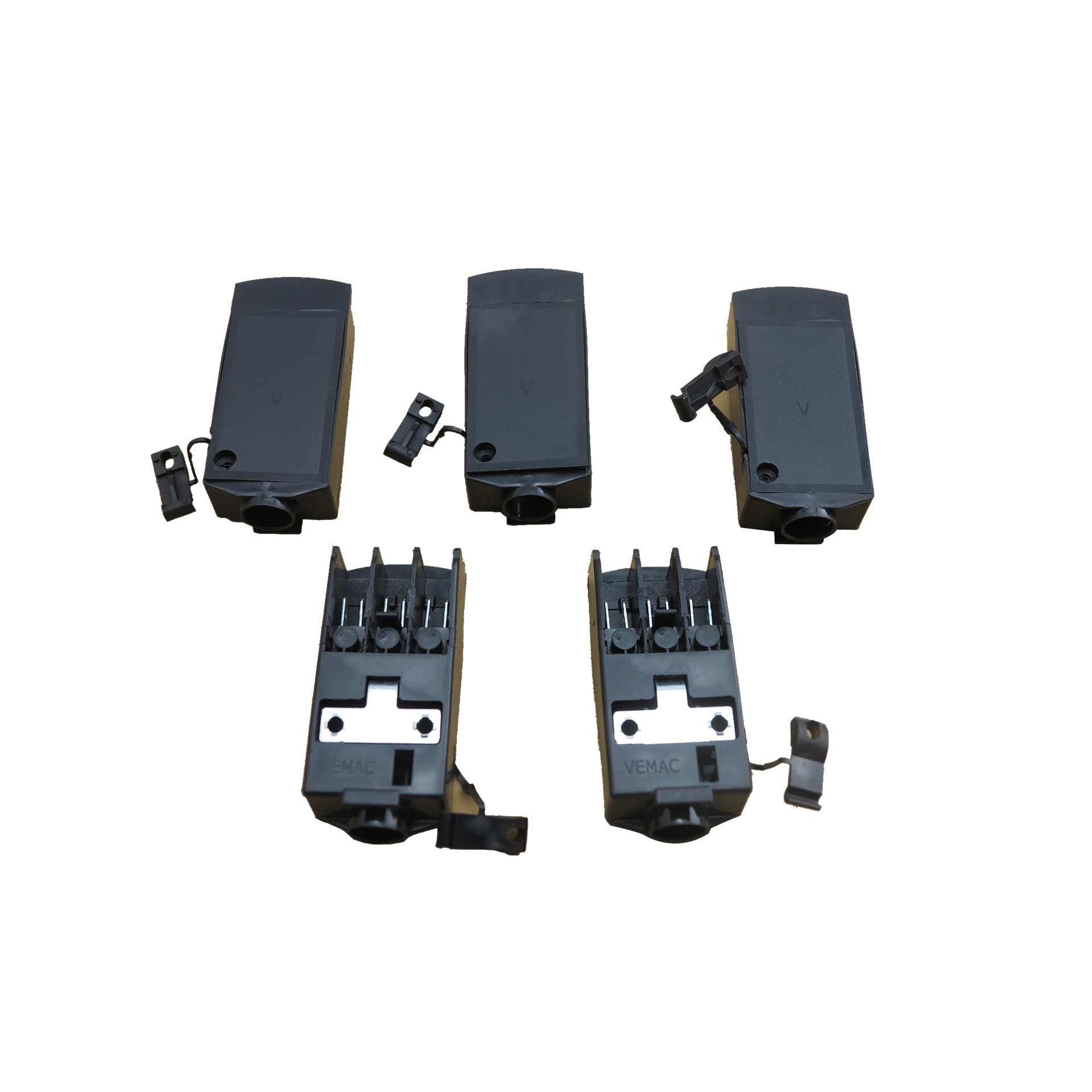
To provide a more rigorous understanding, the following table outlines representative parameters commonly associated with high-performance terminal boxes used in industrial environments:
| Specification Category | Technical Parameters |
|---|---|
| Material Options | Cold-rolled steel, stainless steel 304/316, ABS, polycarbonate, aluminum alloy |
| Ingress Protection Rating | IP54, IP55, IP65, IP66, IP67 (depending on environmental exposure requirements) |
| Impact Resistance | IK07–IK10 for enhanced anti-collision capability |
| Operating Temperature Range | -40°C to +120°C (material dependent) |
| Cable Entry Options | Metric/PF threaded knockouts, customizable gland plates, pre-installed cable glands |
| Internal Configuration | Terminal blocks, DIN rails, earthing bars, labeling plates |
| Mounting Method | Wall-mount, pole-mount, flush-mount, machine-integrated |
| Locking Mechanism | Screw-type fasteners, cam locks, triangular key locks |
| Standards Compliance | IEC 60529, UL 94, RoHS, CE guidelines |
How Does Structured Connectivity in a Terminal Box Enhance Wiring Efficiency?
A terminal box consolidates multiple cable routes into a protected enclosure, offering a systematic approach for connecting incoming and outgoing circuits. This design improves clarity in wiring layouts, reduces installation time, and ensures that maintenance personnel can quickly access and troubleshoot points of connection. Organized wiring reduces accidental disconnections, minimizes load-bearing stress on conductors, and maintains optimal current flow across circuits.
Beyond basic organization, terminal boxes allow standardized termination using DIN-rail-mounted blocks, which maintain consistent spacing and mechanical stability. When deployed across large-scale electrical systems—such as manufacturing plants or data centers—this level of organization prevents wiring congestion and prevents human error during modifications or extensions.
The enhanced safety factor provided by isolation barriers, fire-resistant materials, and grounding systems ensures that electrical faults are contained within the enclosure. This containment minimizes the propagation of arc flashes or short circuits, protecting critical assets and operator safety. High-grade sealing systems, such as silicone gaskets or neoprene compression linings, further prevent ingress of moisture, dust, or chemical vapors.
As a result, the structural integration of terminal boxes contributes directly to longer equipment life cycles, reduced operational downtime, and standardized compliance with electrical installation norms.
How Should Terminal Boxes Be Configured for Harsh Industrial Environments?
Industrial environments often expose electrical systems to extreme temperature fluctuations, corrosive agents, mechanical shock, heavy vibration, and moisture. Therefore, selecting the correct terminal box configuration is essential for reliable operation.
Stainless steel variants deliver superior corrosion resistance, making them suitable for petrochemical facilities, marine ports, and food-processing plants. Polycarbonate and ABS variants offer high insulating properties and excellent impact resistance, making them ideal for outdoor telecommunications, renewable energy fields, and transportation infrastructure. Aluminum alloy enclosures offer a balanced combination of strength and lightweight design, suitable for machine integration where weight constraints apply.
To handle heavy ingress challenges, IP66 or IP67 protection levels shield internal components from water jets and temporary immersion. Reinforced hinge structures and mechanical locks ensure that the enclosure remains sealed during vibration or mechanical impact. Heat dissipation vents or optional breathable membranes are used to balance internal pressure without allowing ingress of contaminants.
Integration requirements often include internal cable routing brackets, modular DIN rails, grounding terminals, and load-bearing mounting frames that prevent internal components from shifting. Custom gland plates offer flexibility for varying cable diameters and fiber-optic routing needs. For facilities with strict procedural documentation practices, terminal marking systems and numeric identification labels standardize wiring management.
Through proper configuration, terminal boxes maintain stability and continuity even under conditions of high stress, maximizing system durability.
How Is the Terminal Box Evolving with Future Electrical System Trends?
As electrical distribution networks evolve with automation, interconnected monitoring, and predictive maintenance systems, terminal boxes are also transitioning into more advanced components of electrical infrastructure. Several emerging trends are reshaping their role:
-
Integration with Smart Sensors and Monitoring Modules
Terminal boxes are increasingly designed to accommodate temperature sensors, humidity meters, and current-monitoring modules. These embedded components help facilities implement real-time condition monitoring, detect early signs of overload, and issue alerts to prevent downtime. -
Support for Renewable Energy and Distributed Power Systems
Solar farms, wind turbine networks, and decentralized microgrids rely on durable connection interfaces capable of withstanding outdoor exposure. Terminal boxes for renewables integrate surge-protection devices, higher-amp termination blocks, and UV-resistant enclosures. -
Modular and Scalable Wiring Architecture
Future-ready systems demand flexibility. Modular block configurations make it possible to expand circuits without replacing the entire enclosure. Users can scale installations as equipment loads increase. -
Lightweight but High-Strength Material Advancements
Polycarbonate composites, glass-fiber reinforced plastics, and improved stainless steel alloys are becoming more widely used. These materials reduce weight while maintaining enclosure rigidity and extending service life. -
Thermal Control and Electromagnetic Shielding
As high-frequency and high-current systems become common, terminal boxes increasingly require electromagnetic interference protection and internal heat control surfaces. -
Sustainability and Compliance Trends
Manufacturers are incorporating recyclable materials and eco-friendly coatings that minimize environmental impact while complying with industry regulations.
By aligning with these developments, terminal boxes remain critical components in modern electrical infrastructures.
Frequently Asked Questions (FAQ)
Q1: How can the appropriate size of a terminal box be determined?
A terminal box should be sized based on the number of conductors, the diameter of incoming cables, the required spacing between terminal blocks, and the planned allowance for future expansion. Best practices recommend a minimum of 25–30 percent unused internal space to accommodate heat dissipation and modifications. Additionally, environmental conditions—such as outdoor exposure or corrosive atmospheres—may require users to choose larger models that support enhanced protective features.
Q2: How is the ingress protection rating of a terminal box selected for different operating conditions?
Selection should reflect environmental risks. Indoor applications typically function well with IP54 or IP55 enclosures, while outdoor or industrial environments exposed to heavy dust, spray, or immersion require IP65 to IP67 ratings. Facilities with hygiene or sanitation requirements, such as food processing plants, often require IP66 enclosures due to high-pressure cleaning operations. The decision must align with compliance standards and the required long-term reliability of the system.
How Does Proper Installation of Terminal Boxes Contribute to System Longevity?
Proper installation plays a decisive role in keeping electrical systems stable and extendable. This includes positioning the terminal box in accessible but protected locations, maintaining correct torque on fasteners, and ensuring gland seals are fully compressed to maintain the intended IP rating. Cable strain relief must be applied to prevent pull-stress from reaching terminal points, while grounding must be implemented to manage fault currents safely.
Using standardized wiring colors, labeling systems, and structured routing minimizes error probability during maintenance. Installers should avoid overcrowding inside the enclosure, maintain bending radius requirements for cables, and ensure that heat-generating components have sufficient air circulation.
Routine inspection schedules should include checks for gasket integrity, corrosion, moisture buildup, and terminal torque loosening. Proper installation and maintenance can significantly extend the working life of the terminal box and safeguard the entire electrical circuit it protects.
Terminal boxes play an indispensable role in electrical infrastructure by organizing wiring systems, improving operational safety, and enabling scalable connectivity. Their application ranges from industrial automation to renewable energy installations, reflecting their adaptability and importance. As material science, electrical monitoring technology, and manufacturing standards continue to advance, terminal boxes are expected to evolve with greater durability, smarter functionality, and broader compatibility with emerging energy systems.
For organizations seeking robust connection solutions, reliable enclosure performance, and long-term system stability, CMZG® delivers engineered terminal box products designed to support demanding operational environments and future-ready electrical architectures. For specifications, custom solutions, or technical consultation, contact us to discuss how our terminal box offerings can support your application requirements.