

How Does a Studless Offshore Mooring Chain Ensure Reliable Offshore Anchoring?
2026-03-11
Article Summary
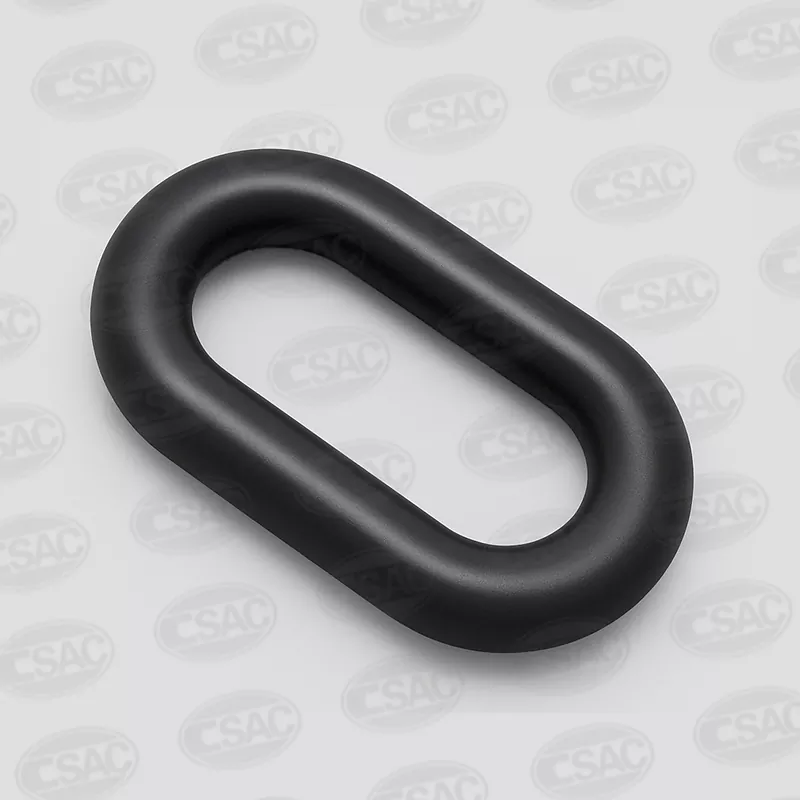
Offshore structures such as oil platforms, floating production units, and large marine vessels require dependable mooring systems to remain stable in challenging ocean environments. A Studless Offshore Mooring Chain plays a critical role in maintaining the secure positioning of these structures. Designed for extreme marine conditions, studless chains offer superior strength, flexibility, and durability compared with traditional chain designs.
This article explains how a studless offshore mooring chain works, why it is widely used in offshore engineering, and how to select the right chain for specific marine applications. It also outlines the key structural features, technical parameters, advantages, and maintenance considerations that help ensure long-term operational safety.
Table of Contents
- 1. What Is a Studless Offshore Mooring Chain?
- 2. How Does a Studless Offshore Mooring Chain Work?
- 3. Key Structural Features of Studless Mooring Chains
- 4. Typical Technical Parameters
- 5. Advantages of Studless Offshore Mooring Chains
- 6. Common Offshore Applications
- 7. How to Choose the Right Mooring Chain
- 8. Maintenance and Inspection Guidelines
- 9. Frequently Asked Questions
1. What Is a Studless Offshore Mooring Chain?
A Studless Offshore Mooring Chain is a heavy-duty steel chain designed for anchoring floating offshore structures such as drilling rigs, floating production storage and offloading units (FPSOs), offshore platforms, and large ships. Unlike stud-link chains, studless chains do not include a reinforcing bar (stud) across the center of each link.
This design reduces overall weight while maintaining excellent tensile strength. Because the links can move more freely, studless chains also provide improved flexibility and easier handling during deployment and retrieval operations.
Manufacturers such as Zhoushan Zhongnan specialize in producing high-quality studless offshore mooring chains engineered to meet international marine standards and withstand demanding ocean environments.
2. How Does a Studless Offshore Mooring Chain Work?
A studless mooring chain functions as a key component in the offshore anchoring system. It connects floating structures to seabed anchors or piles, preventing movement caused by wind, waves, and ocean currents.
The chain works through a combination of weight, tensile strength, and catenary geometry. When deployed, the chain naturally forms a curved shape known as a catenary curve. This curve absorbs external forces and distributes tension along the chain length.
- The anchor holds the chain securely to the seabed
- The chain weight stabilizes the structure
- The curved profile absorbs dynamic loads
- The chain flexibility allows movement without structural damage
This system ensures that offshore installations remain safely positioned even under severe weather conditions.
3. Key Structural Features of Studless Mooring Chains
Studless chains are designed to balance strength, durability, and flexibility. Several structural characteristics contribute to their reliability in offshore environments.
- Round Steel Links – forged or welded links provide excellent load-bearing capacity
- High-Strength Alloy Steel – ensures resistance to mechanical stress and fatigue
- Uniform Link Dimensions – guarantees consistent load distribution
- Corrosion Protection – coatings or special steel compositions reduce seawater corrosion
- Heat Treatment – improves hardness and structural integrity
The absence of a stud allows the chain to move more freely, which reduces internal stress and improves operational flexibility in deep-water environments.
4. Typical Technical Parameters
While specifications vary depending on project requirements, studless offshore mooring chains generally follow standardized parameters for strength and size.
| Parameter | Typical Range |
|---|---|
| Chain Diameter | 50 mm – 200 mm |
| Material Grade | R3 / R3S / R4 / R4S / R5 |
| Breaking Load | Depends on diameter and material grade |
| Manufacturing Process | Flash butt welding / heat treatment |
| Surface Protection | Anti-corrosion coating or marine-grade steel |
| Applicable Standards | Offshore mooring chain industry standards |
Manufacturers like Zhoushan Zhongnan provide customized specifications to meet different offshore engineering requirements.
5. Advantages of Studless Offshore Mooring Chains
Studless mooring chains offer several advantages compared with stud-link chains, especially in offshore applications where flexibility and handling efficiency are critical.
- Lighter Weight – absence of studs reduces chain weight
- Improved Flexibility – easier bending and movement under load
- Better Fatigue Resistance – reduced internal stress concentrations
- Simplified Handling – easier installation and transportation
- Cost Efficiency – lower material and manufacturing complexity
These advantages make studless chains widely used in modern offshore mooring systems.
6. Common Offshore Applications
Studless offshore mooring chains are essential in a wide range of marine engineering and offshore energy operations.
- Offshore oil and gas platforms
- Floating production storage and offloading vessels
- Floating wind turbine foundations
- Deep-water drilling units
- Large ship anchoring systems
- Offshore construction platforms
As offshore energy development expands into deeper waters, the demand for durable mooring chains continues to grow.
7. How to Choose the Right Mooring Chain
Selecting the appropriate mooring chain requires careful evaluation of several engineering factors.
- Water Depth – deeper installations require longer and stronger chains
- Environmental Conditions – wave height, wind speed, and ocean currents
- Structure Weight – heavier structures require higher breaking strength
- Material Grade – determines tensile strength and fatigue resistance
- Corrosion Resistance – essential for long-term marine exposure
Working with an experienced supplier ensures that the chain design aligns with project safety requirements and operational demands.
8. Maintenance and Inspection Guidelines
Proper maintenance is essential for extending the service life of offshore mooring chains. Regular inspections help detect wear, corrosion, or deformation before serious problems occur.
- Perform visual inspections during scheduled maintenance
- Measure link diameter to detect excessive wear
- Check weld areas for cracks or structural damage
- Apply anti-corrosion protection when necessary
- Replace damaged sections immediately
Routine maintenance not only improves operational safety but also reduces the risk of unexpected downtime in offshore operations.
9. Frequently Asked Questions
Q1: What is the difference between studless and stud-link mooring chains?
Studless chains do not include a reinforcing bar inside the link, making them lighter and more flexible. Stud-link chains contain a central stud that improves shape stability but increases weight.
Q2: Are studless mooring chains suitable for deep-water applications?
Yes. Their flexibility and high-strength steel construction make them ideal for deep-water offshore mooring systems.
Q3: How long does a studless offshore mooring chain typically last?
Service life depends on environmental conditions, load cycles, and maintenance practices. With proper inspection and maintenance, mooring chains can remain operational for many years.
Conclusion
A Studless Offshore Mooring Chain is a fundamental component in offshore anchoring systems. Its combination of high tensile strength, structural flexibility, and durability allows floating structures to remain stable in harsh marine environments. By understanding how these chains work and selecting the correct specifications, offshore operators can significantly improve safety and operational reliability.
For projects requiring dependable mooring solutions, Zhoushan Zhongnan offers professionally manufactured studless offshore mooring chains designed for demanding offshore conditions. If you are planning an offshore engineering project or need expert guidance on selecting the right mooring chain system, contact us today to receive professional support and customized solutions.