

How Does a Rocker Sprayer Work and Solve Common Spraying Problems
2026-06-08
Article Abstract
A Rocker Sprayer is widely used in agriculture, gardening, sanitation, and industrial cleaning due to its efficient pressure delivery system and reliable spraying performance. This article explains how a Rocker Sprayer works, its internal structure, key applications, common issues users face, and how to choose and maintain the right model. It is designed to help operators improve efficiency, reduce waste, and extend equipment lifespan through practical guidance and technical understanding.
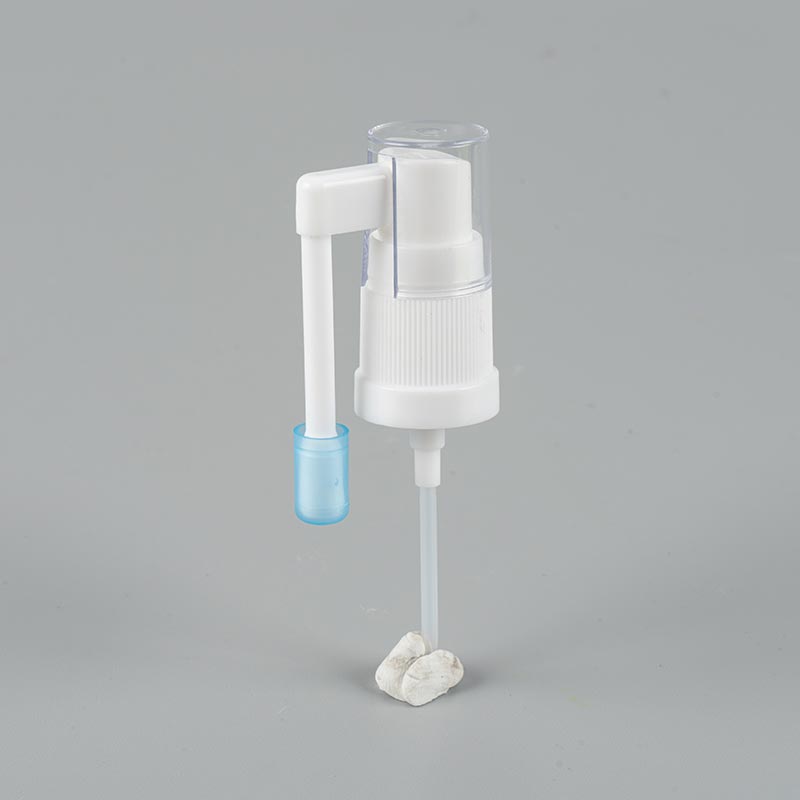
Table of Contents
- Outline Overview
- What is a Rocker Sprayer?
- Key Components
- How a Rocker Sprayer Works
- Applications
- Common Problems & Troubleshooting
- How to Choose the Right Model
- Maintenance Tips
- Comparison Table
- FAQ
Outline Overview
- Definition and core purpose of Rocker Sprayer systems
- Mechanical structure and fluid delivery mechanism
- Industry and agricultural use cases
- Operational issues and performance solutions
- Selection criteria and maintenance strategies
What is a Rocker Sprayer?
A Rocker Sprayer is a manual or semi-mechanical spraying device designed to deliver liquid solutions through a pressurized pumping system activated by a rocking motion. Unlike electric or engine-driven sprayers, it relies on a lever mechanism that converts human motion into hydraulic pressure, allowing consistent atomization of liquids such as pesticides, disinfectants, fertilizers, and cleaning agents.
Its simplicity, durability, and cost-effectiveness make it especially valuable in environments where electricity is unavailable or where portability is required.
Key Components
Understanding the structure of a Rocker Sprayer is essential for proper usage and troubleshooting. The main components include:
- Rocker Arm: The manual lever that drives the pumping action.
- Pump Chamber: Generates pressure by moving liquid through a piston system.
- Liquid Tank: Stores the chemical or solution before spraying.
- Hose System: Transfers pressurized liquid from tank to nozzle.
- Nozzle Head: Controls spray pattern and droplet size.
- Sealing Rings: Prevent leakage and maintain pressure stability.
How a Rocker Sprayer Works
The working principle of a Rocker Sprayer is based on mechanical pressure conversion. When the operator moves the rocker arm back and forth, the connected piston inside the pump chamber compresses and decompresses, creating alternating suction and pressure phases.
During the suction phase, liquid is drawn from the tank into the pump chamber. During the compression phase, the liquid is forced through a narrow nozzle at high speed, breaking it into fine droplets. This atomization ensures even coverage and efficient material usage.
The system relies heavily on consistent motion, proper sealing, and nozzle calibration to maintain stable output performance.
Applications
Rocker Sprayers are used across multiple industries due to their versatility and reliability.
- Agricultural pest control and crop spraying
- Orchard and greenhouse fertilization
- Public sanitation and disinfection
- Livestock farm hygiene management
- Industrial surface cleaning and coating
Common Problems & Troubleshooting
Even though Rocker Sprayers are durable, operational issues can occur. Below are common problems and their solutions:
| Problem | Possible Cause | Solution |
|---|---|---|
| Low pressure output | Worn piston seals or air leakage | Replace seals and tighten connections |
| Uneven spray pattern | Nozzle clogging | Clean nozzle with fine brush or replace |
| Leakage from tank | Damaged gasket | Install new sealing gasket |
| Hard pumping action | Lack of lubrication or internal wear | Lubricate moving parts and inspect piston |
How to Choose the Right Model
Selecting the right Rocker Sprayer depends on operational requirements and working conditions. Consider the following factors:
- Tank capacity: Larger tanks reduce refill frequency but increase weight.
- Material quality: Corrosion-resistant materials extend lifespan.
- Nozzle type: Adjustable nozzles provide flexibility in spray patterns.
- Pressure stability: Consistent output is essential for uniform application.
- Ergonomic design: Reduces operator fatigue during long use.
Maintenance Tips
Proper maintenance significantly improves performance and durability:
- Clean the tank after every use to prevent chemical residue buildup
- Regularly inspect seals and replace worn parts
- Store the sprayer in a dry environment
- Lubricate the piston system periodically
- Avoid overloading with incompatible chemicals
Consistent maintenance ensures stable pressure output and reduces operational downtime.
Comparison Table
| Feature | Rocker Sprayer | Electric Sprayer | Engine Sprayer |
|---|---|---|---|
| Power Source | Manual | Electric motor | Fuel engine |
| Portability | High | Medium | Low |
| Maintenance | Low | Medium | High |
| Cost | Low | Medium | High |
FAQ
What liquids can be used in a Rocker Sprayer?
It can handle pesticides, fertilizers, disinfectants, and mild cleaning solutions depending on nozzle compatibility.
How often should seals be replaced?
Typically every 6–12 months depending on usage frequency and chemical exposure.
Why is my sprayer losing pressure?
This is often due to worn seals, air leakage, or clogged components.
Can a Rocker Sprayer be used for industrial cleaning?
Yes, it is commonly used for surface cleaning and disinfectant spraying in industrial environments.
Is it suitable for large farms?
It is suitable for small to medium-scale farms, but larger operations may require powered sprayers.
Conclusion
A Rocker Sprayer remains one of the most practical and efficient tools for controlled liquid application across agricultural and sanitation tasks. Its mechanical simplicity ensures reliability, while proper maintenance and correct usage significantly extend its service life. For users seeking durable and cost-effective spraying solutions, selecting a high-quality model is essential.
For advanced designs, optimized performance, and customized solutions, Ruijiong provides professional-grade equipment tailored to industrial and agricultural needs. If you are looking for reliable supply support or technical consultation, Ruijiong contact us to explore the right Rocker Sprayer solution for your application.