

How Does a Rigid Tiedown Improve Cargo Safety During Transportation?
2026-07-23
Article Summary
In modern logistics and heavy-duty transportation, cargo security is one of the most critical concerns for carriers, manufacturers, and shipping companies. Unstable loads can lead to cargo damage, transportation delays, safety hazards, and financial losses. A reliable restraint solution is essential for keeping goods firmly positioned throughout the journey. A rigid tiedown is designed to provide strong, stable, and repeatable load securing performance for various transportation applications.
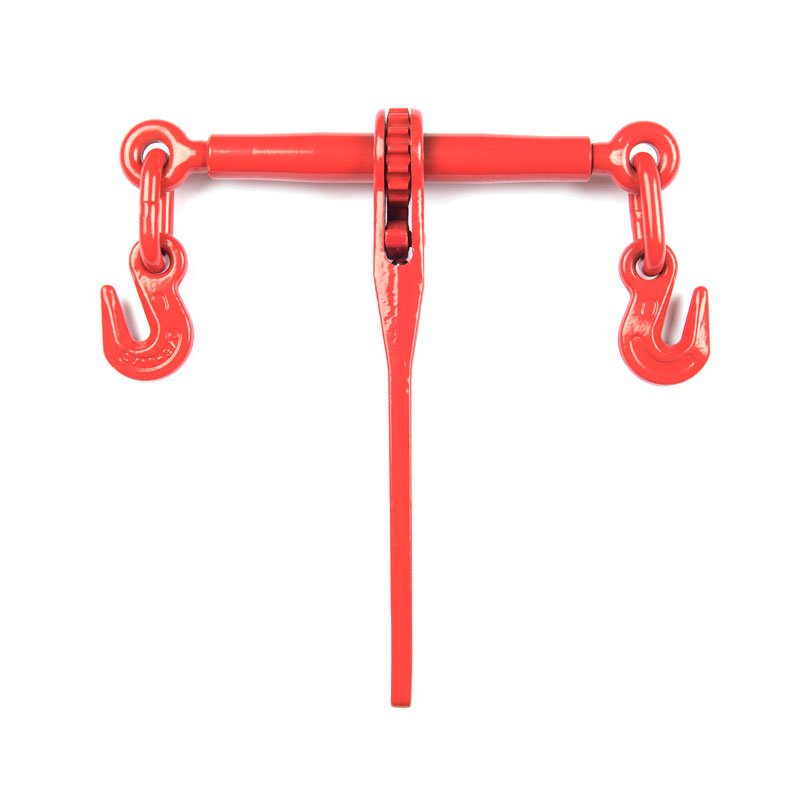
This article explains how a rigid tiedown works, why it is important for cargo protection, what challenges it solves, and how businesses can select the right solution for their transportation needs. With professional manufacturing experience and product expertise, Ningbo By Really International Trading Co., Ltd. provides dependable cargo securing solutions designed to support safer and more efficient logistics operations.
Table of Contents
- What Is a Rigid Tiedown?
- How Does a Rigid Tiedown Work?
- Why Choose a Rigid Tiedown for Cargo Security?
- Where Are Rigid Tiedowns Commonly Used?
- How to Select the Right Rigid Tiedown?
- Common Cargo Securing Problems and Solutions
- Maintenance Tips for Long-Term Performance
- Frequently Asked Questions
What Is a Rigid Tiedown?
A rigid tiedown is a mechanical cargo restraint device used to secure loads during transportation. Unlike traditional flexible straps or ropes that rely mainly on tension, rigid tiedown systems use a fixed structure to provide controlled restraint and reduce cargo movement.
During transportation, vehicles are exposed to vibration, sudden braking, acceleration, turning forces, and uneven road conditions. Without proper securing equipment, cargo may shift, slide, or overturn. A rigid tiedown helps maintain load stability by creating a stronger connection between the cargo and the transportation platform.
The design of rigid tiedowns usually includes durable metal components, adjustable connection mechanisms, and reinforced structures capable of handling demanding transportation environments. They are widely applied in trailers, trucks, containers, flatbeds, and specialized cargo transportation systems.
How Does a Rigid Tiedown Work?
The working principle of a rigid tiedown is based on mechanical restraint and load stabilization. When installed correctly, it limits unwanted movement by securing cargo firmly against external forces.
The basic operating process includes several steps:
- Connection: The rigid tiedown is attached between the cargo and the anchoring point of the vehicle or transportation equipment.
- Adjustment: The system is adjusted according to the size, shape, and weight of the load.
- Load Control: The tiedown applies a stable restraining force that minimizes shifting during transportation.
- Protection: The secured cargo remains in a safer position throughout the transportation process.
Compared with conventional securing methods, rigid tiedowns offer better consistency because their structure provides predictable holding performance. This makes them suitable for applications where cargo stability and operational safety are priorities.
Why Choose a Rigid Tiedown for Cargo Security?
Cargo transportation involves many uncertainties. Weather conditions, road conditions, loading errors, and unexpected vehicle movements can all affect cargo stability. Choosing a suitable restraint system can significantly reduce these risks.
The main advantages of rigid tiedowns include:
- Improved Load Stability: Rigid structures help prevent cargo from moving excessively during transportation.
- Higher Safety Performance: Strong restraint reduces the possibility of accidents caused by shifting loads.
- Durable Construction: High-quality materials provide reliable performance in harsh working environments.
- Easy Operation: Properly designed systems simplify installation and removal procedures.
- Reduced Cargo Damage: Stable positioning helps protect products from impact and friction.
- Reusable Solution: Many rigid tiedown systems can be used repeatedly, improving cost efficiency.
For companies handling valuable equipment, industrial materials, machinery components, or oversized goods, a reliable tiedown solution is an important investment in transportation efficiency.
Where Are Rigid Tiedowns Commonly Used?
Rigid tiedowns are suitable for many transportation environments where secure cargo handling is required. Different industries rely on these systems to maintain safe delivery conditions.
- Heavy Equipment Transportation: Used for securing construction machinery, agricultural equipment, and industrial tools.
- Truck and Trailer Applications: Helps stabilize cargo during long-distance road transportation.
- Container Transportation: Supports secure positioning of goods inside transportation containers.
- Manufacturing Logistics: Protects precision components and finished products during delivery.
- Warehouse Transfer Operations: Provides additional safety during internal movement processes.
Industries with strict transportation requirements often choose rigid tiedowns because they offer dependable performance under repeated loading conditions.
How to Select the Right Rigid Tiedown?
Choosing the correct rigid tiedown requires consideration of multiple factors. An unsuitable product may fail to provide sufficient restraint or may not match the transportation environment.
- Load Capacity: Select a tiedown that matches or exceeds the weight and movement requirements of the cargo.
- Material Quality: Durable steel and corrosion-resistant components improve service life.
- Application Environment: Consider exposure to moisture, vibration, temperature changes, and outdoor conditions.
- Installation Compatibility: Ensure the tiedown matches existing vehicle or equipment structures.
- Operational Convenience: A practical design can improve loading efficiency and reduce labor requirements.
Professional suppliers can help customers evaluate their transportation conditions and recommend suitable solutions based on actual requirements.
Common Cargo Securing Problems and Solutions
Many transportation issues are caused by improper load restraint. Understanding these challenges helps companies improve safety management.
-
Problem: Cargo Movement During Transit
Solution: Use rigid tiedown systems that provide stronger positioning and movement control. -
Problem: Repeated Damage to Goods
Solution: Improve securing methods to reduce vibration impact and unexpected shifting. -
Problem: Long Installation Time
Solution: Choose designs that simplify operation and reduce setup procedures. -
Problem: Unstable Transportation Performance
Solution: Apply standardized securing equipment to maintain consistent results.
Maintenance Tips for Long-Term Performance
Proper maintenance ensures that rigid tiedowns continue to provide reliable performance over time. Regular inspection is especially important for equipment used in heavy transportation environments.
- Check metal components regularly for cracks, deformation, or corrosion.
- Clean dirt and contaminants that may affect connection performance.
- Confirm that locking and adjustment mechanisms operate correctly.
- Replace damaged components immediately to maintain safety standards.
- Store unused tiedowns in a dry environment to extend service life.
A consistent inspection routine helps companies avoid unexpected failures and maintain safer transportation operations.
Why Choose Ningbo By Really International Trading Co., Ltd.?
Ningbo By Really International Trading Co., Ltd. focuses on providing reliable cargo securing solutions for global customers. With professional knowledge of transportation equipment and international trading experience, the company understands the importance of product quality, practical design, and dependable supply capability.
The company is committed to helping customers improve transportation safety through suitable products and professional service. By focusing on customer requirements, quality control, and efficient communication, Ningbo By Really International Trading Co., Ltd. supports businesses in different industries with trustworthy cargo restraint solutions.
Frequently Asked Questions
What is the main purpose of a rigid tiedown?
A rigid tiedown is mainly used to secure cargo and prevent excessive movement during transportation. It improves load stability and helps reduce risks caused by shifting goods.
Are rigid tiedowns suitable for heavy cargo?
Yes. Rigid tiedowns are commonly used for heavy equipment, industrial materials, and other demanding transportation applications because they provide strong mechanical restraint.
How is a rigid tiedown different from a regular strap?
A regular strap depends mainly on flexible tension, while a rigid tiedown uses a stronger structural design to provide more controlled and stable restraint.
Can rigid tiedowns be reused?
Many rigid tiedown systems are designed for repeated use. Regular inspection and proper maintenance can help extend their service life.
How can I choose the correct rigid tiedown?
The right choice depends on cargo weight, transportation conditions, installation requirements, and expected working environment. Professional suppliers can provide guidance based on specific applications.
Conclusion
Cargo safety is a key factor in successful transportation operations. A reliable rigid tiedown provides stronger control over cargo movement, improves operational safety, and helps businesses reduce transportation-related risks.
By selecting high-quality securing equipment and applying proper usage practices, companies can achieve safer and more efficient logistics management. Ningbo By Really International Trading Co., Ltd. continues to provide dependable rigid tiedown solutions designed to meet diverse transportation needs. For more information about suitable cargo securing products and professional support, please contact us.