

How Does a Power Bank Wallet Improve Daily Mobility and Device Charging?
2026-01-15
Article Summary
Modern lifestyles depend heavily on smartphones, wireless earbuds, and other portable electronics. However, battery anxiety, bulky accessories, and poor organization remain common frustrations for users on the move. A Power Bank Wallet integrates charging capability and everyday carry storage into a single, compact solution. This article explains how a power bank wallet works, what problems it addresses, and how to evaluate whether it is the right choice for daily commuting, travel, and business use.
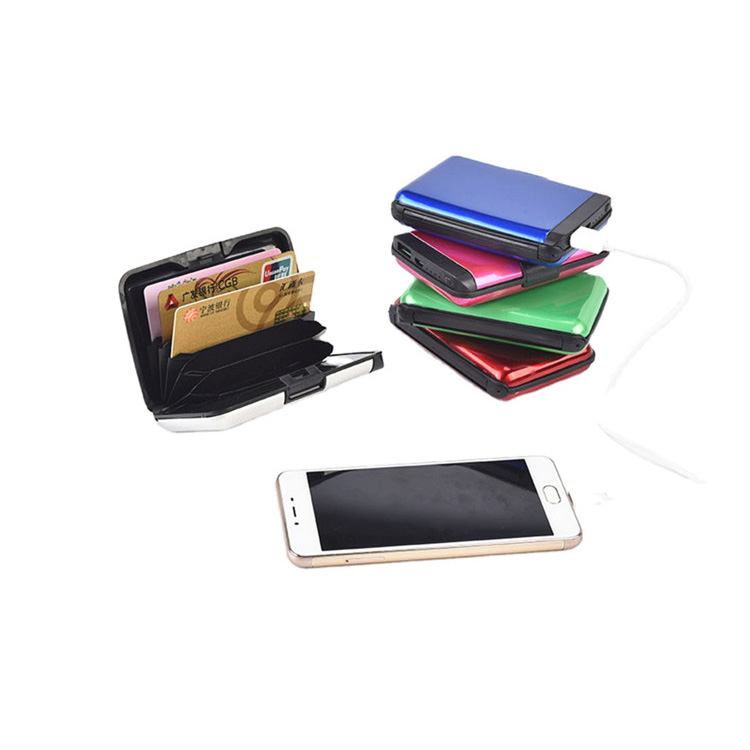
Table of Contents
- Article Outline
- Common User Pain Points
- What Is a Power Bank Wallet?
- How a Power Bank Wallet Works
- Key Benefits in Real-Life Scenarios
- Power Bank Wallet vs Traditional Solutions
- How to Choose the Right Power Bank Wallet
- Typical Use Cases
- Frequently Asked Questions
- Conclusion
Article Outline
- Understanding everyday charging and carry challenges
- Defining the structure and function of a power bank wallet
- Explaining how integrated charging improves mobility
- Comparing integrated wallets with separate accessories
- Guidance on selecting a reliable and practical model
- Real-world application scenarios and FAQs
Common User Pain Points
Despite advancements in mobile device efficiency, users still encounter recurring problems related to power management and personal item organization:
- Running out of battery during commuting or business travel
- Forgetting to carry a power bank or charging cable
- Bulky pockets caused by separate wallets and power banks
- Tangled cables and inconsistent charging performance
- Security concerns when carrying multiple loose items
These issues are particularly noticeable for professionals, frequent travelers, and urban commuters who rely on smartphones for payments, navigation, and communication throughout the day.
What Is a Power Bank Wallet?
A Power Bank Wallet is a multifunctional accessory that combines a traditional wallet with an integrated rechargeable battery. It is designed to store essential items such as cards, cash, and identification while simultaneously providing on-the-go charging for mobile devices.
Unlike standalone power banks, this type of wallet prioritizes portability and daily usability. The charging component is embedded discreetly, ensuring that the wallet remains slim and practical for everyday carry.
How a Power Bank Wallet Works
The internal structure of a power bank wallet typically includes:
- A built-in lithium battery with optimized capacity
- An integrated charging interface or concealed cable
- Card slots and compartments designed around the battery layout
- Protective materials to separate electronics from personal items
When the wallet is charged in advance, users can connect their smartphone directly to the wallet without searching for additional accessories. This seamless interaction reduces downtime and ensures consistent access to power.
Key Benefits in Real-Life Scenarios
| Benefit | Practical Impact |
|---|---|
| Integrated design | Reduces the number of items carried daily |
| Immediate access to power | Prevents missed calls, payments, or navigation failures |
| Compact form factor | Fits easily into pockets, bags, or briefcases |
| Organized storage | Keeps cards, cash, and devices in one secure place |
For users who value efficiency and minimalism, these benefits translate into a smoother daily routine with fewer disruptions.
Power Bank Wallet vs Traditional Solutions
Traditional approaches often involve carrying a separate wallet, power bank, and charging cable. While functional, this setup introduces several inefficiencies:
- Increased risk of forgetting one essential item
- Greater pocket or bag clutter
- Longer setup time when charging is needed urgently
By contrast, a power bank wallet consolidates these functions into a single product, simplifying daily carry and improving readiness in unexpected situations.
How to Choose the Right Power Bank Wallet
Selecting a suitable power bank wallet requires attention to both wallet functionality and charging reliability. Key evaluation factors include:
- Battery capacity aligned with daily usage patterns
- Material durability and craftsmanship
- Compatibility with mainstream smartphone interfaces
- Weight balance and thickness
- Safety features for battery protection
Manufacturers such as Bohong focus on balancing practical design with dependable charging performance, making their power bank wallets suitable for both professional and personal use.
Typical Use Cases
A power bank wallet is particularly valuable in the following situations:
- Daily commuting in urban environments
- Business meetings and conferences
- Air travel and long-distance transportation
- Outdoor activities with limited access to outlets
In each case, the ability to charge a device discreetly and efficiently can prevent inconvenience and improve overall productivity.
Frequently Asked Questions
Is a power bank wallet safe to carry every day?
High-quality power bank wallets are engineered with protective circuitry and insulated compartments to ensure safe daily use when handled properly.
Does a power bank wallet replace a full-size power bank?
It is designed for emergency and daily top-up charging rather than multiple full device recharges, making it ideal for short to medium usage periods.
Will the wallet feel bulky in a pocket?
Well-designed models maintain a slim profile by optimizing internal layout and battery size, keeping bulk to a minimum.
Conclusion
A Power Bank Wallet addresses common challenges related to battery anxiety and everyday carry organization by integrating two essential functions into one streamlined accessory. For users seeking efficiency, mobility, and reliability, this solution offers clear advantages over traditional setups.
Brands like Bohong continue to refine power bank wallet designs to meet the expectations of modern consumers who demand both convenience and performance. To explore practical options and discover how this product can fit into your daily routine, please contact us for more information and professional support.