

How Does a Lifting Hook Improve Safety and Efficiency in Heavy Lifting Operations?
2026-07-21
Article Summary
A lifting hook is one of the most essential components in modern lifting and material handling systems. From construction sites and manufacturing plants to ports, warehouses, and industrial facilities, reliable lifting hooks help move heavy loads safely and efficiently. However, choosing the wrong lifting hook or using it incorrectly can lead to equipment damage, operational delays, and serious safety risks.
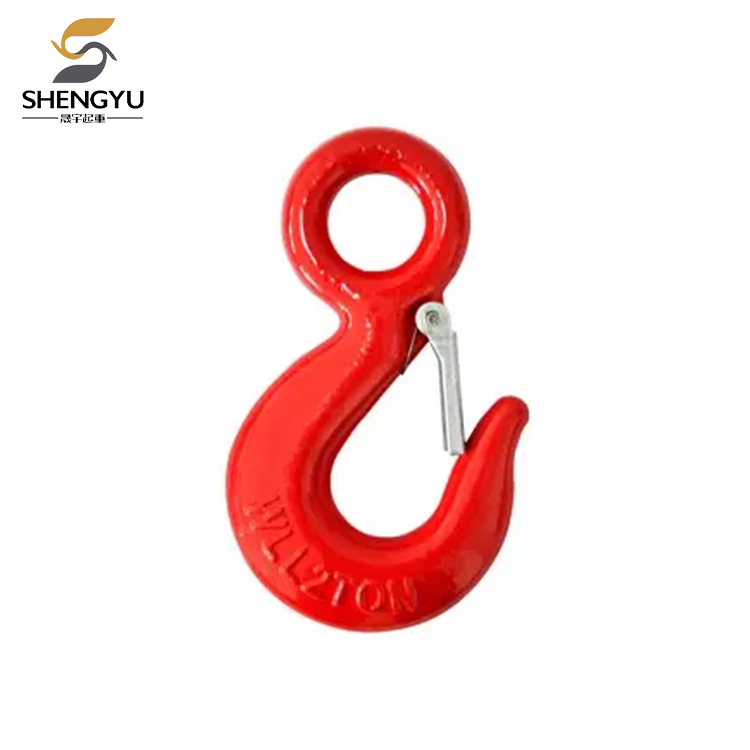
This article explains how lifting hooks work, what factors should be considered when selecting them, common problems users face, and how high-quality lifting solutions from Shengyu can help improve lifting performance. By understanding load requirements, hook designs, inspection methods, and maintenance practices, businesses can make better decisions and create safer working environments.
Table of Contents
- 1. What Is a Lifting Hook and Why Is It Important?
- 2. How Does a Lifting Hook Work?
- 3. What Are the Main Types of Lifting Hooks?
- 4. How to Choose the Right Lifting Hook for Your Application?
- 5. What Common Problems Can Lifting Hooks Solve?
- 6. How Can Businesses Improve Lifting Hook Safety?
- 7. Why Choose Shengyu Lifting Hook Solutions?
- 8. How to Maintain a Lifting Hook for Long-Term Performance?
- 9. Frequently Asked Questions About Lifting Hooks
1. What Is a Lifting Hook and Why Is It Important?
A lifting hook is a mechanical load-bearing device designed to connect lifting equipment with heavy materials. It is commonly installed on cranes, hoists, winches, and other lifting systems to safely hold and transport loads.
Although a lifting hook may appear simple, it plays a critical role in the overall safety and efficiency of lifting operations. During heavy-duty applications, the hook must withstand significant forces, repeated loading cycles, and demanding working environments.
Industries such as construction, shipbuilding, steel processing, logistics, mining, and manufacturing depend on lifting hooks because they provide:
- Secure connection between lifting equipment and loads
- Improved handling efficiency for heavy materials
- Reduced risk of accidental load dropping
- Better control during lifting and transportation
- Long service life under demanding conditions
A properly selected lifting hook is not only an accessory but also a key safety component that directly affects workplace productivity and operational reliability.
2. How Does a Lifting Hook Work?
The working principle of a lifting hook is based on transferring lifting force from the hoisting system to the load. When a crane or hoist applies upward force, the lifting hook supports the load through its curved structure and transfers the weight evenly through the hook body.
A typical lifting hook system includes several important components:
| Component | Function |
|---|---|
| Hook Body | Carries the main lifting force and supports the load. |
| Hook Eye or Shank | Connects the hook with chains, ropes, or lifting equipment. |
| Safety Latch | Helps prevent accidental release of the load. |
| Throat Opening | Provides space for attaching lifting accessories. |
| Bearing or Swivel Mechanism | Allows rotation and reduces twisting stress. |
During operation, the hook must maintain structural integrity while handling dynamic forces caused by lifting, lowering, and movement. High-quality lifting hooks are manufactured with suitable materials and precise processing methods to ensure reliable performance.
3. What Are the Main Types of Lifting Hooks?
Different lifting applications require different hook designs. Selecting the correct type helps improve safety, efficiency, and equipment compatibility.
| Lifting Hook Type | Main Features | Typical Applications |
|---|---|---|
| Single Hook | Simple structure and versatile use | General lifting operations |
| Double Hook | Provides better load distribution | Heavy industrial lifting |
| Eye Hook | Designed for chain and sling connections | Material handling systems |
| Swivel Hook | Allows rotation during lifting | Applications requiring flexible movement |
| Safety Hook | Includes locking mechanism | High-risk lifting environments |
The correct hook selection depends on factors such as load weight, lifting angle, working environment, and connection method.
4. How to Choose the Right Lifting Hook for Your Application?
Choosing a lifting hook requires careful evaluation because every lifting environment has different requirements. A hook that works well in one application may not be suitable for another.
The following factors should be considered:
- Load Capacity: Always select a lifting hook with a rated capacity higher than the maximum expected load.
- Material Quality: High-strength steel and advanced manufacturing processes improve durability and resistance to deformation.
- Working Environment: Consider exposure to moisture, chemicals, extreme temperatures, or outdoor conditions.
- Compatibility: Ensure the hook matches the crane, chain, wire rope, or lifting accessory.
- Safety Features: Safety latches and reliable locking mechanisms can reduce operational risks.
Professional suppliers such as Shengyu provide lifting hook solutions designed for different industrial requirements, helping customers achieve safer and more efficient lifting operations.
5. What Common Problems Can Lifting Hooks Solve?
Many companies experience lifting challenges caused by unsuitable equipment, inefficient handling processes, or insufficient safety measures. A properly designed lifting hook can address these problems effectively.
| Common Challenge | How Lifting Hooks Help |
|---|---|
| Difficulty moving heavy loads | Provides a secure connection for efficient lifting and transportation. |
| Frequent equipment replacement | Durable hook designs reduce wear and extend service life. |
| Load instability during lifting | Proper hook structures improve load control. |
| Workplace safety concerns | Safety features help minimize accidental release risks. |
| Low operational efficiency | Suitable hooks improve lifting speed and workflow. |
6. How Can Businesses Improve Lifting Hook Safety?
Safe lifting operations require more than selecting a quality hook. Proper inspection, correct usage, and employee training are equally important.
- Inspect lifting hooks before each use.
- Check for cracks, deformation, corrosion, or excessive wear.
- Never exceed the rated lifting capacity.
- Use compatible chains, slings, and lifting accessories.
- Ensure operators understand correct lifting procedures.
- Replace damaged hooks immediately.
Regular safety management helps prevent unexpected failures and supports continuous industrial operation.
7. Why Choose Shengyu Lifting Hook Solutions?
Shengyu focuses on providing reliable lifting equipment solutions for industrial customers. With attention to product quality, manufacturing accuracy, and practical application needs, Shengyu develops lifting hooks that support demanding working conditions.
The advantages of choosing Shengyu include:
- Professional experience in lifting equipment manufacturing
- Reliable product performance for industrial applications
- Strict attention to manufacturing quality
- Solutions suitable for different lifting requirements
- Support for customized lifting needs
By combining dependable materials, precise production processes, and customer-focused service, Shengyu helps businesses improve lifting safety and operational efficiency.
8. How to Maintain a Lifting Hook for Long-Term Performance?
Proper maintenance extends the service life of lifting hooks and ensures reliable performance. Even high-quality hooks require regular inspection and care.
| Maintenance Task | Recommended Action |
|---|---|
| Visual Inspection | Check for cracks, bending, corrosion, and surface damage. |
| Cleaning | Remove dirt, oil, and contaminants regularly. |
| Lubrication | Lubricate moving parts when required. |
| Load Testing | Perform professional testing according to regulations. |
| Replacement | Replace hooks showing serious damage or deformation. |
A preventive maintenance program reduces downtime and protects both equipment and workers.
9. Frequently Asked Questions About Lifting Hooks
Q1: What is the main purpose of a lifting hook?
A lifting hook connects lifting equipment with heavy loads and allows safe transportation during lifting operations.
Q2: How often should lifting hooks be inspected?
Lifting hooks should be inspected regularly before operation and undergo professional checks according to usage frequency and working conditions.
Q3: Can one lifting hook be used for all applications?
No. Different lifting environments require different hook designs, load capacities, and safety features.
Q4: What materials are commonly used for lifting hooks?
Most industrial lifting hooks are made from high-strength alloy steel because it provides excellent strength and durability.
Q5: How can I choose a reliable lifting hook supplier?
Choose a supplier with manufacturing experience, quality control procedures, product knowledge, and the ability to provide suitable solutions for your application.
Conclusion
A lifting hook is a vital component in modern lifting systems, directly influencing safety, efficiency, and operational reliability. Understanding hook types, selecting suitable specifications, and following proper maintenance procedures can significantly reduce risks and improve productivity.
Shengyu provides dependable lifting hook solutions designed to meet different industrial needs. Whether you require standard products or customized lifting solutions, Shengyu is ready to support your project requirements. For more information and professional assistance, please contact us.