

How Does a Cork Board Enhance Organization and Productivity?
2026-03-05
Article Summary
Cork boards are versatile organizational tools that combine practicality with aesthetic appeal. They are widely used in offices, homes, schools, and creative spaces to organize notes, reminders, schedules, and inspiration. This guide explores the benefits of cork boards, types available, selection criteria, installation methods, and common challenges faced by users. By understanding these aspects, individuals and businesses can maximize the functionality of cork boards.
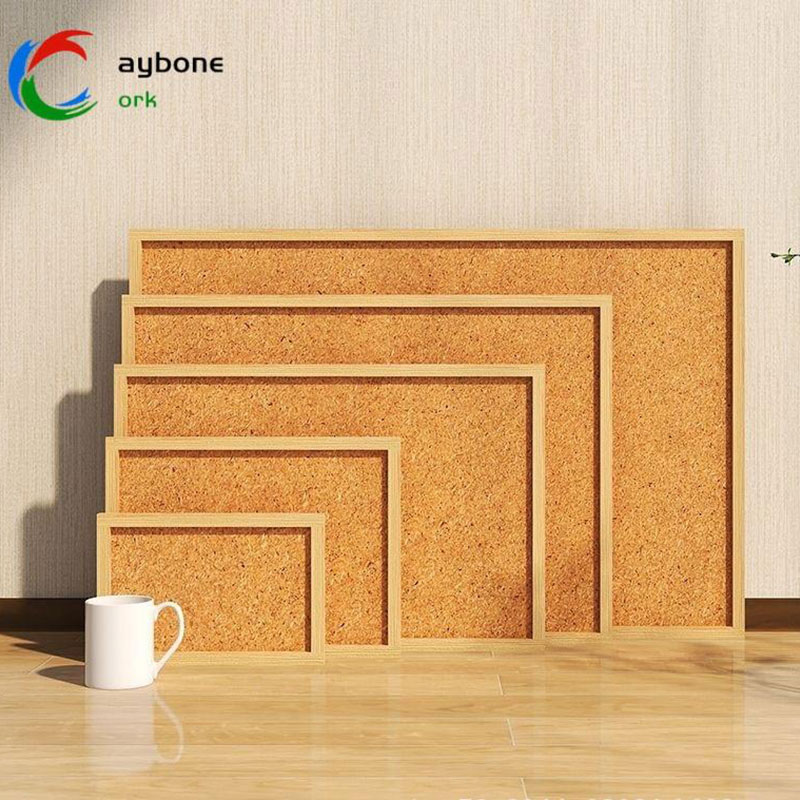
Table of Contents
- Cork Board Overview
- Common Customer Pain Points
- Types of Cork Boards
- How to Choose the Right Cork Board
- Installation and Maintenance Tips
- Cork Board Comparison Table
- Application Scenarios
- Frequently Asked Questions
- Conclusion and Contact Us
Cork Board Overview
Cork boards are made from natural cork harvested from cork oak trees, offering a renewable and environmentally friendly material choice. Their unique cellular structure allows them to self-heal after pin removal, making them ideal for frequent updates. Cork boards provide a tactile and visual interface for organizing information, supporting productivity, creativity, and collaboration in various settings.
Raybone cork boards combine quality cork with sturdy backing and smooth edges, ensuring long-lasting performance while maintaining an elegant appearance suitable for both professional and personal spaces.
Common Customer Pain Points
Even though cork boards are simple tools, users often face challenges that reduce effectiveness:
- Pins slipping or leaving uneven holes
- Board warping in humid environments
- Difficulty in mounting on walls or frames
- Limited durability for heavy or frequently moved items
- Choosing the wrong size or thickness for the intended use
- Cluttered layout reducing usability
Understanding these issues can help users select the right cork board and implement best practices to avoid common mistakes.
Types of Cork Boards
Cork boards are available in multiple types, each suitable for different purposes:
- Standard Wall Cork Board – Lightweight and ideal for home or office notes
- Framed Cork Board – Enhanced durability and aesthetic appeal
- Self-Healing Cork Board – Optimized for frequent pin insertion and removal
- Rolled Cork Sheets – Flexible solution for custom sizes and craft projects
- Bulletin Cork Board – Designed for high-traffic areas with visible notices and schedules
How to Choose the Right Cork Board
Selecting the appropriate cork board requires evaluating several factors:
- Intended use (notes, schedules, creative inspiration, announcements)
- Size and available wall space
- Cork thickness and density for durability and pin retention
- Framing options for style and protection
- Environmental factors (humidity, temperature, sun exposure)
- Ease of installation and mobility
Raybone provides expert guidance to help customers match cork board features with their specific needs, ensuring reliable performance and aesthetic integration.
Installation and Maintenance Tips
Proper installation and care extend the lifespan of cork boards and maintain their functionality:
- Use appropriate anchors and screws for wall type
- Ensure boards are mounted level and flush against the wall
- Avoid placing boards in direct sunlight or high humidity areas
- Rotate pinned items to prevent permanent impressions
- Clean the surface with a soft, dry cloth to remove dust
- Use protective frames to prevent edge damage
Following these guidelines minimizes common issues like warping, pin marks, and reduced adhesion.
Cork Board Comparison Table
| Type | Recommended Use | Advantages | Considerations |
|---|---|---|---|
| Standard Wall | Home notes, reminders | Affordable, lightweight | Limited durability for frequent use |
| Framed | Office, professional environments | Durable, aesthetic appeal | Higher cost, heavier installation |
| Self-Healing | High-traffic areas, classrooms | Longevity, minimal damage from pins | Thicker boards may require larger pins |
| Rolled Cork Sheets | Crafts, custom layouts | Flexible size, creative applications | Requires DIY installation or framing |
| Bulletin | Public announcements, notice boards | Visible, large-scale communication | May require frequent cleaning |
Application Scenarios
Cork boards are practical across multiple environments and purposes:
- Office spaces – task boards, meeting reminders, project updates
- Home – family schedules, photo displays, motivational notes
- Schools – classroom notices, student projects, event boards
- Creative studios – mood boards, design planning, idea pinning
- Retail and public spaces – promotional information, interactive customer boards
Frequently Asked Questions
Are cork boards environmentally friendly?
Yes. Cork is a renewable resource harvested without harming trees and is biodegradable.
How long does a cork board last?
With proper care, cork boards can last several years, especially self-healing and framed types.
Can I use push pins on all cork boards?
Most cork boards accept standard pins, but thicker or denser boards may require longer pins.
How do I prevent warping in humid conditions?
Choose high-density cork with protective backing and avoid placing the board in high-humidity areas.
Conclusion and Contact Us
Cork boards remain essential tools for organization, creativity, and communication in personal, professional, and educational environments. By understanding types, selection criteria, installation methods, and maintenance best practices, users can maximize efficiency and visual appeal.
Raybone provides premium cork board solutions tailored to different environments, ensuring durability, aesthetic quality, and ease of use. To enhance your workspace, classroom, or home organization, contact us today and discover how Raybone cork boards can meet your requirements and elevate your productivity.