

How Does a Cold-kept Coffee Cup Keep Your Drink Fresh and Cool All Day?
2026-03-18
Abstract: Cold beverages lose their optimal temperature quickly due to environmental heat transfer, leading to diluted taste and reduced user satisfaction. A Cold-kept Coffee Cup is engineered to solve this problem through advanced insulation structures and material science. This article provides a comprehensive explanation of how these cups function, their key features, technical parameters, selection criteria, and practical applications, helping users make informed purchasing decisions.
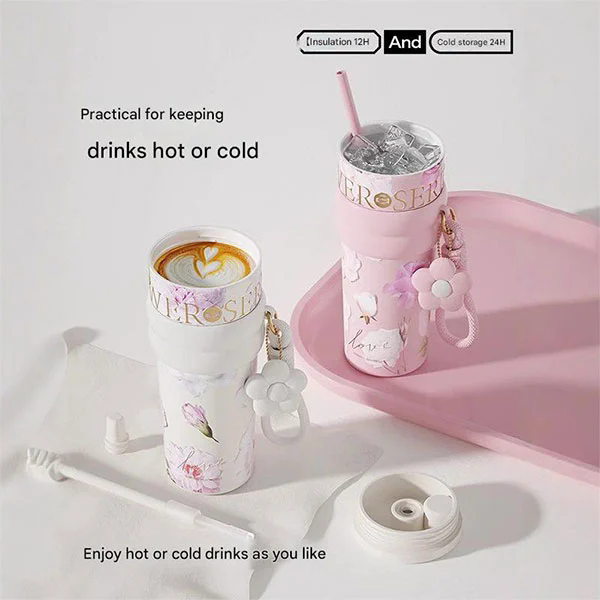
Table of Contents
- 1. Introduction to Cold-kept Coffee Cups
- 2. How Cold-kept Coffee Cups Work
- 3. Key Features and Benefits
- 4. Product Parameters Overview
- 5. How to Choose the Right Cold-kept Coffee Cup
- 6. Common User Pain Points and Solutions
- 7. Application Scenarios
- 8. Frequently Asked Questions (FAQ)
- 9. Conclusion
1. Introduction to Cold-kept Coffee Cups
Maintaining beverage temperature is a critical concern for modern consumers, especially for iced coffee lovers. Traditional cups fail to preserve cold temperatures for extended periods, resulting in ice melting quickly and altering flavor profiles.
A Cold-kept Coffee Cup is specifically designed to address these issues. By integrating high-performance insulation technology, these cups significantly reduce heat transfer, ensuring beverages remain cold for hours. Manufacturers such as Kudike have developed advanced models that combine functionality with ergonomic design, offering users both convenience and performance.
2. How Cold-kept Coffee Cups Work
The core functionality of a Cold-kept Coffee Cup lies in its insulation system. The mechanism can be explained through three main principles:
- Double-wall Vacuum Insulation: Two layers of material with a vacuum gap minimize heat conduction.
- Thermal Reflection: Inner surfaces reflect heat radiation away from the beverage.
- Air-tight Sealing: Prevents external warm air from entering the container.
These combined mechanisms reduce the three primary modes of heat transfer:
- Conduction
- Convection
- Radiation
As a result, the internal temperature remains stable for extended durations, often exceeding 6–12 hours depending on product specifications.
3. Key Features and Benefits
Cold-kept Coffee Cups offer multiple advantages that directly address user expectations and pain points:
- Extended Cooling Time: Keeps beverages cold for several hours without frequent ice refills.
- Condensation-Free Exterior: Eliminates water droplets, keeping hands and surfaces dry.
- Durable Construction: Typically made from stainless steel or BPA-free materials.
- Leak-proof Design: Secure lids prevent spills during travel.
- Eco-friendly Alternative: Reduces reliance on disposable cups.
4. Product Parameters Overview
| Parameter | Description |
|---|---|
| Material | 304 Stainless Steel / BPA-free Plastic |
| Capacity | 300ml – 900ml |
| Insulation Type | Double-wall Vacuum |
| Cold Retention Time | 6 – 12 Hours |
| Lid Type | Flip-top / Screw-on / Straw Lid |
| Weight | 250g – 600g |
| Surface Finish | Matte / Glossy / Powder Coated |
5. How to Choose the Right Cold-kept Coffee Cup
Selecting the appropriate Cold-kept Coffee Cup requires evaluating several factors:
- Usage Scenario: Daily commuting, outdoor activities, or office use.
- Capacity Needs: Larger sizes for long trips, smaller for portability.
- Insulation Performance: Look for verified cold retention durations.
- Material Safety: Ensure food-grade certification.
- Ease of Cleaning: Wide-mouth designs simplify maintenance.
Products from Kudike are engineered with these considerations in mind, offering balanced performance across different use cases.
6. Common User Pain Points and Solutions
Understanding customer challenges helps in identifying the true value of a Cold-kept Coffee Cup:
-
Pain Point 1: Ice melts too quickly
Solution: Vacuum insulation significantly slows down heat transfer. -
Pain Point 2: Exterior sweating
Solution: Double-wall construction prevents condensation. -
Pain Point 3: Leakage during transport
Solution: Advanced sealing lids ensure spill-proof performance. -
Pain Point 4: Difficulty in cleaning
Solution: Wide openings and detachable lids improve accessibility.
7. Application Scenarios
Cold-kept Coffee Cups are versatile and suitable for multiple environments:
- Office Use: Maintain cold beverages throughout working hours.
- Travel: Ideal for road trips and flights.
- Outdoor Activities: Suitable for hiking, camping, and sports.
- Daily Commute: Fits easily into car cup holders and backpacks.
8. Frequently Asked Questions (FAQ)
Q1: How long can a Cold-kept Coffee Cup keep drinks cold?
A: Most high-quality models can maintain cold temperatures for 6 to 12 hours, depending on environmental conditions and usage.
Q2: Is it safe to use for both hot and cold beverages?
A: Yes, many Cold-kept Coffee Cups are designed for dual use, although performance may vary depending on insulation quality.
Q3: How should I clean my Cold-kept Coffee Cup?
A: It is recommended to use warm water and mild detergent. Some models are dishwasher-safe, but manual cleaning extends product lifespan.
Q4: Does the cup affect the taste of coffee?
A: High-quality stainless steel interiors are designed to be non-reactive, preserving the original flavor of the beverage.
9. Conclusion
A Cold-kept Coffee Cup is an essential solution for maintaining beverage quality in modern lifestyles. Through advanced insulation technologies and thoughtful design, it effectively addresses common issues such as temperature loss, condensation, and portability.
Kudike continues to innovate in this field by offering reliable, durable, and user-oriented products that meet diverse consumer needs. Whether for daily use or outdoor activities, investing in a high-quality Cold-kept Coffee Cup ensures consistent performance and enhanced drinking experience.
For more product details and customized solutions, contact us today to explore how Kudike can meet your specific requirements.