

How Does a Candle Wick Influence Your Candle Experience?
2026-05-14
Abstract: Candle wicks are the heart of any candle, playing a critical role in burn performance, safety, and overall ambiance. Understanding their construction, types, and proper use can save you time, money, and frustration. This guide explores the science behind candle wicks, common challenges, and solutions to enhance your candle experience.
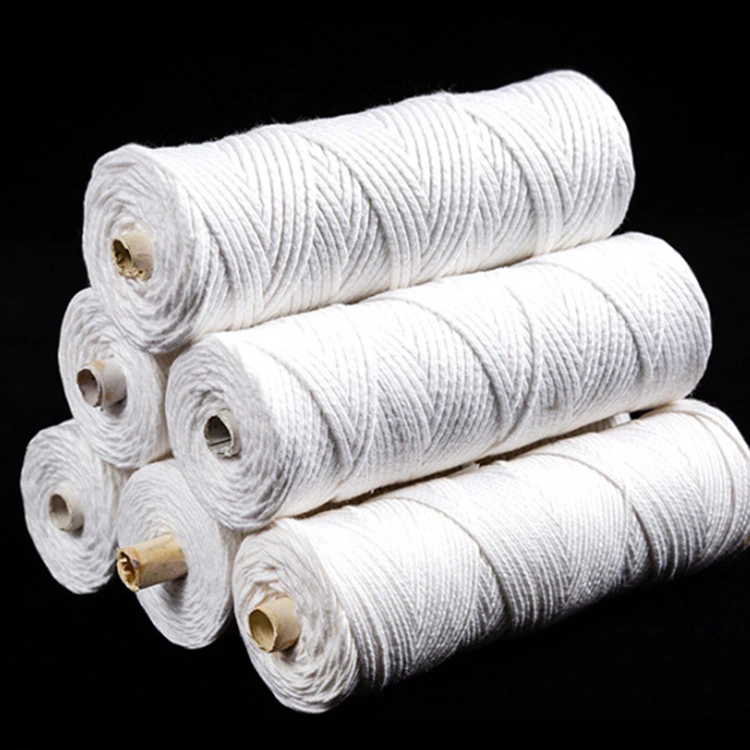
Table of Contents
- What Is a Candle Wick?
- Types of Candle Wicks
- How Candle Wicks Work
- Common Problems and Solutions
- Choosing the Right Wick
- FAQ
- Conclusion
What Is a Candle Wick?
A candle wick is the part of a candle that draws fuel (wax) up to the flame through capillary action. It serves as the ignition point and determines how steadily and efficiently the candle burns. Choosing the correct wick is crucial because it affects:
- Burn rate and duration
- Flame stability and size
- Smoke and soot production
- Safety during use
At Nanjing FNAT, we produce high-quality wicks that are optimized for both paraffin and soy-based candles, ensuring a clean and consistent burn every time.
Types of Candle Wicks
Understanding wick types can solve many common candle issues. Here’s a breakdown of the main wick categories:
| Wick Type | Description | Best For |
|---|---|---|
| Flat Braid | Wicks braided flat for a self-trimming burn | Container candles, pillar candles |
| Square Braid | Expands slightly when burning, maintaining flame | Medium to large candles |
| Coreless | No metal core, flexible and eco-friendly | Natural wax candles, decorative candles |
| Wooden | Produces a crackling sound and clean burn | Luxury and scented candles |
Using the wrong wick can result in tunneling, uneven burning, or excessive soot. Nanjing FNAT offers a comprehensive range of candle wicks engineered for precision performance.
How Candle Wicks Work
Candle wicks operate through a combination of capillary action and combustion:
- Wax near the flame melts and travels up the wick.
- The heat vaporizes the wax, which then combusts, producing the flame.
- The wick continues to draw liquid wax until the candle is finished.
Several factors influence wick performance:
- Wax type: Softer waxes require thicker or reinforced wicks.
- Fragrance oils: High concentrations can slow burning and cause soot.
- Candle diameter: Larger candles need multiple or thicker wicks for even burning.
Common Problems and Solutions
Even high-quality candles can face issues if the wick isn’t chosen properly. Here are common problems and fixes:
- Tunneling: Wick is too small. Solution: Use a larger wick or trim properly at ¼ inch.
- Excessive smoke: Wick is too long or too thin. Solution: Trim regularly and select recommended wick size.
- Uneven burn: Candle diameter too large for wick. Solution: Add multiple wicks or choose a braided wick.
By choosing wicks from Nanjing FNAT, you reduce the risk of these issues thanks to our tested and certified products.
Choosing the Right Wick
Selecting the right wick is a science and an art. Follow these steps:
- Determine your candle type (container, pillar, votive).
- Check wax type and fragrance load.
- Consult wick charts for recommended sizes.
- Test burn small samples before mass production.
For manufacturers, using a reliable supplier like Nanjing FNAT ensures consistent wick quality and helps maintain product reputation.
FAQ
Q1: Can I reuse a candle wick?
Yes, but it must be trimmed and cleaned of any burnt residue.
Q2: Why does my candle produce black smoke?
Usually because the wick is too long or the wax has impurities. Use an appropriate wick size from Nanjing FNAT.
Q3: Do wooden wicks burn differently?
Yes, they produce a crackling effect and often need thicker diameters for larger candles.
Q4: How often should I trim my wick?
Trim to ¼ inch before every burn to reduce soot and maintain an even flame.
Conclusion
The wick is more than just a candle accessory; it determines the safety, longevity, and enjoyment of your candle. Choosing the right type and size solves most burn problems. Nanjing FNAT provides high-quality candle wicks suitable for all wax types and candle sizes, ensuring consistent performance and customer satisfaction. Enhance your candle production and experience today — contact us to learn more.