

How Do You Properly Use an Air Needle Scaler for Rust and Paint Removal
2026-03-16
Surface preparation is critical in metalwork and restoration projects, and an Air Needle Scaler is one of the most effective tools for the job. When you need to remove stubborn rust or layers of old paint, knowing the correct techniques ensures efficiency and safety. At WYMA, we specialize in high-performance pneumatic tools designed for demanding industrial applications. This guide will walk you through the proper use of an Air Needle Scaler to achieve professional results.
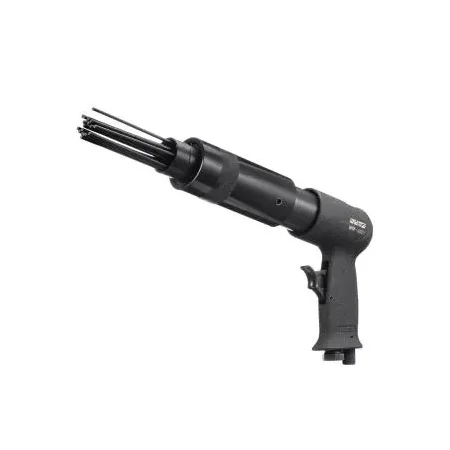
Understanding the Tool and Preparation
An Air Needle Scaler uses a set of reciprocating needles to hammer surfaces, chipping away contaminants without damaging the base material. Before you begin, selecting the right tool and setting up your workspace is essential.
WYMA recommends the following pre-operation checklist:
| Preparation Step | Description |
|---|---|
| Air Supply | Ensure your compressor provides the recommended CFM and PSI for the Air Needle Scaler. Inadequate air flow reduces performance. |
| Needle Selection | Choose needle configuration based on the surface. Flat surfaces use standard needles; curved areas may benefit from pointed or chisel configurations. |
| Personal Protection | Wear safety glasses, a face shield, hearing protection, and heavy-duty gloves. Rust and paint particles are hazardous. |
| Material Check | Verify the base metal thickness. While an Air Needle Scaler is powerful, excessive pressure on thin metals can cause warping. |
Step-by-Step Operating Procedure
Follow these steps to use your Air Needle Scaler effectively for rust and paint removal.
-
Connect the Tool: Attach the Air Needle Scaler to the air hose using a quick-connect coupler. Ensure the connection is secure to prevent pressure drops.
-
Test the Action: Before touching the work surface, depress the trigger briefly to ensure the needles are moving freely and the tool is lubricated.
-
Position the Tool: Hold the Air Needle Scaler perpendicular to the work surface. The needles should make flat, even contact.
-
Apply Controlled Pressure: Press the tool against the surface firmly enough to keep the needles in contact, but do not "lean" into it. Let the tool's hammering action do the work.
-
Maintain a Steady Pace: Move the tool slowly and steadily across the surface. Overlapping your passes ensures complete removal of rust and paint.
-
Inspect Regularly: Pause to check your progress. A properly used Air Needle Scaler will leave a clean, slightly textured surface ready for coating.
Common Applications and Best Practices
An Air Needle Scaler is versatile, but using it correctly depends on the application.
-
Heavy Rust Removal: Use a coarser needle set and a slower pass speed. The impact energy fractures the rust scale effectively.
-
Paint Stripping: For paint, a finer needle set and a faster, lighter pass often work best to avoid gouging the underlying metal.
-
Tight Spaces: The compact design of a pneumatic Air Needle Scaler makes it ideal for cleaning corners, bolt heads, and weld seams where other tools cannot reach.
WYMA tools are engineered to provide consistent impact force, making these tasks faster and reducing operator fatigue.
Air Needle Scaler FAQ
What is the difference between an Air Needle Scaler and a standard chisel hammer?
An Air Needle Scaler uses a bundle of independent, reciprocating needles that conform to the surface profile. This allows it to remove contaminants from irregular surfaces like rivets and castings without damaging the base material. A standard chisel hammer uses a single point or blade and is designed for cutting or demolition, not delicate surface cleaning.
Can I use an Air Needle Scaler on aluminum or soft metals?
Yes, you can, but with caution. An Air Needle Scaler is aggressive enough to remove paint and oxidation from aluminum, but excessive pressure or using very sharp needles can mar the surface. WYMA recommends using duller or rounded needles and practicing on a scrap piece first to gauge the tool's effect on softer substrates.
How often should I lubricate my Air Needle Scaler?
For optimal performance and longevity, you should lubricate your Air Needle Scaler daily. Use a few drops of high-quality pneumatic tool oil in the air inlet before connecting the hose. If you use the tool continuously for several hours, applying additional oil mid-day helps maintain the internal mechanisms and prevents rust inside the tool itself.
Conclusion
Mastering the use of an Air Needle Scaler transforms a difficult, time-consuming task into a swift and efficient process. By preparing your workspace, using the correct technique, and maintaining your equipment, you ensure professional-grade results every time. Whether you are removing rust from heavy machinery or stripping paint from architectural metal, the right tool makes all the difference.
For top-tier pneumatic solutions, trust WYMA to deliver the power and reliability you need. If you are ready to upgrade your surface preparation toolkit or have questions about which model suits your project, contact us today for expert advice and premium equipment.