

How Do You Properly Operate an Air Triangle and Rectangle Sander
2026-03-10
Mastering the operation of an Air Triangle and Rectangle Sander is critical for achieving a flawless finish in woodworking, auto body repair, and metal fabrication. This pneumatic tool excels in accessing tight corners and covering flat surfaces. At WYMA, we understand that proper technique not only improves results but also extends the life of your equipment. This guide provides a professional breakdown of how to handle this versatile tool effectively.
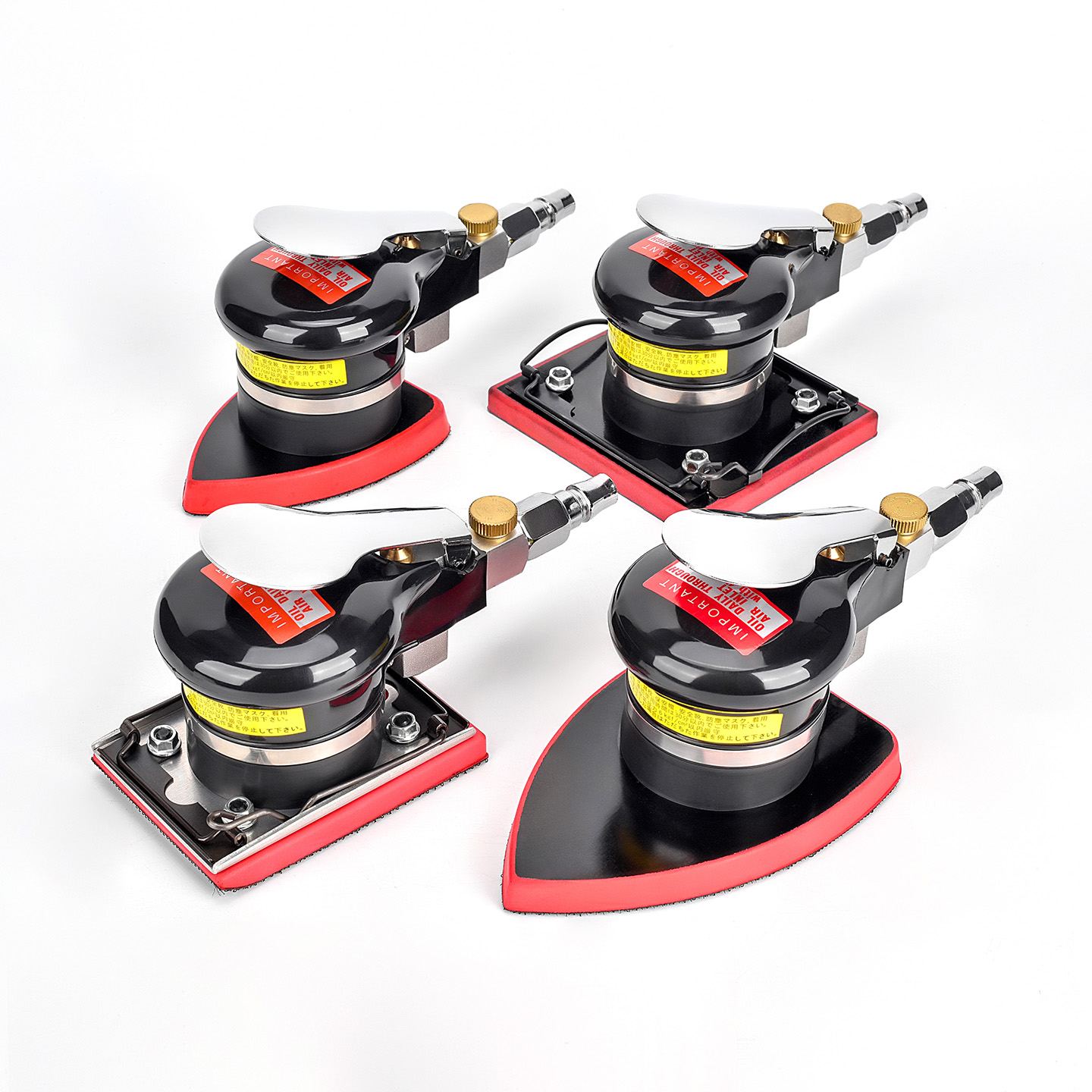
Step-by-Step Operating Procedures
To ensure efficiency and safety, follow these operational protocols for your Air Triangle and Rectangle Sander:
-
Air Supply Setup: Connect the sander to a clean, dry air source. WYMA recommends maintaining a pressure of 90 PSI at the tool inlet for optimal performance. Use a hose with a minimum diameter of 3/8英寸 to prevent pressure drops.
-
Pad and Paper Selection: Ensure the sanding pad is clean and undamaged. Align the holes in the sanding paper with the dust extraction ports on the Air Triangle and Rectangle Sander to maximize debris collection.
-
Speed Control: Adjust the regulator on the tool. Use lower speeds (5,000–8,000 RPM) for plastics or soft metals, and higher speeds (10,000–12,000 RPM) for aggressive stock removal on hardwood or steel.
-
Sanding Technique: Hold the sander with a firm but gentle grip. Let the tool's orbital action do the work. Apply minimal downward pressure; forcing the tool can cause swirl marks or stall the mechanism.
-
Dust Management: Always connect a vacuum or dust collection system to the integrated port. This keeps the workspace visible and prevents the abrasive paper from clogging.
Selecting the Right Pad Configuration
Choosing the correct shape and grit sequence is essential for project success. Refer to the table below for guidance on using your Air Triangle and Rectangle Sander effectively:
| Pad Shape | Best Application | Recommended Grit Sequence (Progressive) |
|---|---|---|
| Triangle Pad | Corner sanding, tight profiles, window frames, door jambs. | Start with 80 grit to strip paint, move to 150 grit to smooth, finish with 240 grit for prep. |
| Rectangle Pad | Flat panels, edge sanding, large surface area leveling. | Begin with 120 grit for imperfections, advance to 180 grit for general sanding, conclude with 320 grit for finishing. |
Critical Safety and Maintenance Checks
Professional operation of an Air Triangle and Rectangle Sander requires vigilance. Before each use, inspect the pad for wear or tears. Lubricate the air motor daily with a few drops of pneumatic tool oil to prevent internal rust. Always wear appropriate PPE, including impact-resistant eye protection and a dust mask, as the fine particulate generated can be hazardous.
FAQ: Air Triangle and Rectangle Sander
Q: What is the main advantage of using an Air Triangle and Rectangle Sander over an electric sander?
A: The primary advantage lies in the power-to-weight ratio and durability. An Air Triangle and Rectangle Sander, like those from WYMA, is significantly lighter than most electric units, reducing operator fatigue during extended use. Pneumatic motors do not burn out when stalled, making them ideal for continuous professional use. They also offer variable speed control with a simple regulator and are inherently safer in environments where flammable vapors may be present, as there are no electrical sparks.
Q: How do I prevent the Air Triangle and Rectangle Sander from leaving swirl marks on my workpiece?
A: Swirl marks are typically caused by incorrect technique or debris. First, ensure you are using the correct grit progression; jumping from a coarse grit to a very fine grit can leave deep scratches. Second, always connect the dust extraction. If debris gets between the pad and the work, it will act like loose grit and cause scratching. Finally, WYMA recommends using a sanding pad with a "stickfix" (hook and loop) surface that is in good condition. A worn-out loop surface may not hold the paper flat, leading to uneven sanding patterns.
Q: Can I use the same Air Triangle and Rectangle Sander for both drywall and wood sanding?
A: While technically possible, it is not recommended for professional results due to cross-contamination. The dust particles from drywall compound are very fine and abrasive. If you use the same Air Triangle and Rectangle Sander for wood afterwards, the residual drywall dust embedded in the hook-and-loop pad can contaminate the wood surface and cause finish adhesion issues. It is best practice to dedicate specific tools or at the very least, thoroughly clean the WYMA sander's pad and dust pathways with compressed air when switching between radically different materials.
Contact Us for Expert Support
Selecting and operating the right tool is the foundation of exceptional craftsmanship. WYMA is dedicated to providing high-performance pneumatic solutions tailored to your specific needs. If you have further questions about optimizing your workflow with our Air Triangle and Rectangle Sander, our technical team is ready to assist. Contact Us today for personalized advice or to explore our full range of professional sanding equipment.