

How Do Medical Bandages Improve Wound Care Outcomes?
2026-01-23
Article Summary
Medical bandages are essential in managing wounds, supporting injured body parts, and promoting healing across clinical, home care, and emergency settings. This article examines the different types of medical bandages, how they function in wound care, criteria for selection, proper application techniques, and answers frequently raised questions from patients and healthcare providers. Practical guidance and structured insights aim to empower informed decisions for optimal wound management.
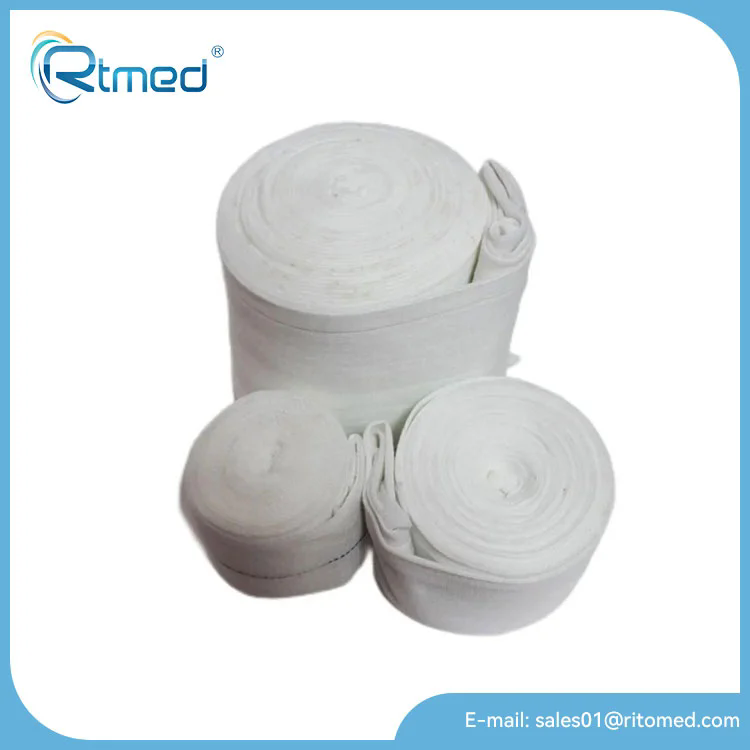
Table of Contents
- Overview of Medical Bandages
- Common Types of Medical Bandages
- Selecting the Right Bandage
- Proper Application Techniques
- Frequently Asked Questions
- Conclusion and Contact Information
Overview of Medical Bandages
Medical bandages are specialized dressings designed to protect wounds, control bleeding, stabilize injuries, and support healing. They serve multiple roles including securing wound dressings, applying pressure, immobilizing injured limbs, and maintaining a physiologically beneficial environment at the injury site. Selecting appropriate bandaging solutions can minimize complications such as infection, swelling, or delayed healing, particularly in postoperative or chronic wound cases. Medical bandages vary in design, material, and intended use depending on clinical needs. :contentReference[oaicite:0]{index=0}
Common Types of Medical Bandages
| Bandage Type | Description | Typical Use Cases |
|---|---|---|
| Gauze Bandages | Lightweight woven or non-woven cotton bandages that secure dressings and allow airflow. | Minor cuts, abrasions, and securing primary wound pads. |
| Elastic Bandages | Stretchable wraps that provide controlled compression. | Sprains, strains, and edema management. :contentReference[oaicite:1]{index=1} |
| Adhesive Bandages | Small self-adhesive dressings with absorbent pads. | Small wounds, lacerations, and superficial cuts. :contentReference[oaicite:2]{index=2} |
| Hydrocolloid Dressings | Biodegradable, self-adhesive bandages that absorb wound exudate. | Superficial open wounds requiring moist healing. :contentReference[oaicite:3]{index=3} |
| Emergency Bandages | Pressure bandages designed for rapid hemorrhage control. | Traumatic injuries and emergency first-aid scenarios. :contentReference[oaicite:4]{index=4} |
Each category has advantages in specific clinical contexts; for example, hydrocolloid dressings maintain a balanced moisture environment to facilitate granulation tissue formation, while elastic wraps can help manage swelling through graduated pressure.
Selecting the Right Bandage
Choosing a bandage depends on several factors related to the wound and patient condition. Consider the following criteria:
- Wound Size and Depth: Large or deep wounds generally need more secure dressings and may require multiple bandages layered for protection.
- Skin Sensitivity: Patients with sensitive or compromised skin may benefit from hypoallergenic or latex-free materials.
- Mobility and Joint Involvement: Areas near joints often need elastic or conforming bandages to maintain flexibility without compromising support.
- Infection Risk: Antimicrobial bandages or those that maintain a closed environment can reduce bacterial contamination.
- Pressure Requirements: Compression bandages are appropriate for swelling or circulatory conditions when proper fitting and avoidance of circulation restriction are ensured.
Selection should be informed by clinical assessment where possible to avoid complications associated with improper bandage type or application.
Proper Application Techniques
Correct application of a medical bandage helps maintain effectiveness and patient comfort. Follow these general steps:
- Prepare the Wound: Clean the area with sterile saline and gently pat dry; apply antiseptic if indicated and appropriate primary dressing.
- Apply the Bandage: Start anchoring proximal to the wound and wrap evenly without excessive tension to avoid restricting blood flow.
- Check Circulation: After securing, verify distal circulation by checking warmth and color of the skin beyond the bandaged area.
- Monitor and Change: Replace soiled or wet bandages promptly to prevent infection and maintain a clean healing environment.
Proper technique ensures that compression and protection are balanced to support optimal wound healing and patient comfort.
Frequently Asked Questions
Q: What is the difference between elastic and non-elastic bandages?
A: Elastic bandages stretch and provide controlled compression useful for swelling and support of joints, while non-elastic bandages primarily secure dressings and protect wounds without adding significant pressure.
Q: How often should bandages be changed?
A: Bandages should be changed when they become soiled, lose integrity, or at intervals recommended by a healthcare provider, typically daily for open wounds to minimize contamination risk.
Q: Can any bandage be used for bleeding control?
A: Bandages designed for emergency use, such as pressure or trauma bandages, are more effective for active bleeding due to their construction for rapid hemorrhage control.
Q: How can allergic reactions to bandages be minimized?
A: Choosing latex-free and hypoallergenic materials reduces the risk of irritation; if sensitivity persists, consult a healthcare provider for alternative options.
Conclusion and Contact Information
Medical bandages are versatile tools in wound management, offering functions from protective covering to compression and support. Understanding their types, selection criteria, and proper use enhances healing outcomes and reduces the risk of complications.
RTMED provides a range of high-quality medical bandages designed to meet clinical and home healthcare needs across diverse scenarios. For personalized recommendations, bulk supply inquiries, or application guidance, please contact us and our team will support you with professional solutions.