

Summary: Impact Beds Regular represent a critical component in industrial dust collection and pneumatic conveying systems. This detailed guide explains how they function, why they matter to dust collectors, and how they solve common operational challenges such as reducing wear, preventing clogging, and supporting system longevity. The content breaks down key features, operational benefits, installation considerations, maintenance best practices, and answers frequently asked questions to help facility managers and engineers make informed decisions when evaluating or upgrading their equipment.
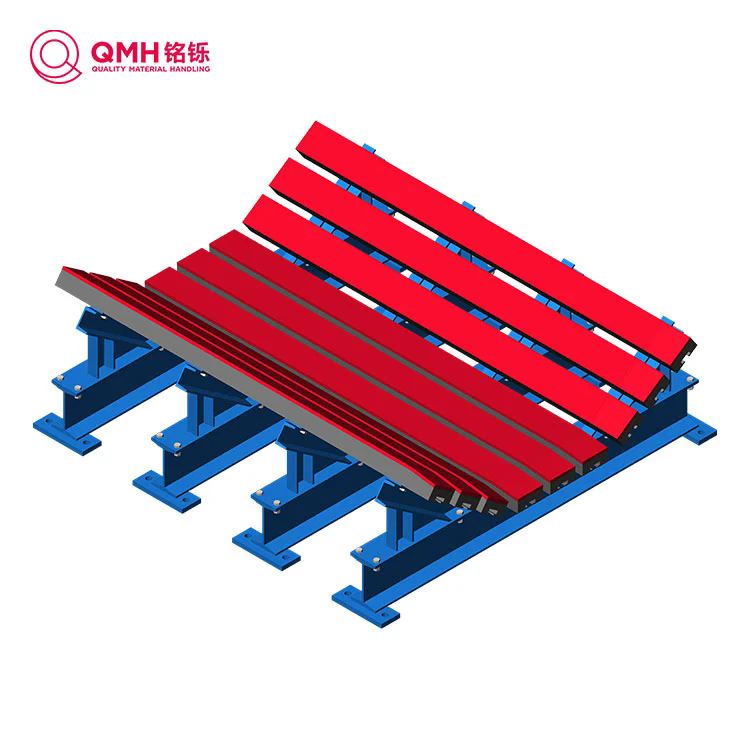
Table of Contents
Understanding Impact Beds Regular
Impact Beds Regular are engineered components designed to absorb the kinetic energy of particulate-laden airflow where it enters a dust collection system. They serve as a buffer or “bed” that prevents high-velocity impact on the primary filtration media such as filter bags or cartridges. By dispersing the force of incoming material, they protect the system, extend filter life, and support efficient dust collection across diverse industrial environments.
Although they are part of larger industrial systems, the design and material selection of Impact Beds Regular directly influence overall performance. These beds are often installed at the inlet or transition points where conveying lines feed into dust collectors. Their purpose is both protective and functional: preventing excessive wear, minimizing re-entrainment of dust, and facilitating smoother airflow patterns through the collector.
Common Industrial Dust Collector Challenges
Industrial facilities across manufacturing, mining, woodworking, and pharmaceutical sectors frequently encounter similar dust collection issues. Understanding these pain points helps clarify why Impact Beds Regular are valuable.
- Filter Damage From High-Velocity Particles: When particulate matter enters at high speeds, filter media can quickly degrade.
- Clogging and Blinding: Fine particles accumulate unevenly when airflow is turbulent or poorly directed.
- Inconsistent Airflow: Uneven distribution of incoming air can reduce system efficiency and increase energy use.
- Increased Maintenance Costs: Frequent replacement of filters and related parts drives up operational expense.
Impact Beds Regular directly address these issues by controlling the dynamics of incoming dust and airflow before it reaches sensitive components.
Key Features and Operational Benefits
The following table highlights the primary features of Impact Beds Regular and the practical benefits they deliver:
| Feature | Benefit |
|---|---|
| High-impact resistant media | Reduces premature wear on filter elements |
| Optimized airflow channels | Improves dust separation and collection efficiency |
| Durable construction materials | Extends service life under heavy loads and abrasive dust |
| Modular design | Enables easy installation and replacement |
| Custom-fit options | Fits diverse dust collector configurations |
Operationally, these design attributes support tangible performance improvements:
- Reduced Downtime: By lowering the rate of filter failures and maintenance needs.
- Extended Filter Longevity: Less abrasion and particulate impact means fewer replacements.
- Improved System Efficiency: Stable airflow through the dust collector enhances capture efficiency and reduces energy consumption.
- Cost Savings: Lower total cost of ownership through reduced consumables and labor.
Selection and Installation Considerations
Choosing the right Impact Beds Regular requires evaluating several technical factors. The table below presents key selection criteria and why each matters:
| Criteria | Importance |
|---|---|
| Particle size distribution | Helps determine appropriate impact media and flow conditioning |
| System airflow rate | Affects size and design of the impact bed element |
| Operating temperature | Influences material selection for durability |
| Dust abrasiveness | Guides choice of impact surface and protective layers |
| Installation space constraints | Ensures proper fit and retrofitting feasibility |
Proper installation typically involves:
- Verifying dimensions relative to the ducting and collector inlet.
- Ensuring secure fastening with minimal leakage pathways.
- Testing airflow post-installation to confirm distribution uniformity.
- Documenting baseline performance for comparison after operation.
Maintenance Best Practices
Routine maintenance is essential to sustain the benefits provided by Impact Beds Regular. The following list outlines core best practices:
- Scheduled Inspections: Check for wear, buildup, or displacement of the impact bed media at regular intervals.
- Clean Airflow Paths: Ensure that deposited material does not block airflow channels or cause unbalanced loading.
- Replacement Planning: Track usage hours and performance trends to plan timely replacements rather than reactive fixes.
- Record Keeping: Maintain detailed logs of maintenance actions, findings, and performance impacts.
Adhering to these practices improves operational predictability and prolongs the life of both the impact bed components and the downstream filtration system.
Frequently Asked Questions
Q1: How often should an Impact Bed Regular be inspected?
Inspections should align with the facility’s dust load and operating schedule. For heavy dust environments, a monthly check is recommended; for moderate conditions, quarterly inspections often suffice.
Q2: Can an Impact Bed Regular retrofit to older dust collector models?
Yes. Most manufacturers offer custom or adjustable configurations to fit legacy equipment, provided that measurements are accurate and mounting adaptations are feasible.
Q3: Does installing an Impact Bed Regular require system downtime?
Minimal downtime is typically needed. Installation can be coordinated with scheduled maintenance windows for the dust collection system to minimize disruptions.
Q4: What materials are Impact Beds Regular typically made from?
They are often made from high-density engineered materials such as sintered metals, ceramic composites, or reinforced polymer media chosen for abrasion resistance and strength.
Conclusion
Impact Beds Regular play a pivotal role in protecting dust collection systems from the damaging effects of high-velocity particulate impact, promoting steady airflow, and reducing maintenance burdens. Selecting the right design and implementing robust maintenance routines enhances system reliability and operational cost efficiency. If you are assessing your dust collection strategies or planning upgrades, consider how Impact Beds Regular can deliver measurable improvements in performance and longevity.
For tailored guidance on selecting and installing Impact Beds Regular that match your specific operational needs, contact QMH today and contact us for expert support and customized solutions.