

How Do Immersion Heaters Work? A Complete Guide to Industrial Heating Solutions
2026-07-01
Article Summary
Immersion heaters are widely used electric heating devices designed to heat liquids, gases, and industrial fluids efficiently and reliably. This article explains how immersion heaters work, their main types, applications, advantages, installation considerations, and maintenance practices. It also helps buyers understand how to select the right solution for different industrial environments. The content is especially useful for engineers, procurement managers, and facility operators seeking stable and cost-effective thermal solutions.
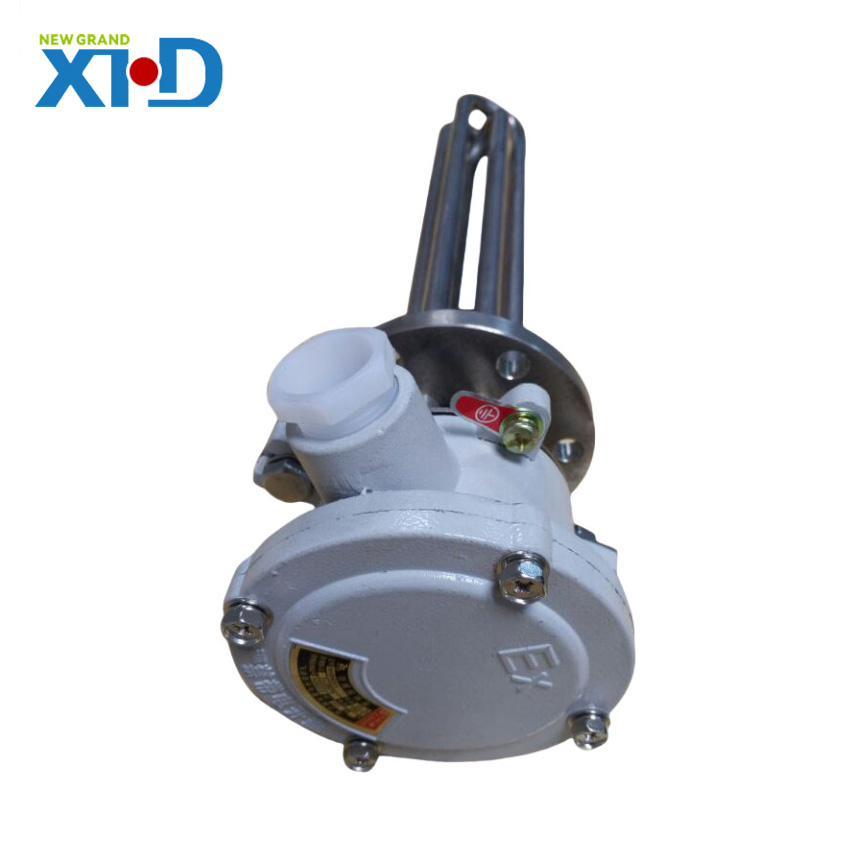
Table of Contents
- Introduction
- What Are Immersion Heaters?
- How Immersion Heaters Work
- Types of Immersion Heaters
- Key Applications
- Benefits of Immersion Heaters
- How to Select the Right Immersion Heater
- Installation and Safety Guidelines
- Maintenance and Troubleshooting
- FAQ
- Conclusion and Contact
Introduction
In modern industrial processes, temperature control is a critical factor that directly affects efficiency, product quality, and operational safety. Among various heating technologies, immersion heaters stand out for their simplicity, efficiency, and versatility. They are commonly used in tanks, pipelines, and containers where direct heat transfer to a medium is required.
Manufacturers such as Xinhongda Electric Heating Technology Co., Ltd. specialize in providing high-performance immersion heating solutions designed for demanding industrial environments, ensuring consistent thermal output and long service life.
What Are Immersion Heaters?
Immersion heaters are electrical heating devices designed to be directly immersed into a liquid or gas medium. They convert electrical energy into heat through resistive elements, which then transfer heat directly to the surrounding fluid. This direct contact method allows for fast heating response and high energy efficiency.
Typical fluids heated by immersion heaters include:
- Water (industrial or potable systems)
- Oil (thermal oil systems)
- Chemical solutions
- Gases in controlled environments
How Immersion Heaters Work
The working principle of immersion heaters is based on Joule heating. When electric current passes through a resistive heating element, electrical energy is converted into thermal energy.
Basic Working Process:
- Electric current flows through a resistive element (usually nickel-chromium alloy).
- The element generates heat due to electrical resistance.
- Heat is transferred directly to the surrounding liquid or gas.
- The temperature is regulated by thermostats or control systems.
Because heat is directly transferred without intermediate media, immersion heaters offer high thermal efficiency and rapid response times.
Types of Immersion Heaters
Different industrial scenarios require different heater designs. Below is a comparison of common immersion heater types:
| Type | Description | Common Use |
|---|---|---|
| Screw Plug Immersion Heater | Threaded design for direct tank installation | Water heating systems, small tanks |
| Flanged Immersion Heater | Mounted using flange connections for high-power applications | Large industrial tanks, oil heating |
| Over-the-Side Heater | Mounted over tank wall for easy maintenance | Corrosive liquid heating |
| Circulation Heater | Heats fluids in a flowing system | Pipelines and process heating |
Key Applications
Immersion heaters are used across multiple industries due to their adaptability and reliability.
- Chemical processing plants
- Food and beverage production
- Oil and gas heating systems
- Pharmaceutical manufacturing
- Water treatment facilities
- Industrial cleaning systems
In each of these sectors, precise temperature control is essential to maintain process stability and product consistency.
Benefits of Immersion Heaters
Immersion heaters offer several advantages over indirect heating methods:
- High efficiency: Direct heat transfer reduces energy loss
- Fast heating response: Quick temperature rise
- Compact design: Easy installation in confined spaces
- Cost-effective: Lower operational and maintenance costs
- Flexible application: Suitable for multiple fluid types
These advantages make immersion heaters a preferred choice for industrial heating systems requiring reliability and performance.
How to Select the Right Immersion Heater
Selecting the correct immersion heater requires careful evaluation of operational conditions and process requirements.
Key Selection Factors:
- Type of medium (water, oil, chemical solution)
- Operating temperature range
- Power rating and voltage requirements
- Material compatibility (stainless steel, Incoloy, etc.)
- Installation environment (corrosive, high-pressure, etc.)
Engineers from Xinhongda Electric Heating Technology Co., Ltd. often assist clients in customizing heating systems to ensure optimal performance under specific working conditions.
Installation and Safety Guidelines
Proper installation is essential for ensuring efficiency and preventing operational risks.
- Ensure the heater is fully immersed before operation
- Use appropriate grounding for electrical safety
- Avoid dry firing conditions
- Install temperature control devices
- Follow manufacturer wiring diagrams strictly
Safety systems such as thermostats and thermal cut-offs are recommended to prevent overheating and equipment damage.
Maintenance and Troubleshooting
Regular maintenance improves performance and extends service life.
Maintenance Checklist:
- Inspect heating elements for scaling or corrosion
- Check electrical connections periodically
- Clean deposits from immersion surfaces
- Verify thermostat accuracy
Common Issues:
- Reduced heating efficiency due to scaling
- Element burnout caused by dry operation
- Electrical insulation failure
Routine inspection and preventive maintenance significantly reduce downtime and repair costs.
FAQ
Q1: Can immersion heaters be used in corrosive liquids?
Yes, with proper material selection such as titanium or special alloys, immersion heaters can operate safely in corrosive environments.
Q2: How long do immersion heaters last?
Service life depends on usage conditions, but well-maintained systems can last several years under industrial operation.
Q3: Are immersion heaters energy efficient?
Yes, due to direct heat transfer, they minimize energy loss and provide high efficiency compared to indirect heating systems.
Q4: Can temperature be controlled automatically?
Yes, most systems integrate thermostats or digital controllers for precise temperature regulation.
Conclusion and Contact
Immersion heaters remain one of the most efficient and reliable heating technologies for industrial applications. Their simplicity, adaptability, and performance make them indispensable in modern manufacturing and processing environments. Choosing the right system requires careful analysis of application requirements, material compatibility, and safety standards.
As a professional manufacturer, Xinhongda Electric Heating Technology Co., Ltd. provides customized immersion heating solutions designed to meet diverse industrial needs. With advanced engineering capabilities and strict quality control, the company supports clients in achieving stable and efficient thermal performance.
If you are looking for reliable industrial heating solutions or need technical support for your project, please contact us to discuss your requirements and get a tailored solution for your application.