

How Canned Wipes Work?
2026-02-10
Article Summary
Canned wipes have become an essential hygiene solution across households, healthcare facilities, food service environments, and industrial workplaces. Unlike traditional wipe packaging, canned wipes offer superior moisture retention, controlled dispensing, and enhanced contamination protection. This article explains how canned wipes work, what problems they solve, how to choose the right product, and where they deliver the greatest value. Practical insights are provided to help buyers make informed decisions while ensuring safety, efficiency, and consistent performance.
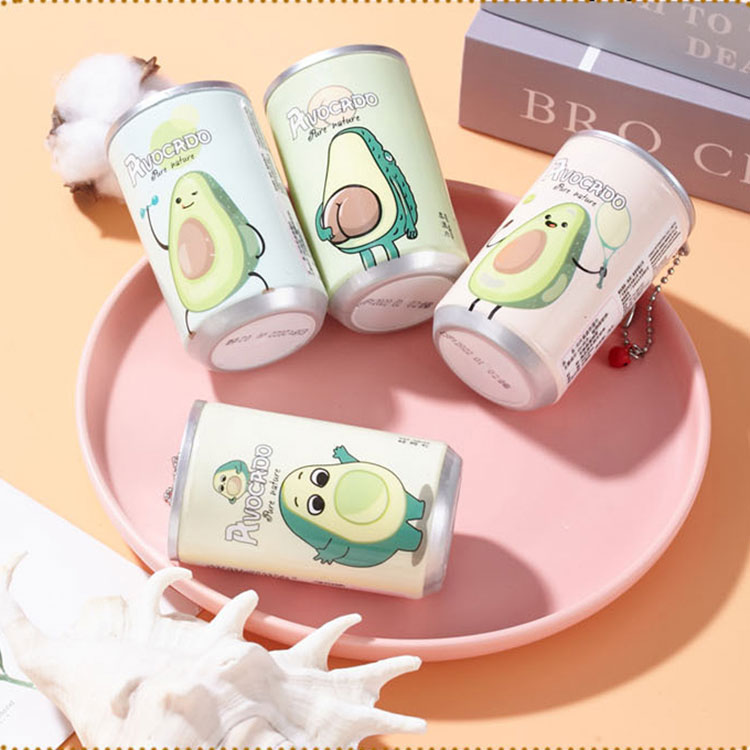
Table of Contents
- Understanding the Core Structure of Canned Wipes
- Why Traditional Wipes Often Fail User Expectations
- How the Sealed Canister System Solves Hygiene Challenges
- Key Application Scenarios Across Industries
- Material and Formula Considerations
- How to Select the Right Canned Wipes
- Comparison Table: Canned Wipes vs Other Formats
- Common Mistakes to Avoid
- Frequently Asked Questions
- Conclusion and Next Steps
Understanding the Core Structure of Canned Wipes
Canned wipes consist of nonwoven fabric rolls or folded sheets saturated with a pre-formulated liquid solution and stored inside a rigid, sealed canister. The container is designed to maintain internal humidity, prevent external contamination, and allow single-sheet dispensing through a central opening.
This structure ensures that every wipe remains evenly moist from the first sheet to the last. The canister also protects the wipes from air exposure, dust, and accidental spills, which are common issues in soft-pack or open-lid formats.
Why Traditional Wipes Often Fail User Expectations
Many users experience frustration with conventional wipes due to rapid drying, inconsistent saturation, or hygiene risks caused by repeated hand contact. These issues can lead to wasted product, reduced cleaning effectiveness, and potential cross-contamination.
- Wipes dry out quickly after opening
- Multiple sheets pulled out unintentionally
- Exposure to airborne contaminants
- Short usable life after first use
Canned wipes were developed specifically to eliminate these weaknesses while improving reliability in daily use.
How the Sealed Canister System Solves Hygiene Challenges
The defining feature of canned wipes is the airtight or semi-airtight canister. This system slows evaporation and keeps the internal environment stable. The dispensing lid is engineered to release one wipe at a time, minimizing direct contact with remaining wipes.
As a result, canned wipes deliver:
- Consistent moisture levels
- Reduced risk of bacterial exposure
- Longer shelf life after opening
- Improved user convenience
Key Application Scenarios Across Industries
Canned wipes are widely adopted due to their adaptability across different environments. Their controlled dispensing and sealed storage make them suitable for both sensitive and high-frequency use cases.
- Medical and healthcare facilities
- Food processing and catering services
- Household surface and personal cleaning
- Industrial maintenance and equipment care
- Travel, outdoor, and emergency hygiene kits
Material and Formula Considerations
The effectiveness of canned wipes depends heavily on the combination of wipe material and liquid formulation. Nonwoven fabrics such as spunlace or airlaid materials provide strength, absorbency, and softness. The solution may vary depending on intended use.
- Alcohol-free formulas for sensitive skin
- Disinfectant solutions for medical environments
- Degreasing agents for industrial cleaning
- Moisturizing additives for personal care
Selecting the appropriate balance ensures safety, comfort, and performance.
How to Select the Right Canned Wipes
Choosing the correct canned wipes requires evaluating usage frequency, environment, and compliance needs. Buyers should focus on product consistency, container durability, and formula transparency.
- Confirm compatibility with the intended surface or skin
- Check canister seal quality and dispensing design
- Review material thickness and tensile strength
- Ensure stable supply and manufacturing standards
Comparison Table: Canned Wipes vs Other Formats
| Feature | Canned Wipes | Soft Pack Wipes | Dry Wipes |
|---|---|---|---|
| Moisture Retention | High and consistent | Moderate | None |
| Hygiene Protection | Strong | Limited | User-dependent |
| Dispensing Control | Single-sheet | Multiple-sheet risk | Manual |
| Application Range | Wide | Moderate | Limited |
Common Mistakes to Avoid
Despite their advantages, improper use or selection can reduce the benefits of canned wipes. Avoid these common mistakes:
- Using surface wipes on skin without verification
- Leaving the lid open after dispensing
- Storing canisters in high-temperature environments
- Ignoring compatibility with sensitive materials
Frequently Asked Questions
Are canned wipes reusable?
Canned wipes are designed for single-use applications to maintain hygiene standards. Reuse is not recommended.
Do canned wipes dry out over time?
When properly sealed, canned wipes retain moisture far longer than traditional packaging formats.
Can canned wipes be customized for specific industries?
Yes, wipe material, solution composition, and canister size can be tailored to meet different operational requirements.
Conclusion and Next Steps
Canned wipes represent a reliable, hygienic, and efficient solution for modern cleaning and personal care needs. Their sealed design, consistent performance, and versatility make them suitable for both professional and everyday use. Businesses seeking dependable hygiene solutions benefit from choosing high-quality canned wipes that align with their operational demands.
Ranjin provides professionally manufactured canned wipes designed for diverse application scenarios. To explore customized solutions and reliable supply options, contact us today and connect with a team ready to support your hygiene product needs.