

How Can Wet Wipes Solve Everyday Hygiene Challenges?
2026-01-22
Article Summary: This article explores the role of wet wipes in modern hygiene routines, addressing key consumer pain points such as skin sensitivity, convenience, portability, and environmental concerns. It explains different types of wipes, their applications, material considerations, and practical tips for selection and use. By the end, readers will understand how to choose the right wet wipes for their needs and how products from companies like Ranjin can deliver effective solutions.
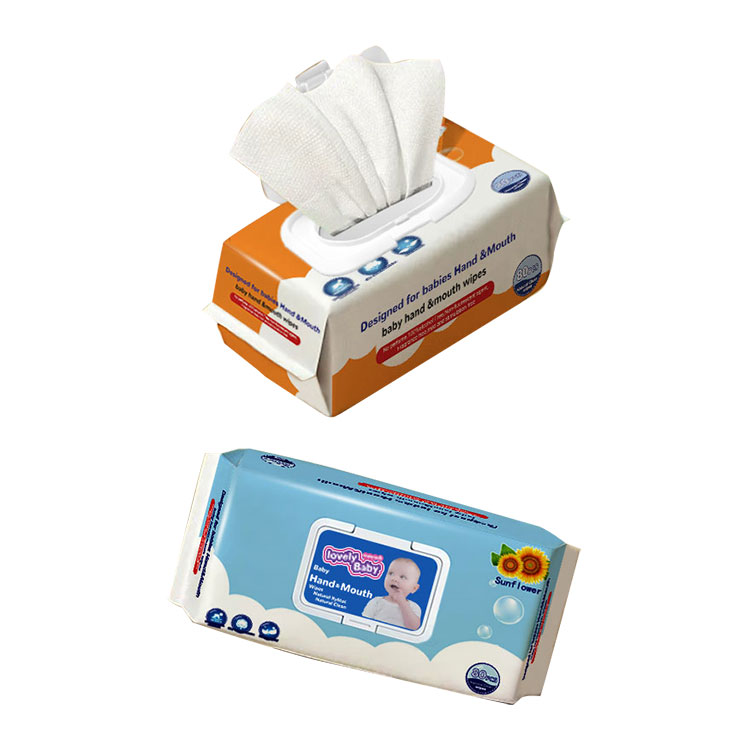
Table of Contents
- Common Consumer Pain Points with Wet Wipes
- Types and Everyday Applications
- Key Benefits of Wet Wipes
- Tips for Choosing the Right Wet Wipes
- Frequently Asked Questions
Common Consumer Pain Points with Wet Wipes
Wet wipes are widely used for personal hygiene, baby care, surface cleaning, and travel. Despite their popularity, consumers often encounter challenges that diminish satisfaction. Understanding these pain points helps in selecting products that truly meet user needs.
1. Skin Sensitivity and Irritation
Many traditional wet wipes contain chemicals such as alcohol, artificial fragrances, and harsh preservatives that can irritate sensitive skin. This is especially problematic for infants, individuals with allergies, and those with delicate skin. Harsh additives can disrupt the skin’s natural barrier, leading to redness, itching, or dermatitis. Opting for mild formulations with natural extracts such as aloe vera or vitamin E can significantly reduce discomfort.
2. Poor Moisture Retention and Packaging Issues
One frequent complaint is that wipes dry out too fast due to substandard packaging seals or poor container design. Once moisture is lost, the product becomes ineffective and wasteful. Quality packaging with effective moisture-lock seals ensures consistent performance.
3. Limited Portability
Consumers require wipes that are easy to carry during travel, outdoor activities, or daily errands. Bulky packs that do not fit into a pocket, handbag, or backpack reduce usability. Innovations such as slim packs or portable dispensers enhance convenience.
4. Environmental and Disposal Concerns
Environmental impact is a growing concern. Traditional wipes often include plastic fibers that are slow to degrade and can contribute to landfill waste. Biodegradable and plant-based alternatives aim to mitigate these issues while maintaining performance. Even biodegradable wipes require proper disposal to avoid clogging sewer systems.
Types and Everyday Applications
Wet wipes vary significantly based on their ingredients and intended use. Below is an overview of common categories and where they are typically applied.
| Type of Wet Wipe | Main Purpose | Typical Use Cases |
|---|---|---|
| Baby Wipes | Gentle skin cleaning | Diaper changes, baby hands and face |
| Personal Hygiene Wipes | General personal cleaning | Hand wipes, intimate wipes |
| Surface Disinfecting Wipes | Sanitization | Home surfaces, gym equipment |
| Make-Up Removal Wipes | Cleansing cosmetics | Facial makeup removal |
| Travel/Outdoor Wipes | Portable cleaning | Travel, camping, picnics |
The versatility of wet wipes allows them to serve in contexts from infant care to emergency cleaning when soap and water are unavailable.
Key Benefits of Wet Wipes
Wet wipes offer a range of advantages that address many everyday hygiene needs.
- Convenience: Ready to use without water, making them ideal for on-the-go cleaning.
- Portability: Compact packaging fits into bags or cars for immediate access.
- Versatility: Suitable for skin, surfaces, and situations requiring quick sanitation.
- Skin Care Integration: Some wipes include soothing ingredients that protect and nourish skin.
Tips for Choosing the Right Wet Wipes
Selecting the appropriate wet wipes can substantially improve user satisfaction. Consider the following factors before purchase:
- Check Ingredients: Choose wipes with gentle, natural components and avoid harsh chemicals for sensitive skin.
- Evaluate Packaging Quality: Ensure the seal and container design preserve moisture.
- Assess Intended Use: Match the product type to specific needs, such as baby care, surface cleaning, or personal hygiene.
- Environmental Impact: Look for biodegradable or sustainable material options when available.
Frequently Asked Questions
Q1: Are wet wipes safe for sensitive skin?
A: Yes, when formulated with mild, fragrance-free and alcohol-free solutions, wet wipes can be gentle on sensitive skin. Always review ingredient lists and test a small patch first.
Q2: Can wet wipes be flushed down the toilet?
A: Most wet wipes, even if labeled “flushable,” should be disposed of in the trash. They often contain fibers that do not break down quickly and can clog pipes.
Q3: How do I prevent wipes from drying out?
A: Keep the packaging sealed properly after each use. Choose products with reliable moisture-lock seals.
Q4: What makes biodegradable wipes different?
A: Biodegradable wipes are made from plant-based or water-soluble fabrics that break down faster than conventional plastic-based wipes, reducing environmental impact.
If you are seeking high-quality wet wipes that address skin sensitivity, portability, moisture retention, and overall convenience, Ranjin offers solutions designed to meet these real-world needs. To learn more about how Ranjin products can enhance your hygiene routine and solve your cleaning challenges, contact us today and find the right wet wipes for your application.