

How Can Dental Floss Improve Oral Health Effectively?
2026-01-26
Article Abstract
Dental floss is a simple yet essential tool for maintaining oral hygiene. Beyond brushing, flossing reaches areas between teeth and along the gumline where toothbrushes cannot clean effectively. This article explores the benefits of dental floss, types available in the market, correct usage techniques, and common concerns. It provides practical guidance for individuals aiming to enhance their oral health and prevent gum disease, cavities, and bad breath.
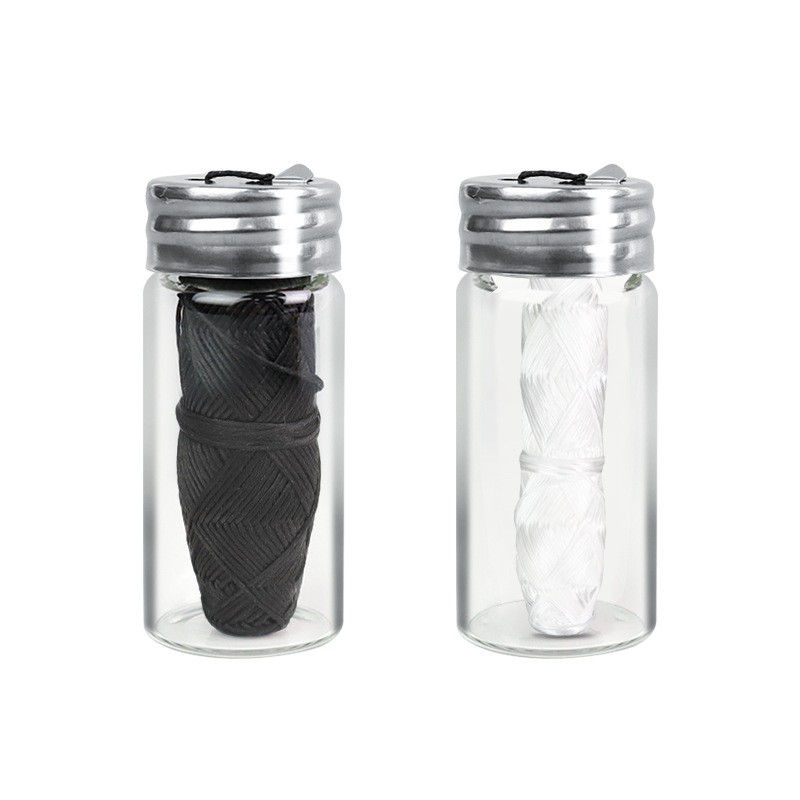
Table of Contents
- Article Outline
- Dental Floss Overview
- Types of Dental Floss
- Proper Flossing Techniques
- Key Benefits of Using Dental Floss
- Dental Floss FAQ
- Conclusion and Contact Information
Article Outline
- Introduction to dental floss and its significance
- Overview of different types of dental floss
- Correct flossing techniques and tips
- Health benefits of consistent flossing
- Frequently asked questions and answers
- Brand mention and contact guidance
Dental Floss Overview
Dental floss is a thin, flexible filament designed to clean between teeth and remove plaque, food particles, and bacteria that brushing alone cannot reach. Regular flossing helps maintain healthy gums, reduces the risk of cavities, and improves overall oral hygiene. Unlike toothbrushes, dental floss can navigate tight spaces and contours between teeth, ensuring comprehensive cleaning for a healthier mouth.
NINGBO TINGSHENG BAMBOO & WOOD CO., LTD provides high-quality dental floss designed for comfort, durability, and effectiveness. The product ensures smooth gliding between teeth without shredding or breaking.
Types of Dental Floss
Dental floss comes in multiple variations to suit different oral needs and preferences. Choosing the appropriate type can enhance flossing efficiency and comfort.
| Floss Type | Description | Ideal Use |
|---|---|---|
| Waxed Floss | Coated with a thin layer of wax for smooth gliding between tight teeth. | Tight teeth or braces users |
| Unwaxed Floss | Thin and slightly textured for plaque removal in wider gaps. | Normal spacing between teeth |
| Dental Tape | Flat and broad, designed for sensitive gums and wider tooth spaces. | Sensitive gums or larger gaps |
| Flavored Floss | Infused with mint or other flavors for fresh breath. | General daily use for enhanced comfort |
| PTFE Floss | Made from polytetrafluoroethylene for superior strength and glide. | Tight contacts and difficult areas |
Proper Flossing Techniques
Effective flossing requires proper technique to avoid gum injury while maximizing cleaning.
- Break off approximately 18 inches of floss and wind around your fingers.
- Gently slide the floss between teeth using a zigzag motion.
- Curve the floss into a C-shape around each tooth and move it up and down along the gumline.
- Use a clean section of floss for each tooth to avoid contamination.
- Floss at least once daily, preferably before bedtime.
Consistency and proper technique are critical for achieving optimal results without causing gum irritation.
Key Benefits of Using Dental Floss
Regular use of dental floss provides multiple oral health benefits:
- Prevents Gum Disease: Removes plaque and food particles to reduce inflammation and prevent gingivitis.
- Reduces Cavities: Cleans between teeth where toothbrush bristles cannot reach, preventing decay.
- Improves Breath: Eliminates trapped debris that can cause bad odor.
- Maintains Overall Oral Health: Supports healthier teeth and gums, contributing to better long-term dental outcomes.
Dental Floss FAQ
Q: How often should I floss my teeth?
A: Flossing once a day is recommended. For individuals with braces or tight teeth, twice-daily flossing may be beneficial.
Q: Can dental floss cause gum bleeding?
A: Minor bleeding may occur initially if gums are inflamed. Regular and gentle flossing usually improves gum health and reduces bleeding over time.
Q: Which type of dental floss is best for sensitive gums?
A: Dental tape or PTFE floss is recommended for sensitive gums due to smooth gliding and reduced friction.
Conclusion and Contact Information
Dental floss is a crucial component of daily oral hygiene, effectively complementing brushing to maintain healthy teeth and gums. Understanding the types, correct techniques, and consistent usage enhances overall oral health and prevents dental issues.
NINGBO TINGSHENG BAMBOO & WOOD CO., LTD provides premium dental floss products that combine durability, comfort, and effectiveness. For purchasing inquiries, technical guidance, or customized solutions, contact us today to improve your oral health routine.