

How Can Cycle Charging Points Transform Urban Commuting Efficiency?
2025-12-11
Urban transportation is undergoing a transformative shift with the increasing adoption of electric bicycles (e-bikes) and other electric two-wheelers. Cycle Charging Points serve as the cornerstone of this evolution, providing safe, fast, and reliable charging solutions for urban commuters. These stations are designed to support a growing population of e-bike users, ensuring uninterrupted mobility and promoting sustainable transportation practices.
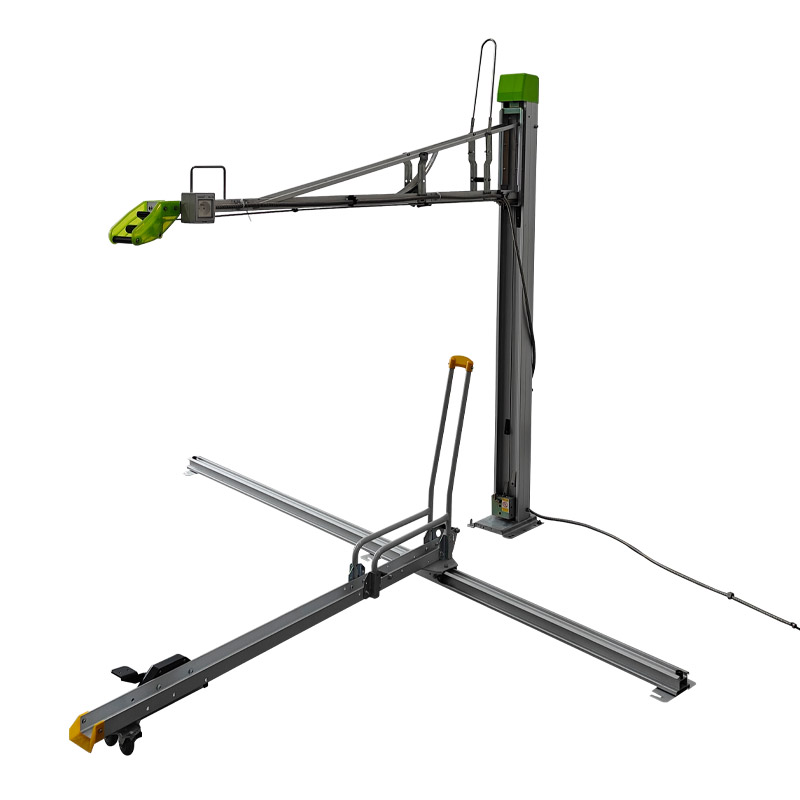
The central focus of this article is to explore the technical specifications, applications, and strategic benefits of Cycle Charging Points, while addressing common user questions and providing insights into optimal deployment strategies for cities and commercial environments.
Technical Overview of Cycle Charging Points:
| Parameter | Specification |
|---|---|
| Input Voltage | AC 110-240V, 50/60Hz |
| Output Power | 250W – 1500W (configurable per port) |
| Charging Ports | 2–10 ports per unit |
| Charging Interface | Type 2 connector, USB-C, or customized interfaces |
| Charging Time | 2–6 hours depending on battery capacity |
| Protection Features | Overcharge, Overcurrent, Short Circuit, Temperature Control |
| Environmental Rating | IP65 waterproof and dustproof |
| Connectivity | Wi-Fi / 4G for monitoring, smart app integration |
| Material | Reinforced aluminum alloy or stainless steel housing |
| Dimensions (L×W×H) | 600mm × 400mm × 1200mm (typical modular design) |
These specifications make Cycle Charging Points suitable for a wide range of applications, including urban bike-sharing networks, residential complexes, and commercial hubs. Their modular and scalable design ensures adaptability for future e-bike technology upgrades.
How Do Cycle Charging Points Improve Commuter Convenience?
Cycle Charging Points are engineered to streamline the recharging process, reducing downtime for urban commuters and enhancing daily productivity. The integration of smart interfaces allows users to reserve charging slots, monitor battery levels in real-time, and receive notifications upon completion.
The adoption of standardized connectors such as Type 2 ensures compatibility across multiple e-bike models. Additionally, advanced safety features, including overcurrent protection and temperature regulation, prevent equipment damage and ensure user safety.
FAQ 1:
Q: How long does it typically take to charge an e-bike at a Cycle Charging Point?
A: Charging time depends on battery capacity and output power. For a 500Wh battery using a 500W output port, full charging typically takes approximately 2–3 hours. Larger batteries may require up to 6 hours, but smart load management allows multiple units to charge efficiently without exceeding power limits.
FAQ 2:
Q: Can multiple e-bikes charge simultaneously at a single station?
A: Yes, most Cycle Charging Points are equipped with multiple ports, allowing 2–10 bikes to charge concurrently. Each port is monitored individually, ensuring balanced distribution of power and maintaining safety standards.
By integrating these features, Cycle Charging Points enhance commuter convenience while supporting sustainable urban transport initiatives.
How Are Cycle Charging Points Integrated into Urban Infrastructure?
Urban planners are increasingly recognizing the importance of electric mobility infrastructure in reducing congestion and emissions. Cycle Charging Points are designed for easy integration into streetscapes, residential zones, and commercial complexes. Modular designs enable flexible deployment, while connectivity options support centralized management for city planners.
Smart monitoring systems provide data on usage patterns, energy consumption, and maintenance needs. This allows municipalities and operators to optimize placement, schedule maintenance efficiently, and respond to peak demand periods effectively.
Charging stations can also be combined with other urban services, such as bike-sharing kiosks or public seating areas, enhancing overall user experience. Additionally, environmentally resistant materials and IP65 ratings ensure reliable operation in outdoor conditions, from heavy rain to extreme temperatures.
How Do Cycle Charging Points Support Sustainable Transportation Goals?
The environmental impact of urban mobility is a growing concern. By promoting electric bicycles and offering reliable charging infrastructure, Cycle Charging Points directly contribute to reducing carbon emissions and dependence on fossil fuels.
Energy-efficient charging systems minimize wastage, while smart grids allow integration with renewable energy sources such as solar or wind power. Cities adopting Cycle Charging Points benefit from improved air quality, reduced noise pollution, and a significant reduction in overall transportation emissions.
Moreover, these stations encourage public adoption of e-bikes by mitigating the “range anxiety” challenge. Commuters are more likely to switch to electric mobility when they have assurance of accessible, safe, and fast charging options.
Extended Benefits:
-
Encourages longer trips and increased usage of e-bikes.
-
Reduces traffic congestion by promoting cycling over car usage.
-
Provides real-time data for urban planners to optimize traffic flow and energy use.
How Is the Cycle Charging Point Market Evolving, and Where to Source Reliable Solutions?
With increasing demand for electric mobility, the Cycle Charging Point market is expanding rapidly. Leading manufacturers are focusing on high-efficiency power systems, enhanced connectivity features, and modular designs that adapt to future technologies.
Key Considerations for Procurement:
-
Verify compliance with local electrical and safety regulations.
-
Assess modular scalability to accommodate growing urban e-bike populations.
-
Ensure compatibility with diverse e-bike battery types and connectors.
-
Evaluate manufacturer support and maintenance services.
Xiamen Xinzhongsen Trade Co., Ltd offers professional-grade Cycle Charging Points with global certifications and extensive deployment experience. Their products are designed to meet stringent urban and commercial requirements, combining durability, safety, and advanced smart features.
Contact Us: For inquiries regarding Cycle Charging Points, bulk orders, or technical consultation, Xiamen Xinzhongsen Trade Co., Ltd provides direct support. Contact their team via email or phone to discuss solutions tailored to urban mobility projects or commercial applications.