

How Can Canned Wipes Improve Hygiene and Convenience in Daily Life?
2026-01-27
Article Abstract
Canned wipes are a versatile hygiene product used in households, workplaces, and industrial environments. This article provides a detailed guide on their types, usage, selection criteria, and safety considerations. By understanding the characteristics and practical applications of canned wipes, consumers and businesses can enhance cleanliness, reduce contamination risks, and improve daily convenience. The article also addresses frequently asked questions and provides professional guidance for selecting the right product.
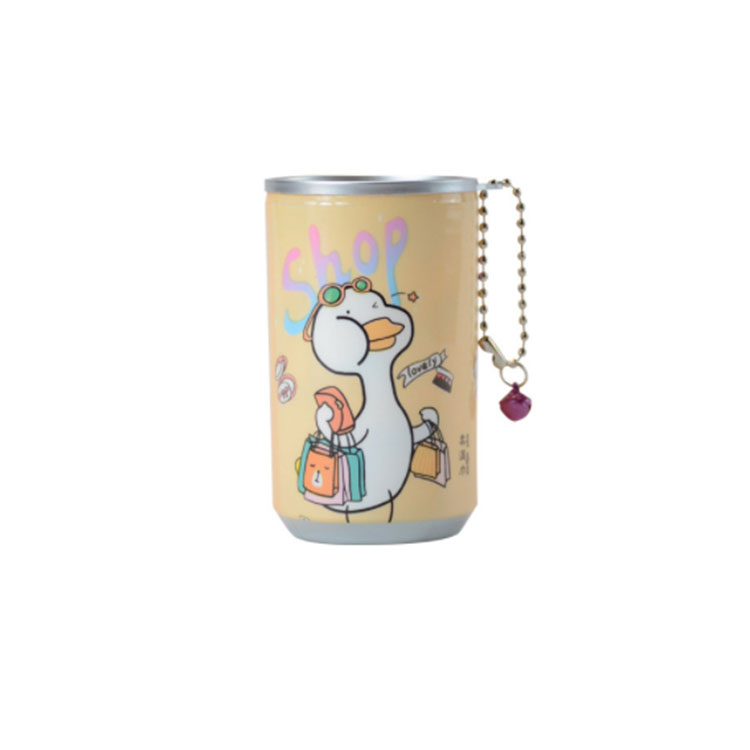
Table of Contents
- Article Outline
- Introduction to Canned Wipes
- Types and Variations
- Benefits and Applications
- Selection Criteria and Guidelines
- Canned Wipes FAQ
- Conclusion and Contact
Article Outline
- Overview of canned wipes and product purpose
- Different types and chemical compositions
- Applications in daily life, healthcare, and industrial settings
- Selection criteria including material, moisture, and packaging
- Common questions and practical solutions
- Brand reference and contact guidance
Introduction to Canned Wipes
Canned wipes are pre-moistened disposable wipes packaged in airtight containers to maintain hygiene and prevent drying. They are designed for convenient single-handed use and are widely adopted for personal care, household cleaning, workplace sanitation, and medical or industrial applications. The central purpose of canned wipes is to provide an effective, portable, and safe solution for surface cleaning and personal hygiene, reducing exposure to germs and contaminants.
Their compact packaging, moisture retention, and variety of formulations make canned wipes an essential tool for maintaining cleanliness in environments where soap, water, or disinfectants may not be readily accessible.
Types and Variations
Canned wipes vary based on their material, moisture content, and active ingredients. Common categories include:
- Alcohol-Based Wipes: Suitable for quick disinfection of hands and surfaces; highly effective against bacteria and viruses.
- Moisturizing Wipes: Designed for skin care, containing aloe, vitamin E, or other emollients to prevent dryness.
- Industrial Cleaning Wipes: Heavy-duty wipes for machinery, electronic equipment, and workshop surfaces.
- Baby and Sensitive Skin Wipes: Hypoallergenic and gentle, ideal for infants or sensitive skin users.
- Fragrance-Enhanced Wipes: Provide a fresh scent while cleaning, suitable for public or office environments.
Canned wipes can also differ in thickness, absorbency, and packaging size to meet specific usage scenarios.
Benefits and Applications
The advantages of canned wipes are diverse, and they extend beyond simple cleaning:
- Portable and easy to use for on-the-go hygiene
- Reduces microbial contamination on hands and surfaces
- Protects sensitive skin with gentle formulations
- Convenient packaging ensures long shelf life and moisture retention
- Versatile for household, workplace, travel, and healthcare environments
Applications include disinfecting office equipment, cleaning baby products, wiping kitchen counters, removing grease or dirt in industrial settings, and providing personal hygiene in areas without running water.
Selection Criteria and Guidelines
When choosing canned wipes, several factors should be considered to ensure effectiveness and user safety:
| Selection Factor | Considerations |
|---|---|
| Material | Durable, non-linting fibers for surface protection and skin safety |
| Active Ingredients | Alcohol, disinfectants, moisturizing agents, or hypoallergenic formulas depending on use |
| Packaging | Airtight cans to prevent drying and contamination; easy dispensing lid design |
| Size and Thickness | Choose based on cleaning needs and surface type; larger wipes for industrial use, smaller for personal hygiene |
| Fragrance | Optional; should match usage scenario and user preference |
| Certifications | Look for hygiene or safety certifications for healthcare or infant care products |
Canned Wipes FAQ
Q: How long can canned wipes remain moist after opening?
A: If properly sealed after each use, canned wipes typically maintain moisture for several months. Airtight lids and proper storage away from direct sunlight extend shelf life.
Q: Can canned wipes be used on all surfaces?
A: Most canned wipes are safe for non-porous surfaces such as countertops, electronics, and plastics. Always check manufacturer guidelines before use on delicate or painted surfaces.
Q: Are canned wipes safe for sensitive skin?
A: Wipes labeled for sensitive skin or hypoallergenic use are formulated to minimize irritation. Ingredients like aloe or vitamin E can provide additional protection and hydration.
Q: How should canned wipes be disposed of?
A: Used wipes should be disposed of in trash bins. They should not be flushed down toilets as they may cause plumbing blockages.
Conclusion and Contact
Canned wipes offer a practical, hygienic, and convenient solution for personal care, household cleaning, and professional applications. Understanding the types, benefits, and selection criteria allows users to maximize efficiency and maintain high standards of cleanliness in any environment.
Ranjin provides a wide range of canned wipes designed for diverse applications, ensuring quality, reliability, and user-friendly design. For inquiries about bulk orders, product specifications, or tailored solutions, contact us today to discuss your requirements and receive professional support.