

How Can an Immersion Blender Transform Everyday Cooking?
2026-01-26
Article Summary
An immersion blender, often called a hand or stick blender, is a powerful yet compact kitchen tool designed to blend, puree, emulsify, and mix ingredients directly in pots, bowls, and containers. This article explores real-world applications, selection considerations, performance expectations, and common challenges users encounter. The goal is to show how this appliance can address common cooking frustrations—such as extensive cleanup, limited workspace, and inconsistent processing results—by offering fast, adaptive performance in both home and professional kitchens. Practical guidance and answers to typical user questions are included to help readers make informed decisions.
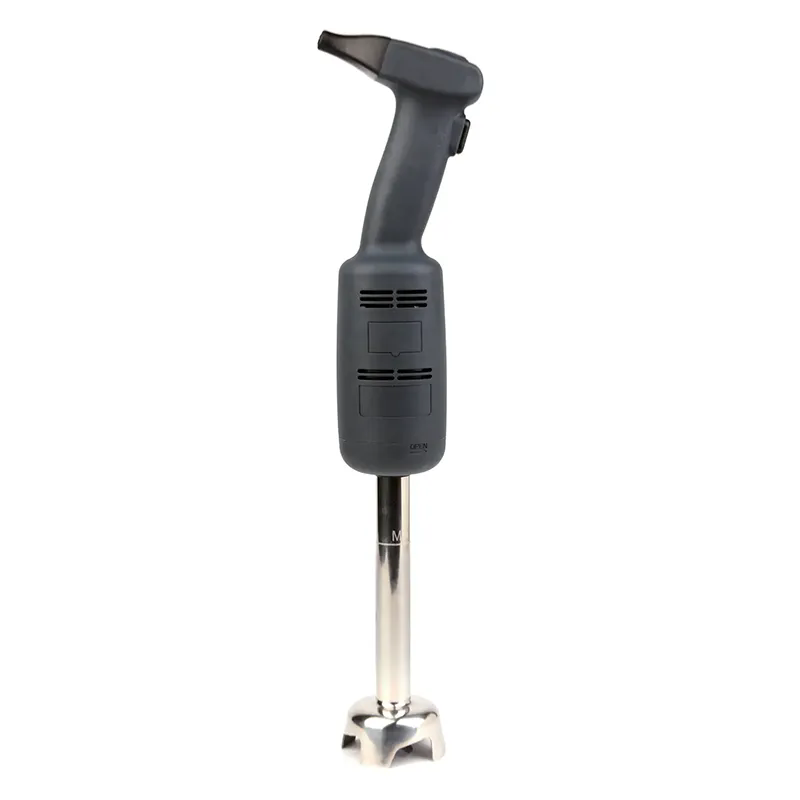
Table of Contents
- Introduction to Immersion Blenders
- Benefits and Uses
- How to Choose the Right Immersion Blender
- Practical Techniques and Tips
- Frequently Asked Questions
- Conclusion and Contact Information
Introduction to Immersion Blenders
An immersion blender is a handheld blending device engineered to operate directly within cooking vessels to break down ingredients without the need for transferring food between containers. The typical design consists of a motorized handle connected to a blending shaft with rotating blades at its base. Because it immerses directly in food, this appliance eliminates the step of transferring hot liquids, such as soups or sauces, into a separate blender jar, improving both convenience and safety during preparation. Its compact profile and versatile functionality make it suitable for crowded kitchens, limited counter space, or mobile culinary environments.
Benefits and Uses
An immersion blender offers a range of performance advantages that resonate with everyday cooking challenges. Key benefits include hands-on control over texture, reduced cleanup, and the ability to work with varying batch sizes.
Primary Uses in the Kitchen
- Soups and Sauces: Pureeing ingredients directly in the pot for smooth results.
- Smoothies and Drinks: Blending shakes, emulsified dressings, and fruit mixtures.
- Baby Foods: Creating finely textured, nutritious meals.
- Dips and Spreads: Preparing hummus, mayonnaise, and pestos with consistent texture.
- Whipping and Emulsifying: Whipping creams or emulsifying oil-based mixtures using attachments.
Compact and Practical Benefits
- Minimal storage space requirement and lightweight design for convenient storage.
- Quick and easy cleanup due to fewer parts and jarless operation.
- Versatile applications with optional whisk, chopper, and frother attachments.
- Suitable for both small and large quantities of ingredients without jar capacity limitations.
How to Choose the Right Immersion Blender
Selecting an appropriate immersion blender depends on intended uses, power requirements, and ergonomic considerations.
Selection Criteria
| Feature | Consideration |
|---|---|
| Motor Power | Higher wattage provides better performance for tough ingredients. |
| Variable Speed Control | Allows adjustment for delicate to heavy-duty tasks. |
| Attachments | Whisks, choppers, and frothers expand functionality. |
| Build Material | Stainless steel shafts are more durable and easy to clean. |
| Corded vs Cordless | Cordless models offer mobility, corded models typically have more sustained power. |
Practical Techniques and Tips
Effective use of an immersion blender can improve efficiency and outcomes in food preparation. Consider the following best practices. :
- Submerge the Blade: Always keep the blade fully immersed to avoid splattering and improve blending consistency.
- Start Slowly: Begin at a lower speed to prevent food eruption, then adjust upward as needed.
- Move in Motion: Blend using slight up-and-down or circular motion for even texture.
- Choose Proper Vessels: Use tall, narrow containers for smaller batches to promote circulation.
Frequently Asked Questions
Q: What is the difference between an immersion blender and a countertop blender?
A: An immersion blender blends directly in the cooking vessel without needing a separate jar, while a countertop blender requires transferring ingredients into its pitcher. This makes the immersion blender more convenient for hot soups and sauces.
Q: Can an immersion blender handle thick mixtures?
A: Yes, models with sufficient motor power and variable speeds can mix thicker foods, but very dense mixtures may require more robust motors or multiple passes.
Q: Are immersion blenders easy to clean?
A: The design typically allows for quick detachment of the blending shaft, which can be rinsed or placed in a dishwasher, reducing cleaning effort compared to traditional blenders.
Q: What attachments can enhance immersion blender use?
A: Common attachments include whisks for whipping cream, choppers for small ingredients, and frothers for beverages, expanding the tool’s versatility.
Conclusion and Contact Information
An immersion blender is a versatile kitchen tool that resolves many common cooking pain points, from reducing cleanup to processing ingredients directly in preparation vessels. Whether used for quick purées, beverages, dressings, or batch sauces, its compact form and adaptive functionality provide meaningful value in both home and professional culinary environments.
SYBO offers reliable and performance-oriented immersion blender solutions designed to meet diverse kitchen needs. For detailed product information, tailored recommendations, or volume purchase inquiries, please contact us to explore options and support.