

How Can an Air Suction Gun Improve Industrial Efficiency?
2026-01-21
Summary: Air suction guns are versatile tools widely used in industrial and manufacturing processes to handle lightweight materials, enhance productivity, and maintain a clean workspace. This article explores their functions, applications, types, and how they address common operational challenges, offering a comprehensive guide for businesses seeking efficiency and safety improvements.
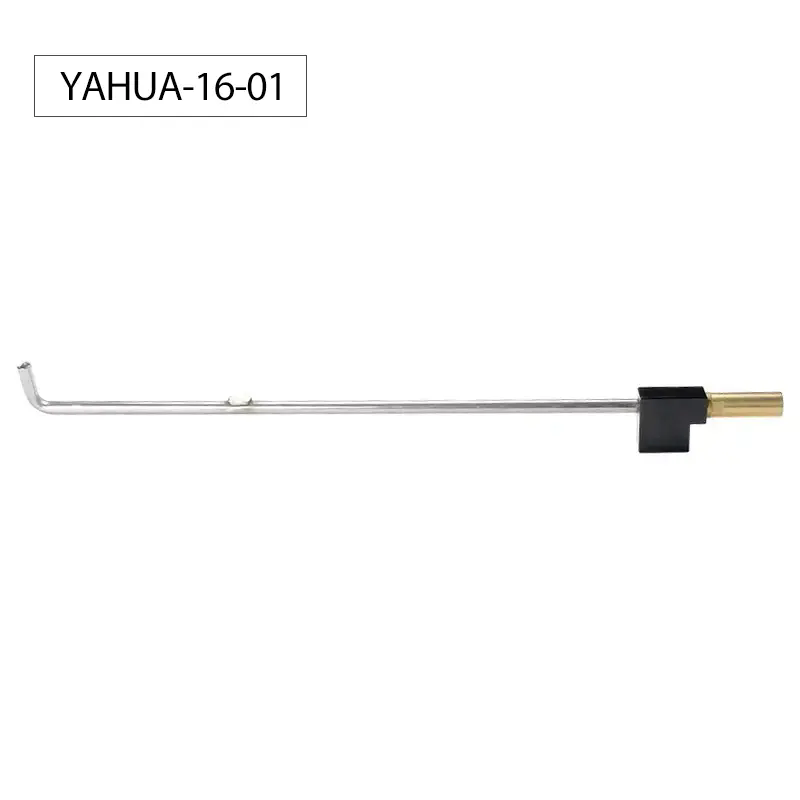
Table of Contents
- Introduction
- Working Principle of an Air Suction Gun
- Applications in Industry
- Types and Specifications
- Key Advantages
- Maintenance Tips
- Frequently Asked Questions
- Conclusion & Contact
Introduction
An air suction gun is an efficient pneumatic device designed to move materials, remove debris, or transport fibers in industrial environments. Unlike traditional manual tools, it leverages air pressure to provide rapid and precise suction, reducing labor intensity and time consumption. Industries such as textile, packaging, and chemical processing have widely adopted air suction guns to maintain consistent workflow and improve workplace safety.
Working Principle of an Air Suction Gun
The air suction gun operates on the principle of pneumatic suction. Compressed air enters the device, creating a low-pressure zone that draws in materials through the nozzle. The high-velocity airflow ensures consistent suction without manual effort, allowing for fast collection and transportation of lightweight particles, fibers, or debris. Key components include the air inlet, suction nozzle, and collection chamber, which together enable smooth and controlled operation.
- Air Inlet: Connects to a compressed air source for generating suction force.
- Suction Nozzle: Directs airflow to capture materials efficiently.
- Collection Chamber: Temporarily stores collected particles before disposal.
Applications in Industry
Air suction guns are widely utilized across multiple industries. Below are some key applications:
- Textile Industry: Quickly collects loose fibers and dust, maintaining production quality.
- Chemical Industry: Transfers powders safely, minimizing contamination risks.
- Packaging Lines: Removes debris from conveyor belts, improving packaging efficiency.
- Electronics Manufacturing: Cleans delicate surfaces without causing damage.
- Laboratories: Safely collects lightweight samples or residues for analysis.
Types and Specifications
Air suction guns are available in multiple types to suit different operational requirements. Key specifications for selection include airflow rate, nozzle size, and compatibility with compressed air systems.
| Model | Nozzle Diameter | Air Pressure | Air Consumption | Weight |
|---|---|---|---|---|
| YAHUA-16-01 | 16 mm | 0.6-0.8 MPa | 120 L/min | 0.9 kg |
| YAHUA-16-02 | 20 mm | 0.6-0.8 MPa | 140 L/min | 1.1 kg |
| YAHUA-20-01 | 25 mm | 0.6-0.8 MPa | 160 L/min | 1.3 kg |
Choosing the right model depends on the materials handled and the required suction speed. For lightweight fibers, smaller nozzles offer precision, while larger nozzles handle higher volume debris effectively.
Key Advantages
- Increased Efficiency: Speeds up collection processes, reducing operational time.
- Labor Saving: Minimizes manual handling of materials.
- Enhanced Safety: Reduces dust exposure and physical strain.
- Versatility: Suitable for diverse materials including fibers, powders, and light debris.
- Durable Construction: Designed for long-term industrial use with minimal maintenance.
Maintenance Tips
Proper maintenance ensures long-term performance and avoids downtime:
- Regularly check the air supply for moisture or debris to prevent clogging.
- Clean the nozzle and collection chamber after each use.
- Inspect seals and gaskets periodically to maintain suction efficiency.
- Lubricate moving parts if recommended by the manufacturer.
- Store the device in a clean, dry environment to prevent corrosion.
Frequently Asked Questions
Q1: What materials can an air suction gun handle?
A1: Air suction guns are ideal for lightweight fibers, powders, small debris, and dust. They are not designed for heavy solids or liquids.
Q2: How do I select the right model for my operation?
A2: Consider nozzle size, airflow rate, and air pressure compatibility. For fine fibers, smaller nozzles provide precision, while larger nozzles suit high-volume debris removal.
Q3: Can an air suction gun improve workplace safety?
A3: Yes. By minimizing dust exposure and manual handling, air suction guns reduce respiratory hazards and physical strain for workers.
Q4: How often should the device be maintained?
A4: Regular checks should be performed weekly for high-use environments. Cleaning the nozzle and chamber after each shift ensures consistent performance.
Conclusion & Contact
Air suction guns offer a practical and efficient solution for industries requiring fast, safe, and reliable material handling. By integrating high-performance pneumatic suction, they enhance productivity while maintaining workplace safety. Yueqing Yahua Chemical Fiber Machinery Co., Ltd. provides a range of air suction guns tailored for various industrial needs. For more information or to request a customized solution, contact us today and optimize your operational workflow with reliable air suction technology.