

How Can a PCD Chamfering Cutter Reduce Tool Wear in Machining Hard Materials
2026-02-27
In the world of precision manufacturing, tool wear is an unavoidable reality, especially when working with hard materials like ceramics, composites, and high-silicon aluminum. A PCD Chamfering Cutter offers a superior solution to this problem. Unlike traditional carbide tools, the Polycrystalline Diamond (PCD) structure provides exceptional hardness and thermal conductivity. At Zhongye Da, we engineer these cutters specifically to withstand abrasive conditions, ensuring that your production line experiences fewer interruptions and maintains tighter tolerances for longer periods.
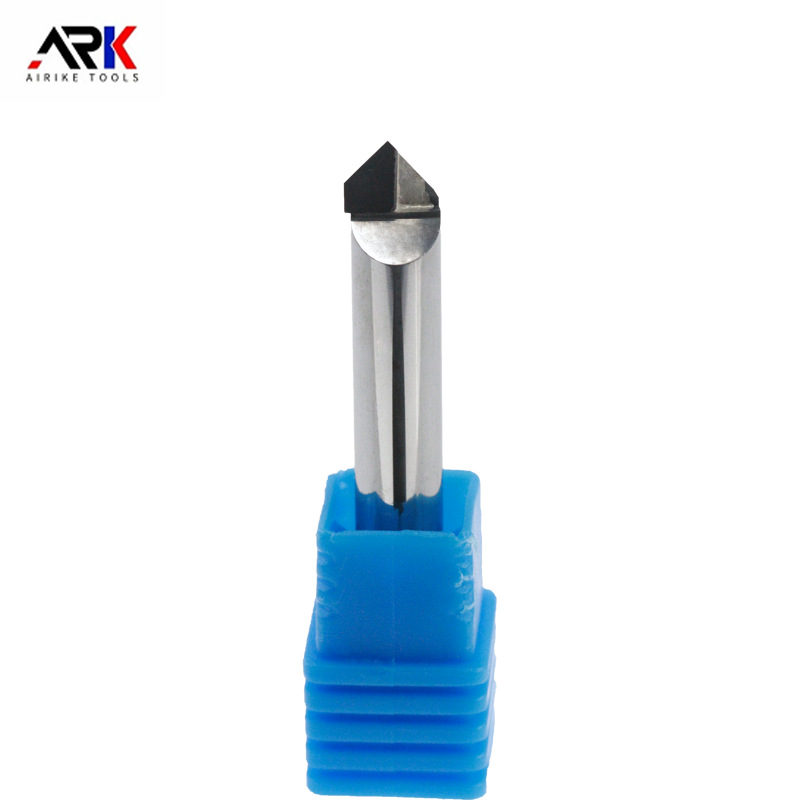
The Science Behind Reduced Wear
The ability of a PCD Chamfering Cutter to resist wear lies in its material composition. PCD consists of synthetic diamond grains sintered together under high pressure, creating a cutting edge that is nearly as hard as natural diamond but with the toughness required for industrial use.
| Feature | Impact on Tool Wear |
|---|---|
| Extreme Hardness | Resists abrasion from hard particles in materials like MMC or graphite. |
| High Thermal Conductivity | Dissipates heat rapidly, preventing thermal cracking and edge deformation. |
| Sharp Cutting Edge | Requires less cutting force, reducing friction and subsequent wear on the tool. |
| Low Coefficient of Friction | Prevents built-up edge, ensuring consistent chip flow and surface integrity. |
Key Advantages in Hard Material Machining
When machining hard materials, the economics of production often hinge on tool life. Here is how switching to a Zhongye Da PCD Chamfering Cutter provides a competitive edge:
-
Extended Tool Life: Typically lasts 50 to 100 times longer than carbide when machining non-ferrous hard materials.
-
Consistent Quality: Maintains chamfer dimensions across thousands of parts, reducing scrap rates.
-
Reduced Downtime: Fewer tool changes mean higher machine utilization and lower labor costs for setup.
Practical Implementation
To maximize the wear-reducing benefits of your PCD Chamfering Cutter, consider the following operational parameters:
-
Coolant Use: While PCD handles dry machining well, using a high-pressure coolant can help evacuate chips and prevent re-cutting, which accelerates wear.
-
Runout Control: Ensure minimal tool runout (below 0.01mm) to distribute wear evenly across the cutting edges.
-
Speed Optimization: Run at higher surface speeds than carbide (typically 300-800 m/min) to utilize the thermal properties of PCD effectively.
Frequently Asked Questions
Q: What specific types of hard materials does a PCD Chamfering Cutter work best on to prevent wear?
A: PCD Chamfering Cutters are optimized for non-ferrous and non-metallic materials. They excel in machining high-silicon aluminum alloys (over 12% Si), metal matrix composites (MMC), carbon fiber reinforced polymers (CFRP), green ceramics, and pre-sintered carbide. The diamond structure cuts through these abrasive elements without the rapid micro-chipping or flank wear that would quickly destroy a carbide tool.
Q: How does the cutting geometry of a PCD Chamfering Cutter influence its resistance to wear?
A: The geometry is critical. A PCD Chamfering Cutter from Zhongye Da typically features a specific edge preparation, such as a T-land or honed edge, to reinforce the cutting edge. This prevents chipping during interrupted cuts. Additionally, the clearance angles are designed to minimize friction against the workpiece. By reducing the contact area and reinforcing the edge, we ensure that the cutting forces stress the bulk of the PCD material rather than just the atomic edge, thereby slowing the progression of wear.
Q: Is it possible to regrind a worn PCD Chamfering Cutter to restore its performance?
A: Yes, one of the economic advantages of PCD Chamfering Cutters is their ability to be reconditioned. When the edge wears beyond acceptable limits, it can be returned to a specialized facility, like the one at Zhongye Da, for regrinding. The process uses electrical discharge grinding (EDG) or diamond wheel grinding to expose a fresh, sharp cutting edge. This process can be repeated multiple times over the life of the cutter body, offering a much lower cost-per-part compared to throwing away a solid carbide tool after its initial life ends.
Conclusion
Implementing the right tooling is essential for optimizing your machining processes. The PCD Chamfering Cutter stands out as the premier choice for reducing tool wear and ensuring operational efficiency when working with hard, abrasive materials. By leveraging the advanced engineering and quality of Zhongye Da, you invest in productivity and precision.
Ready to upgrade your machining capabilities and drastically reduce your tooling costs?
Contact Us today for a consultation or to request a sample for testing.