

How Are Fuel Tank Kerosene Heaters Shaping Reliable Off-Grid Heating Solutions Today?
2025-12-16
Fuel Tank Kerosene Heaters are widely used portable and semi-fixed heating devices designed to provide stable thermal output in environments where electricity or natural gas is unavailable or unreliable. These heaters integrate a dedicated fuel tank with a controlled kerosene combustion system, enabling consistent heat delivery across residential, commercial, and industrial scenarios. The central focus of this article is to explain how Fuel Tank Kerosene Heaters operate, how their technical parameters support performance and safety, and how market demand is influencing their development and application across different regions.
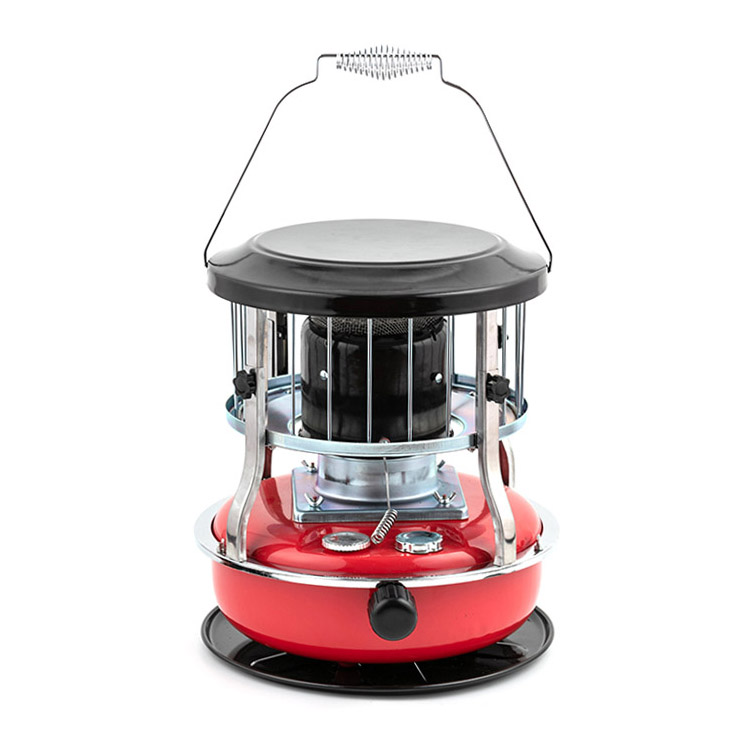
At a time when energy resilience and mobility are increasingly prioritized, Fuel Tank Kerosene Heaters continue to serve as a dependable heat source for workshops, construction sites, warehouses, garages, agricultural facilities, and emergency backup situations. By examining product structure, operational logic, and usage considerations, this article provides a comprehensive, technically grounded overview aligned with practical user expectations.
How Do Fuel Tank Kerosene Heaters Operate Under Real-World Conditions?
Fuel Tank Kerosene Heaters function through a controlled combustion process that converts liquid kerosene into usable heat energy. The integrated fuel tank feeds kerosene to a burner assembly, where ignition occurs either through manual or electronic systems. Once ignited, the heater regulates airflow and fuel flow to maintain a stable flame, ensuring consistent heat output while minimizing fuel waste.
In real-world conditions, these heaters are valued for their independence from electrical grids. Many models require little to no electricity, relying instead on mechanical regulation and passive safety systems. This makes them particularly suitable for rural locations, disaster recovery zones, and temporary workspaces. Their performance remains stable across a wide range of ambient temperatures, provided that appropriate kerosene grades are used and routine maintenance is observed.
Environmental adaptability is another defining characteristic. Fuel Tank Kerosene Heaters are engineered to perform in cold, windy, or semi-enclosed environments where other heating solutions may struggle. Their design emphasizes steady combustion, efficient heat radiation or convection, and controlled exhaust management to support extended operation cycles.
How Do Product Parameters Define Performance and Application Scope?
Understanding technical parameters is essential for evaluating the suitability of a Fuel Tank Kerosene Heater for specific applications. These parameters directly influence heating capacity, operational duration, safety thresholds, and portability. Below is a consolidated overview of commonly referenced specifications found in professional-grade models:
| Parameter | Typical Specification Range |
|---|---|
| Heating Output | 20,000 – 80,000 BTU |
| Fuel Type | Kerosene (K-1 recommended) |
| Fuel Tank Capacity | 5 – 15 liters |
| Continuous Run Time | 8 – 20 hours |
| Ignition Method | Manual or electronic |
| Heat Distribution | Radiant or forced air |
| Safety Features | Tip-over protection, flame sensor, overheat cutoff |
| Application Area | 30 – 150 square meters |
| Construction Material | Powder-coated steel housing |
| Mobility | Built-in handle or wheel assembly |
These parameters illustrate how Fuel Tank Kerosene Heaters balance output power with fuel efficiency. Larger tank capacities support extended heating sessions, reducing refueling frequency, while adjustable output settings allow users to tailor heat levels to specific space requirements. Safety mechanisms are integrated to meet regional compliance standards and reduce operational risk during prolonged use.
How Are Fuel Tank Kerosene Heaters Commonly Applied Across Industries?
Fuel Tank Kerosene Heaters are not limited to a single use case. Their versatility has driven adoption across multiple sectors, each with distinct operational demands.
In construction and infrastructure projects, these heaters are frequently deployed to maintain workable temperatures in unfinished buildings, curing concrete, and protecting materials from cold damage. Their portability allows rapid relocation as job sites evolve.
In agricultural and livestock environments, kerosene heaters support temperature control in barns, greenhouses, and storage areas. Stable heat output helps protect crops, equipment, and animals during colder seasons without dependence on grid power.
Industrial and commercial users often rely on Fuel Tank Kerosene Heaters for warehouse heating, equipment preheating, and emergency thermal backup. Their robust metal construction and straightforward operation align with demanding work environments where durability is critical.
For residential and recreational use, these heaters are commonly selected for garages, workshops, cabins, and off-grid homes. In emergency preparedness planning, they are frequently included as backup heat sources during power outages or extreme weather events.
How Do Safety Systems Support Long-Term Heater Operation?
Safety remains a core consideration in the design and application of Fuel Tank Kerosene Heaters. Modern units incorporate multiple layers of protection to mitigate risks associated with fuel combustion and high temperatures.
Flame monitoring systems automatically shut off fuel supply if combustion becomes unstable or extinguishes unexpectedly. Tip-over switches cut operation when the heater is knocked or tilted beyond safe angles. Overheat protection prevents internal components from exceeding thermal limits during extended use.
Ventilation guidelines are clearly defined to ensure adequate airflow and exhaust dispersion, particularly in semi-enclosed spaces. While kerosene heaters are designed for efficient combustion, adherence to operational instructions remains essential for safe, long-term performance.
How Do Fuel Tank Kerosene Heaters Address Common User Concerns?
Q: How often does a Fuel Tank Kerosene Heater require maintenance?
A: Routine maintenance typically includes cleaning the burner assembly, inspecting fuel lines, and checking safety sensors every heating season. With proper care, professional-grade units maintain stable performance over many years of operation.
Q: How is fuel efficiency managed during extended operation?
A: Fuel efficiency is controlled through regulated fuel flow and optimized combustion chamber design. Adjustable output settings allow users to match heat production to space requirements, reducing unnecessary fuel consumption during continuous use.
How Is Market Demand Influencing Future Product Development?
Market demand for Fuel Tank Kerosene Heaters continues to evolve alongside broader energy and infrastructure trends. Increased interest in off-grid living, emergency preparedness, and mobile work environments has reinforced the relevance of kerosene-based heating solutions.
Manufacturers are responding by refining combustion efficiency, enhancing safety systems, and improving structural durability. Noise reduction, cleaner ignition processes, and extended run times are increasingly prioritized to align with user expectations in both residential and professional settings.
Regional regulations and environmental standards also influence design considerations, encouraging cleaner burn technologies and improved exhaust control. These factors collectively shape the ongoing development of Fuel Tank Kerosene Heaters without altering their core operational principles.
How Does Brand Reliability Influence Purchasing Decisions?
In the competitive heating equipment market, brand reliability plays a decisive role in purchasing decisions. Buyers prioritize consistent manufacturing quality, clear technical documentation, and responsive after-sales support. A well-established brand signals product stability, compliance awareness, and long-term availability of replacement parts.
ZOOZAA has positioned itself as a brand focused on durable construction, precise engineering, and practical usability within the Fuel Tank Kerosene Heater segment. By aligning product specifications with real-world operating conditions, ZOOZAA addresses the expectations of both professional and residential users seeking dependable heating solutions.
For additional technical details, application guidance, or customization options related to Fuel Tank Kerosene Heaters, interested parties are encouraged to contact us directly. The ZOOZAA team provides professional support to help identify suitable configurations and ensure optimal heater performance across diverse operating environments.