Article Abstract
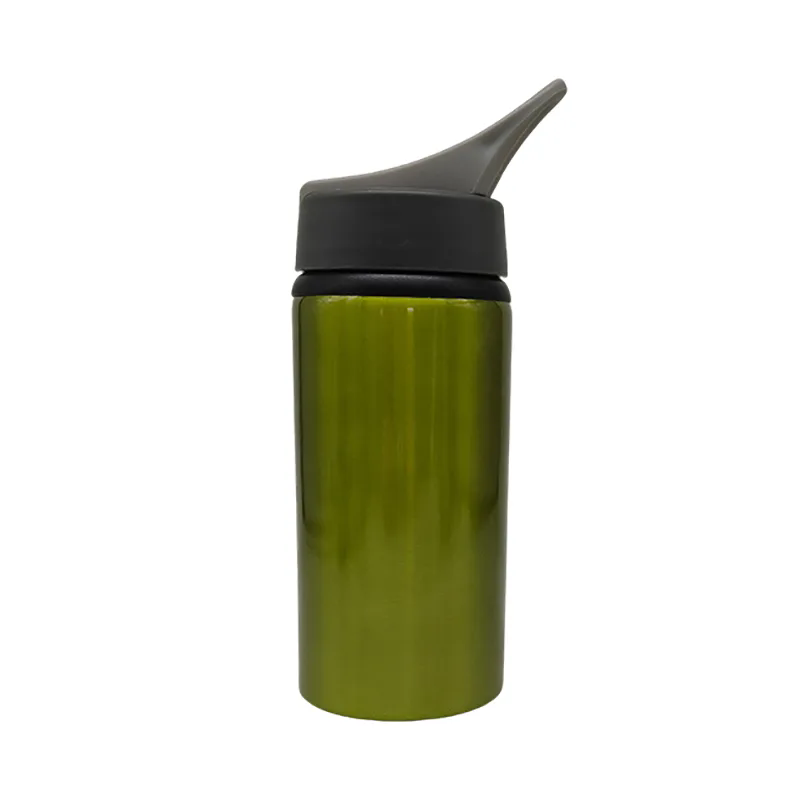
Aluminum water bottles have become a preferred hydration solution for consumers seeking durability, portability, and environmental responsibility. This article explores how aluminum water bottles address common user pain points such as plastic contamination, poor insulation, leakage issues, and long-term cost inefficiency. It also explains material advantages, practical usage scenarios, maintenance guidelines, and purchasing considerations. The goal is to help readers make informed decisions while understanding the broader value of switching to aluminum-based hydration solutions, including offerings from Jianyang.
Introduction
In modern lifestyles where mobility and health awareness intersect, hydration solutions must be both practical and safe. Aluminum water bottles have emerged as a strong alternative to traditional plastic containers and even some stainless-steel models. Their appeal lies in a balance of lightweight construction, recyclability, and strong resistance to external impact.
Unlike disposable bottles, aluminum-based containers are designed for long-term use, significantly reducing environmental waste while supporting daily hydration needs for office workers, athletes, travelers, and students.
Common Customer Pain Points
-
Plastic contamination concerns: Many users worry about microplastics and chemical leaching.
-
Poor durability: Low-quality bottles crack or deform easily under pressure.
-
Temperature instability: Drinks lose their desired temperature quickly.
-
Leakage issues: Faulty sealing leads to inconvenience during travel.
-
Environmental burden: Single-use bottles contribute heavily to waste accumulation.
Aluminum water bottles are engineered specifically to address these challenges through structural integrity, protective coatings, and improved sealing systems.
Key Advantages of Aluminum Water Bottles
Aluminum is widely recognized for its lightweight strength and recyclability. When used in water bottle manufacturing, it provides a range of practical benefits:
-
Lightweight portability: Easy to carry during sports or travel.
-
Corrosion resistance: Internal coating prevents oxidation and maintains taste purity.
-
Eco-friendly material: Fully recyclable without quality degradation.
-
Modern aesthetics: Sleek metallic finishes appeal to premium markets.
-
Customizable design: Suitable for branding, color coating, and ergonomic shaping.
These features make aluminum bottles suitable for both personal and commercial applications, including promotional products and outdoor gear markets.
Aluminum vs Other Materials
|
Feature
|
Aluminum Bottles
|
Plastic Bottles
|
Stainless Steel Bottles
|
|
Weight
|
Light
|
Very Light
|
Heavier
|
|
Durability
|
High with coating
|
Low to Medium
|
Very High
|
|
Environmental Impact
|
Recyclable
|
High Waste
|
Recyclable
|
|
Cost Efficiency
|
Medium
|
Low initial cost
|
Higher cost
|
|
Temperature Retention
|
Moderate
|
Poor
|
Excellent
|
While stainless steel offers superior insulation, aluminum bottles strike a balanced compromise between weight, usability, and sustainability.
Design and Functional Engineering
Modern aluminum water bottles are not simply metal containers. They incorporate engineering enhancements that improve usability and safety:
-
Internal food-grade coating: Prevents metallic taste and protects beverage quality.
-
Threaded leak-proof caps: Designed for secure sealing during movement.
-
Ergonomic shapes: Easy grip design for sports and travel use.
-
Surface finishing: Powder coating or anodizing improves scratch resistance.
These design considerations ensure that users experience both comfort and reliability in daily use scenarios.
Care and Maintenance Guide
Proper maintenance significantly extends the lifespan of aluminum water bottles. Follow these guidelines:
-
Wash regularly using mild soap and warm water.
-
Avoid abrasive cleaning tools that may damage coatings.
-
Do not store acidic liquids for extended periods.
-
Ensure the bottle is fully dry before sealing.
-
Inspect caps and seals periodically for wear.
Consistent care ensures hygiene, taste preservation, and structural durability over time.
How to Choose the Right Bottle
When selecting an aluminum water bottle, consider the following criteria:
-
Capacity: Choose based on hydration needs (500ml to 1L typical).
-
Coating quality: Ensure food-grade certification.
-
Cap design: Flip-top, screw cap, or sports lid based on usage.
-
Portability: Weight and shape compatibility with bags or holders.
-
Brand reliability: Established manufacturers offer better safety assurance.
A well-selected bottle improves hydration habits and enhances long-term usability.
Jianyang Product Insight
Jianyang specializes in manufacturing high-quality aluminum water bottles designed for global markets. Their products emphasize durability, safe internal coatings, and modern aesthetic design suitable for both personal and promotional use.
The engineering focus at Jianyang ensures consistent performance across different environments, whether for outdoor sports, corporate branding, or everyday hydration. Each bottle is produced with attention to sealing integrity, surface finishing, and material safety standards.
-
Precision aluminum forming technology
-
Advanced anti-corrosion internal coating
-
Custom branding and OEM support
-
Multiple size and color options
More product details can be explored through Jianyang’s aluminum water bottle solutions tailored for international customers.
Frequently Asked Questions
Q1: Are aluminum water bottles safe for daily use?
Yes, when manufactured with food-grade internal coatings, they are safe and suitable for long-term hydration use.
Q2: Do aluminum bottles change the taste of water?
No, high-quality bottles include protective coatings that prevent metallic taste transfer.
Q3: Can aluminum bottles hold hot beverages?
They can, but insulation performance is moderate compared to double-walled stainless steel bottles.
Q4: Are aluminum bottles recyclable?
Yes, aluminum is one of the most recyclable materials and can be reused without quality degradation.
Q5: How long do aluminum water bottles last?
With proper care, they can last several years, depending on usage intensity and maintenance.
Conclusion & Contact
Aluminum water bottles represent a practical intersection of sustainability, convenience, and modern design. They effectively solve common hydration challenges while supporting environmentally responsible consumption habits. From daily commuting to outdoor adventures, they offer a reliable solution for users seeking durability and safety.
Jianyang continues to innovate in this space, providing high-quality aluminum water bottles that meet diverse global requirements. If you are looking to enhance your product line or explore customized solutions, Jianyang offers dependable manufacturing support.
Contact us today to learn more about Jianyang aluminum water bottle solutions and start your customized cooperation journey.