

How Adjustable Phone Bracket Improves Everyday Device Usage?
2026-02-10
Abstract
An adjustable phone bracket has become an essential accessory for modern digital lifestyles, supporting hands-free operation across work, travel, entertainment, and daily communication scenarios. This article explores how an adjustable phone bracket addresses common user pain points such as unstable viewing angles, poor ergonomics, limited compatibility, and durability concerns. By examining structure design, material selection, application scenarios, and selection criteria, this guide provides practical insights for buyers seeking reliability, flexibility, and long-term value.
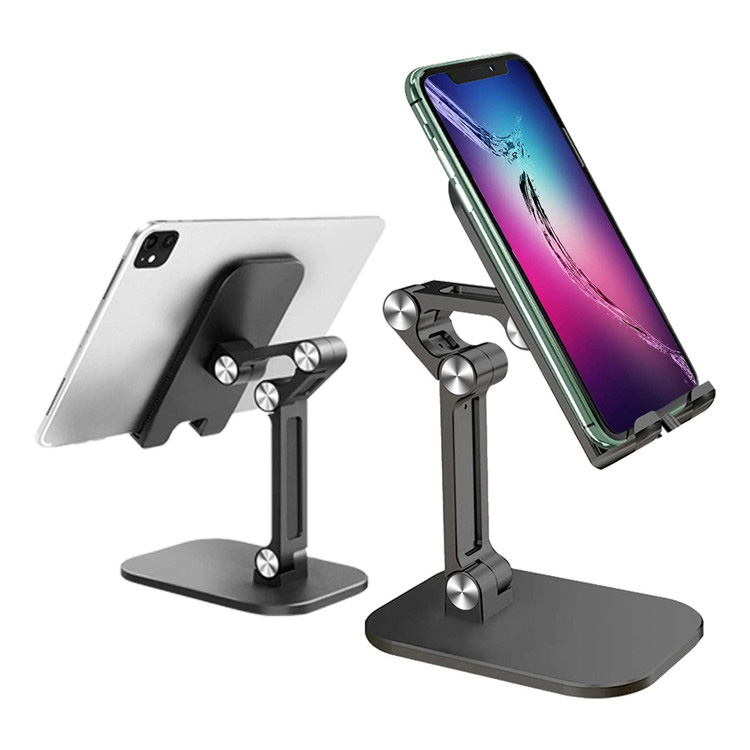
Table of Contents
- Article Outline
- Understanding the Need for an Adjustable Phone Bracket
- Common User Pain Points and Practical Solutions
- Key Structural Features That Matter
- Material Selection and Stability Considerations
- Application Scenarios in Daily Life
- How to Choose the Right Adjustable Phone Bracket
- Feature Comparison Table
- Frequently Asked Questions
- Conclusion and Supplier Insight
Article Outline
- Why adjustable phone brackets are increasingly necessary
- Design challenges faced by users
- Core functional elements and engineering logic
- Usage environments and compatibility
- Selection guidance for long-term performance
Understanding the Need for an Adjustable Phone Bracket
Mobile devices are used for video conferencing, navigation, content creation, online learning, and entertainment. Holding a phone for extended periods often leads to hand fatigue, neck strain, and reduced productivity. A fixed-angle stand may solve part of the problem, but it lacks adaptability across different environments and user preferences.
An adjustable phone bracket introduces multi-angle rotation, height flexibility, and stable support, enabling users to customize viewing positions without compromising device safety. This adaptability directly responds to evolving usage patterns in both professional and personal contexts.
Common User Pain Points and Practical Solutions
- Unstable support: Low-quality brackets may tip over or vibrate during touch interaction.
- Limited angle adjustment: Fixed or semi-adjustable designs restrict comfortable viewing.
- Poor compatibility: Some brackets fail to support different phone sizes or cases.
- Durability issues: Weak hinges and plastic fatigue reduce product lifespan.
A well-designed adjustable phone bracket addresses these challenges through reinforced joints, anti-slip bases, and precise mechanical tolerances that maintain stability during repeated adjustments.
Key Structural Features That Matter
Structural design directly influences usability and reliability. Important features include:
- Multi-axis rotation for portrait and landscape orientation
- Foldable or telescopic arms for height adjustment
- Weighted or clamp-based bases for enhanced balance
- Precision hinge mechanisms to maintain fixed angles under load
These elements ensure that the bracket remains functional across desks, countertops, vehicles, and bedside environments.
Material Selection and Stability Considerations
Material choice determines both tactile quality and structural integrity. Commonly used materials include aluminum alloy, stainless steel, reinforced polymers, and silicone padding. Metal components provide rigidity, while soft contact surfaces protect devices from scratches and slipping.
Advanced manufacturing processes such as CNC machining and surface anodizing improve dimensional accuracy and corrosion resistance, contributing to long-term stability even under frequent use.
Application Scenarios in Daily Life
- Office and remote work: Video calls, document reference, and multitasking
- Home entertainment: Streaming, gaming, and social media browsing
- Travel and navigation: Hands-free GPS usage in vehicles
- Content creation: Live streaming, recording, and photography support
An adjustable phone bracket enhances convenience by adapting to each scenario without requiring additional accessories.
How to Choose the Right Adjustable Phone Bracket
Selecting the right product involves evaluating practical requirements rather than focusing solely on appearance. Key factors include:
- Load-bearing capacity relative to device weight
- Adjustment range and angle locking strength
- Base stability and anti-slip performance
- Compatibility with phone sizes and protective cases
Buyers should also consider manufacturing consistency and quality control standards to ensure uniform performance across batches.
Feature Comparison Table
| Feature | Basic Stand | Adjustable Phone Bracket |
|---|---|---|
| Angle Flexibility | Limited | Multi-angle adjustment |
| Stability | Moderate | Enhanced with reinforced base |
| Compatibility | Single device size | Wide range of devices |
| Durability | Short-term use | Designed for long-term use |
Frequently Asked Questions
Q: Can an adjustable phone bracket support heavier smartphones?
A: High-quality adjustable brackets are engineered with reinforced joints and weighted bases to support larger devices without tilting.
Q: Is frequent adjustment likely to loosen the hinges?
A: Precision-machined hinge systems are designed to maintain tension even after repeated adjustments, provided proper materials are used.
Q: Are adjustable phone brackets suitable for professional environments?
A: Yes, their clean design and ergonomic benefits make them suitable for offices, studios, and conference settings.
Conclusion and Supplier Insight
An adjustable phone bracket is more than a convenience accessory; it is a functional tool that enhances ergonomics, efficiency, and device safety across multiple scenarios. By focusing on structural design, material quality, and real-world usability, users can achieve a more comfortable and productive mobile experience.
Ninghai Bohong Metal Products Co., Ltd specializes in precision metal manufacturing and functional accessory solutions, offering adjustable phone bracket designs that emphasize stability, durability, and adaptability. For tailored solutions, bulk inquiries, or detailed product specifications, contact us to explore how professional manufacturing can support your market needs.