

Are You Choosing the Right Hydraulic Tools for Demanding Industrial Jobs?
2026-02-27
In recent years, I have seen how Yueqing Woma Tools Co., Ltd. has gradually expanded its engineering capabilities while responding to global demand for safer and more efficient Hydraulic Tools. As someone who works closely with contractors, maintenance teams, and procurement managers, I understand how critical tool reliability is on real job sites. When equipment fails under pressure, productivity stops, safety risks increase, and costs escalate quickly. That is exactly why selecting the right Hydraulic Tools is not just about price—it is about performance, durability, and long-term value.
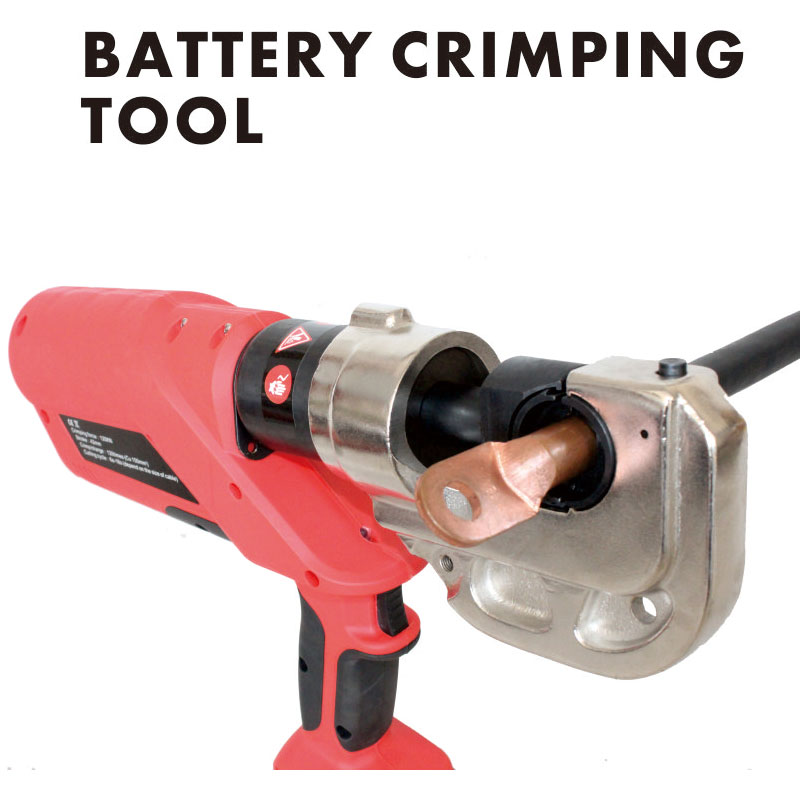
Why Do Professionals Rely on Hydraulic Tools Instead of Conventional Equipment?
I often get asked why industries continue to invest in Hydraulic Tools when electric or manual tools are available. The answer is straightforward: hydraulic systems deliver higher force output with controlled precision. This combination makes them indispensable in heavy-duty environments such as power utilities, construction sites, rail systems, oil and gas facilities, and industrial maintenance plants.
- They generate consistent high torque and cutting force.
- They reduce operator fatigue during repetitive tasks.
- They improve safety with controlled pressure release systems.
- They operate effectively in confined or hazardous environments.
- They offer longer service life compared to many mechanical alternatives.
When I evaluate job site feedback, performance consistency under load is always one of the most appreciated features of quality Hydraulic Tools.
How Can Hydraulic Tools Solve Real On-Site Productivity Challenges?
Many customers approach me after facing downtime due to tool overheating, torque inconsistency, or structural wear. These challenges are common in high-load applications. By upgrading to engineered Hydraulic Tools, they often see immediate improvements in efficiency and safety compliance.
For example, in bolt tensioning or cable cutting tasks, hydraulic systems deliver steady force without sudden jerks. This reduces damage to materials and lowers the risk of workplace injury. On construction projects, faster crimping and cutting cycles translate directly into reduced labor hours.
Here is a simplified comparison I frequently share with buyers evaluating tool upgrades:
| Feature | Standard Mechanical Tools | Hydraulic Tools |
| Force Output | Limited by manual strength or motor size | High-force output with controlled pressure |
| Operational Stability | Can fluctuate under heavy load | Consistent torque and pressure delivery |
| Maintenance Frequency | Frequent mechanical wear | Sealed systems with longer service cycles |
| Operator Fatigue | Higher during repetitive use | Reduced strain due to hydraulic assistance |
| Safety Control | Limited overload protection | Built-in pressure control mechanisms |
This performance difference explains why experienced contractors rarely compromise when selecting Hydraulic Tools for mission-critical operations.
What Should You Look for When Selecting Hydraulic Tools for Your Industry?
From my experience, choosing the right equipment requires more than reviewing specifications. I always recommend evaluating tools from several practical angles:
- Material Quality – High-grade alloy steel components improve strength and wear resistance.
- Seal Integrity – Reliable sealing systems prevent leakage and pressure instability.
- Pressure Compatibility – Tools should match your hydraulic pump output range.
- Ergonomic Design – Balanced weight and grip comfort increase operator safety.
- Service Support – Spare parts availability and responsive technical support reduce downtime.
Manufacturers that invest in precision machining and pressure testing protocols typically deliver more dependable Hydraulic Tools. I have seen firsthand how thorough quality inspections significantly extend product life in demanding environments.
How Do Advanced Hydraulic Tools Improve Safety Compliance?
Workplace safety regulations continue to tighten across North America and Europe. Equipment that reduces accident risk is no longer optional—it is essential. Modern Hydraulic Tools integrate overload valves, pressure control mechanisms, and reinforced housings to protect operators.
In high-voltage cable installations, for instance, hydraulic cutters minimize sparks and heat generation. In heavy bolting applications, controlled torque output prevents structural damage. These safety improvements not only protect workers but also reduce insurance and liability costs.
I have observed that companies investing in premium Hydraulic Tools often report fewer incident-related delays and improved project timelines.
Why Does Long-Term Cost Efficiency Matter More Than Initial Price?
Procurement decisions often focus heavily on upfront cost, but I encourage buyers to evaluate total cost of ownership. Durable Hydraulic Tools reduce replacement frequency, minimize downtime, and lower maintenance expenses over time.
When tools fail during critical operations, the hidden costs include:
- Project delays and contractual penalties
- Emergency replacement purchases
- Increased labor costs due to downtime
- Potential safety incidents
In contrast, investing in well-engineered Hydraulic Tools provides operational stability that supports predictable budgeting and smoother project execution.
Are You Ready to Upgrade Your Hydraulic Tools for Better Performance?
After working with global buyers and field engineers, I firmly believe that choosing reliable Hydraulic Tools is one of the smartest operational decisions a company can make. Whether you operate in electrical installation, construction, industrial maintenance, or energy infrastructure, the right equipment directly impacts productivity and safety.
If you are evaluating new solutions or replacing outdated tools, I would encourage you to explore options that align with your specific pressure requirements and industry standards. Our team understands the challenges faced on demanding job sites, and we are ready to support your upgrade process.
If you would like tailored recommendations or detailed product specifications, please contact us today. Leave your inquiry, share your project requirements, and let us help you find the most reliable Hydraulic Tools solution for your operations.